
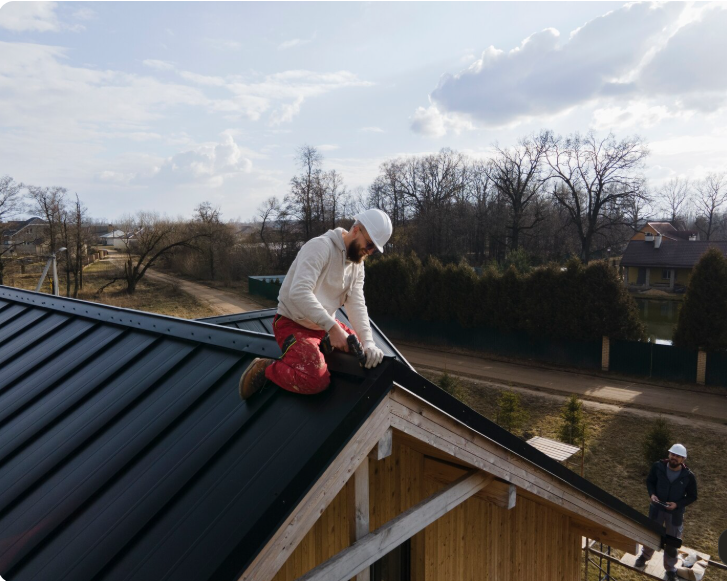
Roofing and drainage systems play an important role in protecting a home from rain, moisture, wind, and other environmental conditions. When shingles become damaged, roof leaks develop, or gutters become clogged, even a small problem can lead to costly repairs. Regular maintenance and timely roof and gutter repair help homeowners protect their property, prevent water damage, and maintain the long-term value of their homes.
A roof provides the first line of defense against the weather, while gutters collect rainwater and direct it away from the roof, walls, foundation, and landscaping. If either system stops working correctly, water can enter unwanted areas and damage ceilings, insulation, exterior walls, and structural components.
Whether you are dealing with a leaking roof, overflowing gutters, loose shingles, or a damaged downspout, understanding common problems can help you make informed maintenance decisions. This guide explains warning signs, repair options, cost factors, maintenance strategies, and how to choose a reliable roofing professional.
Key Takeaways
- Inspect your roof and gutters regularly, particularly before and after heavy rainfall.
- Repair loose shingles, damaged flashing, and leaking gutter joints as soon as possible.
- Clean gutters to prevent blockages caused by leaves, dirt, and other debris.
- Check downspouts to ensure rainwater drains away from the home’s foundation.
- Hire qualified professionals for steep roofs, structural damage, and elevated repairs.
- Compare written estimates, warranties, materials, and contractor experience before hiring.
- Consider preventive maintenance to reduce the risk of expensive water damage.
What Is Roof and Gutter Repair?
Roof and gutter repair involves identifying and fixing damage to roofing materials, flashing, drainage channels, downspouts, and related components. The goal is to restore the system’s ability to keep water outside the home and direct it safely away from the building.
Roof repairs may include replacing broken shingles, repairing small leaks, sealing appropriate roof penetrations, fixing flashing, or addressing damaged underlayment. Gutter repairs can involve sealing leaking joints, securing loose brackets, correcting drainage slopes, replacing damaged sections, and repairing downspouts.
The exact repair depends on the roof design, gutter material, age of the system, severity of the damage, and local weather conditions.
Why Roof and Gutter Systems Work Together
A roof sheds rainwater toward its edges, where gutters collect and channel it through downspouts. If the roof is damaged, water may enter the building before reaching the gutters. If the gutters are blocked or incorrectly installed, water may overflow and run down exterior walls.
Maintaining both systems together provides more complete protection than repairing only the visible problem.
Common Roof Problems That Require Professional Repair
Roofing materials gradually deteriorate due to sunlight, temperature changes, rain, wind, and general aging. Recognizing the early warning signs can help prevent minor defects from becoming major repairs.
1. Roof Leaks and Water Stains
Water stains on ceilings or upper walls may indicate a roof leak. Other signs include peeling paint, damp insulation, mold-like growth, and water dripping during rainfall.
However, a ceiling stain does not always identify the exact location of the leak. Water can travel along roof decking, framing, or other surfaces before becoming visible indoors.
A roofing professional can inspect the roof surface, flashing, valleys, and penetrations to locate the source and recommend the appropriate repair.
2. Missing, Loose, or Cracked Shingles
Shingles protect the roof from direct exposure to weather. Strong winds, aging, improper installation, and storm damage can cause them to crack, curl, loosen, or disappear.
Damaged shingles can expose underlying materials to moisture. Prompt replacement of affected sections may prevent further deterioration.
3. Damaged Roof Flashing
Flashing is commonly installed around chimneys, vents, skylights, roof valleys, and wall intersections. It helps prevent water from entering vulnerable joints.
Loose, corroded, or poorly sealed flashing can cause persistent leaks. Depending on the condition, a professional may need to reseal, repair, or replace the flashing.
4. Sagging Roof Areas
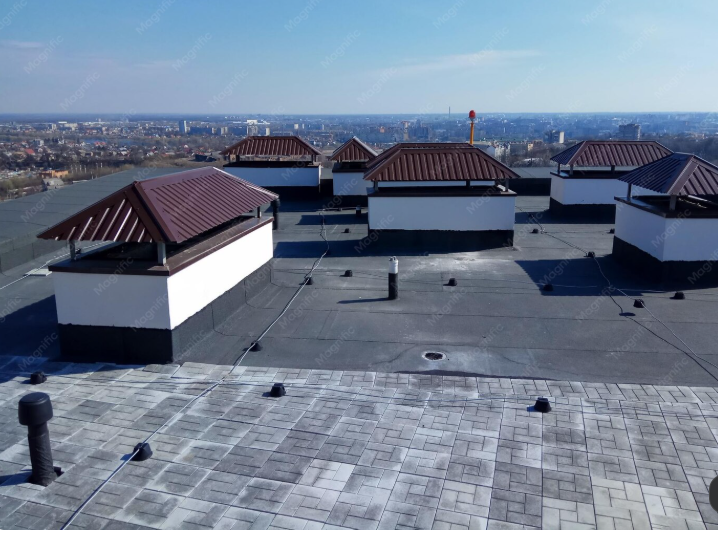
A visibly sagging roof may indicate problems involving the roof deck, framing, prolonged moisture exposure, or structural loads. This issue should not be treated as a simple cosmetic defect.
Contact a qualified roofing or structural professional for an assessment. If the roof appears unstable or is actively failing, keep people away from the affected area until it has been evaluated.
5. Damaged Roof Ventilation and Underlayment
Poor ventilation can contribute to moisture accumulation and heat-related problems in some roofing systems. Damaged underlayment may also allow water to reach the roof deck.
A professional inspection can determine whether the problem involves ventilation, insulation, roof covering, underlayment, or several components.
Common Gutter Problems and Their Solutions
Gutters are often overlooked until rainwater begins spilling over the edges. Regular cleaning and timely repairs help maintain effective drainage.
1. Clogged Gutters
Leaves, twigs, dirt, roof granules, and other debris can collect inside gutters. Blockages restrict water flow and may cause overflowing during rainfall.
Solution: Remove accumulated debris safely, flush accessible drainage paths where appropriate, and check that downspouts are clear. Install suitable gutter guards if they match the property’s conditions, while remembering that guards still require maintenance.
2. Leaking Gutter Joints
Sectional gutters often contain joints that can develop leaks as sealants age or connections loosen. Water may drip from seams or run down the fascia.
Solution: Clean and dry the affected area, then repair or replace the joint using materials compatible with the gutter system. Severely corroded or damaged sections may require replacement rather than resealing.
3. Loose or Sagging Gutters
Gutters can pull away from fascia boards when brackets fail, fasteners loosen, or debris and standing water create excessive loads.
Solution: A professional should inspect the mounting points, fascia condition, and bracket spacing before securing the gutter. If the fascia is rotten, repairing the wood may be necessary before reinstalling the gutter.
4. Incorrect Gutter Slope
Gutters need an appropriate slope toward their outlets. If they are level, sagging, or sloped incorrectly, water may remain trapped instead of draining efficiently.
Solution: Adjust the gutter alignment and supports, or replace sections that have permanently deformed.
5. Damaged or Poorly Positioned Downspouts
Downspouts carry collected water away from the roofline. Crushed pipes, disconnected joints, and blocked outlets can interfere with drainage.
Solution: Repair damaged sections, reconnect loose fittings, clear obstructions, and direct discharge away from the building according to local drainage requirements.
Roof and Gutter Repair Services: What Do Professionals Do?
A reliable contractor should evaluate the entire water-management system rather than automatically recommending a complete replacement.
| Service | Typical work | Main benefit |
|---|---|---|
| Roof leak repair | Locate entry points and repair damaged materials | Reduces interior water damage |
| Shingle replacement | Replace missing, cracked, or loose shingles | Restores roof protection |
| Flashing repair | Repair or replace vulnerable metal joints | Helps prevent leaks around openings |
| Gutter cleaning | Remove debris and check water flow | Reduces blockages and overflow |
| Gutter leak repair | Repair leaking seams and connections | Improves water collection |
| Gutter realignment | Adjust slope and secure brackets | Supports efficient drainage |
| Downspout repair | Clear, reconnect, or replace damaged pipes | Directs water away from the home |
| Roof and gutter inspection | Check visible defects and drainage performance | Helps identify problems early |
The appropriate service depends on the condition of the existing system. A contractor should explain which repairs are necessary and which improvements are optional.
How Much Does Roof and Gutter Repair Cost?
The cost of repairs varies according to the type of damage, accessibility, materials, labor, roof height, local labor rates, and the amount of work required.
A small gutter joint repair may cost considerably less than repairing a persistent roof leak or replacing damaged roof decking. Costs also increase when contractors discover hidden water damage after removing roofing materials.
Factors That Affect Repair Costs

Type and extent of damage: Replacing a few shingles is generally less extensive than repairing multiple roof sections or structural components.
Roof height and accessibility: Steep, high, or difficult-to-access roofs may require additional safety equipment and labor.
Materials: Metal roofing, tile, slate, asphalt shingles, aluminum gutters, and other systems have different repair requirements.
Water damage: Wet insulation, damaged fascia, deteriorated roof decking, and interior repairs may add to the overall project.
Emergency service: Urgent work outside normal business hours may carry additional charges.
Local requirements: Permit requirements, building codes, disposal fees, and local labor rates can affect the final price.
Estimated Cost Planning Table
The following table provides a general budgeting framework rather than fixed prices. Actual estimates vary significantly by location and property.
| Repair type | Relative cost | What can affect the price |
|---|---|---|
| Minor gutter leak repair | Low | Joint condition and accessibility |
| Gutter cleaning | Low to moderate | Debris volume, height, and gutter length |
| Downspout repair | Low to moderate | Pipe material and extent of damage |
| Small shingle repair | Low to moderate | Shingle availability and roof access |
| Flashing repair | Moderate | Location, corrosion, and surrounding materials |
| Larger roof leak repair | Moderate to high | Source of leak and hidden damage |
| Partial gutter replacement | Moderate to high | Material, length, and mounting condition |
| Structural roof repair | High | Extent of deterioration and engineering needs |
For an accurate estimate, request an on-site inspection and a written breakdown of labor, materials, repair scope, and warranty coverage.
DIY Roof and Gutter Maintenance vs. Professional Repair
Some routine maintenance tasks can be handled by homeowners, but roof work presents significant fall and injury risks.
Tasks Homeowners May Be Able to Handle
- Check ceilings and walls for new water stains.
- Inspect visible roof edges from the ground.
- Look for overflowing gutters during rainfall from a safe location.
- Remove small amounts of accessible debris without climbing or reaching dangerously.
- Keep records of leaks, storm damage, and previous repairs.
- Check that ground-level drainage outlets are not visibly blocked.
When to Hire a Professional
Hire an experienced professional when the work involves climbing onto a roof, accessing a high gutter, repairing flashing, handling electrical hazards, addressing structural damage, or investigating a persistent leak.
Do not walk on a wet, steep, fragile, or damaged roof. Avoid ladder work in strong winds or during rainfall. Never lean beyond a ladder’s safe working position.
Professional repairs can also help prevent incorrect fixes. Applying sealant over the wrong area may temporarily hide a leak without correcting its source.
How to Choose the Best Roof and Gutter Repair Contractor
Selecting the right contractor is important because poor workmanship can lead to recurring leaks, drainage problems, and unnecessary expenses.
Check Experience and Qualifications
Look for a contractor who regularly works with your roofing and gutter materials. Verify applicable licensing, registration, insurance, and local requirements. Ask whether the company has experience with similar homes and repair problems.
Request a Detailed Written Estimate
A professional estimate should describe the damaged areas, repair methods, materials, labor, expected timeline, and payment terms. It should also explain whether hidden damage may require additional approval.
Avoid relying only on the lowest quotation. A cheaper repair may exclude important work or use unsuitable materials.
Ask About Warranties
Clarify whether the contractor provides a workmanship warranty and whether the materials have a separate manufacturer’s warranty. Ask what is covered, how long the coverage lasts, and what exclusions apply.
Review Communication and Safety Practices
Reliable contractors explain their findings clearly, answer questions, and follow appropriate safety procedures. They should not pressure you into signing immediately or promise that a roof is completely problem-free without an adequate inspection.
Preventive Maintenance Tips for Longer Roof and Gutter Life
Prevention is usually easier than dealing with extensive water damage after a storm.
- Inspect seasonally: Check visible roof edges, gutters, downspouts, and interior ceilings at regular intervals.
- Clean gutters when needed: Homes near trees may require more frequent cleaning than properties with little surrounding vegetation.
- Examine flashing and roof penetrations: These areas deserve attention because they interrupt the roof’s main water-shedding surface.
- Trim overhanging branches safely: This can reduce falling debris and the risk of branches damaging roofing materials.
- Monitor drainage after rainfall: Watch for overflowing gutters, standing water, and discharge collecting near the foundation.
- Address minor problems early: A small leak or loose bracket can become more expensive if ignored.
- Document storm damage: Take photographs from safe locations and keep repair records for future maintenance or insurance discussions.
Benefits of Timely Roof and Gutter Repair
Protects the Home’s Structure

Properly functioning roofing and drainage systems reduce unwanted water exposure to roof decking, walls, fascia, and foundations.
Helps Prevent Interior Damage
Fixing leaks promptly can reduce the risk of damaged ceilings, insulation, paint, flooring, and personal belongings.
Supports Better Drainage
Clean, correctly aligned gutters help move rainwater toward designated discharge points rather than allowing it to cascade down walls.
Extends the Useful Life of Existing Materials
Replacing damaged components and correcting drainage issues can help preserve the remaining service life of a roof or gutter system.
Supports Property Value
A maintained roof and drainage system can reassure prospective buyers that essential exterior components have received attention. Repair records and professional inspection reports may also help explain the property’s maintenance history.
Frequently Asked Questions
1. How often should I inspect my roof and gutters?
A practical approach is to inspect visible areas at least twice a year and after significant storms. Properties surrounded by trees or exposed to severe weather may need more frequent checks. A professional inspection is advisable when you notice leaks, loose materials, or other warning signs.
2. Can a clogged gutter cause roof leaks?
Yes, a clogged gutter can contribute to water problems around the roof edge and fascia. In certain roof designs and weather conditions, trapped or overflowing water may worsen existing vulnerabilities. The exact cause should be checked rather than assuming that every roof leak comes from a gutter blockage.
3. Should I repair or replace my gutters?
Repair may be suitable when the damage is limited to a joint, bracket, or small section. Replacement may make more sense when gutters are extensively corroded, repeatedly leaking, badly deformed, or incorrectly sized for the drainage needs of the property. A professional assessment can help compare the options.
4. What are the signs that my roof needs immediate attention?
Active water entering the home, large areas of missing roofing material, significant sagging, and visible structural deterioration require prompt attention. Keep away from unstable areas and contact a qualified professional. If there is an immediate risk of collapse, evacuate the affected area and contact emergency services as appropriate.
5. How can I find a reliable roof and gutter repair service?
Look for experienced contractors with appropriate insurance, required local qualifications, clear written estimates, references or reviews, and defined warranty terms. Compare the proposed repair methods and materials, not just the total price. Choose a professional who explains the source of the problem and provides a practical solution.
One Comment
[…] Read more:Roof and Gutter Repair: Essential Home Maintenance Tips, Common Problems, Costs, and Professional So… […]