
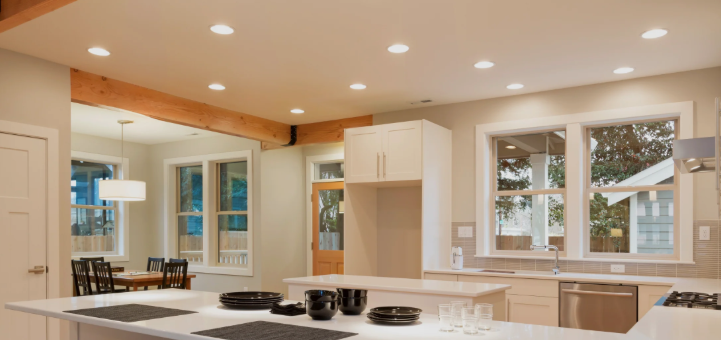
Good lighting can change how a room looks, feels, and functions. Recessed fixtures are popular because they provide illumination without taking up visual space on ceilings. For homeowners updating existing lighting, led retrofit recessed can lights can offer a practical way to replace older recessed bulbs or fixtures while using modern LED technology. These lights can work in living rooms, kitchens, bedrooms, hallways, offices, and other areas where a streamlined ceiling appearance is preferred. Before installation, it is important to consider the existing housing, fixture size, brightness, color temperature, dimming compatibility, and ceiling conditions. Understanding these details can help create consistent lighting throughout the home. Understanding Retrofit Recessed Lighting Retrofit recessed lighting is designed to update an existing recessed light housing rather than requiring an entirely new ceiling opening in many installations. This approach can be useful during remodeling projects because the existing housing may already provide the necessary structure. The new lighting component can update the appearance and performance of the fixture while reducing the amount of ceiling work required. Why LED Lighting Is Popular LED technology has become common in residential lighting because it can provide strong illumination while using relatively little electricity. LED fixtures are also available in various brightness levels and color temperatures. Their long operating life can reduce the frequency of bulb replacement. This can be particularly convenient for ceiling fixtures installed in tall rooms or difficult-to-reach areas. Checking Existing Recessed Housings Before selecting a retrofit product, homeowners should identify the size and type of the existing recessed housing. Common dimensions include several standard sizes, but compatibility varies between fixtures. The housing should be checked for its shape, mounting method, electrical connections, and other specifications. Choosing a fixture designed for the existing housing can simplify installation. Selecting the Right Light Size Recessed lighting is commonly available in different diameters. The appropriate size depends on the existing opening and the desired visual effect. Smaller fixtures can provide a more discreet appearance, while larger fixtures may distribute light across a broader area. The spacing between fixtures should also be considered when planning multiple lights. Choosing the Brightness Brightness is usually measured in lumens rather than simply wattage. The appropriate lumen output depends on the room’s size, ceiling height, wall finishes, and intended use. A kitchen workspace may require stronger illumination than a bedroom, while hallways can often use lower levels. Using the same brightness throughout the home is not always necessary. Selecting Color Temperature Color temperature affects the atmosphere created by the lighting. Warm white light can provide a comfortable residential feel, while neutral white can appear brighter and more balanced in work areas. Cooler light may be suitable for certain task-oriented spaces, but it can appear harsh in rooms intended for relaxation. Selecting a consistent temperature across connected areas can improve the overall visual experience. Considering Dimmable Fixtures Dimming provides flexibility by allowing homeowners to adjust light levels according to the time of day and activity. If dimming is important, both the retrofit fixture and the wall dimmer should be compatible. Not every LED product works correctly with every dimming system, so compatibility information should be checked before installation. Improving Kitchen Lighting Recessed lighting is commonly used in kitchens because it can provide general illumination without interfering with cabinets or hanging fixtures. Lights should be positioned to illuminate countertops and work areas rather than simply being arranged in the center of the ceiling. Combining recessed fixtures with under-cabinet lighting can further improve task visibility. Using Recessed Lighting in Living Rooms Living rooms often benefit from flexible lighting arrangements. Recessed fixtures can provide general illumination while table lamps, floor lamps, and decorative fixtures create additional layers. Spacing should be planned according to furniture placement and the room’s main activity areas. Excessive fixtures can make the ceiling look crowded and produce unnecessary brightness. Planning Bedroom Lighting Bedrooms generally benefit from softer and more adjustable lighting. Dimmable recessed fixtures can allow brighter illumination when needed and lower light levels during relaxing periods. Fixtures should be positioned carefully so that they do not shine directly into the eyes of someone lying in bed. Bedside lighting can provide a more comfortable alternative for reading. Using Lighting in Hallways Hallways can use recessed lights to create consistent illumination along circulation paths. The number of fixtures depends on ceiling height, hallway length, fixture brightness, and desired spacing. A continuous pattern can create a balanced appearance, while fewer strategically placed fixtures can provide a more subtle effect. Considering Ceiling Height Ceiling height influences both fixture placement and light distribution. Higher ceilings may require stronger illumination or fixtures with appropriate beam angles to deliver light effectively. Lower ceilings may benefit from smaller, low-profile fixtures that preserve visual openness. The fixture should complement the scale of the room. Understanding Beam Angles Beam angle describes how widely light spreads from a fixture. A narrow beam can concentrate light in a specific location, while a wider beam can illuminate a larger area. The ideal beam angle depends on the purpose of the fixture. Task areas may benefit from more focused illumination, while general room lighting often works better with broader distribution. Creating Layers of Light Recessed lighting does not have to perform every lighting function in a room. A layered design can combine general, task, and accent lighting. Pendant fixtures, wall sconces, cabinet lights, lamps, and recessed fixtures can each serve different purposes. This approach allows homeowners to adjust the atmosphere and brightness more easily. Considering Energy Use Replacing older lighting with LED technology can reduce electricity consumption depending on the original fixture and usage pattern. The actual energy savings depend on factors such as wattage, operating hours, number of fixtures, and local electricity rates. Choosing efficient products can contribute to lower long-term operating costs. Checking Insulation Compatibility Ceiling insulation can affect recessed lighting installation. Some housings have specific requirements regarding insulation contact and clearance. The retrofit fixture should be appropriate for the existing housing and ceiling conditions. Product installation instructions should always be reviewed before fitting
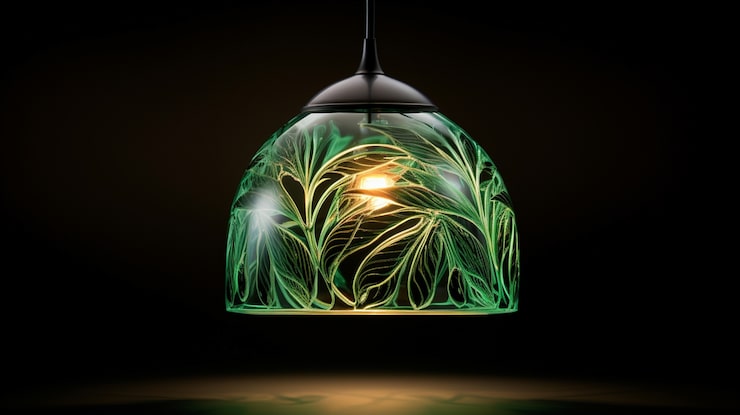
Green Glass Pendant Lights: Stylish Ideas for Elegant Interior Lighting
Green glass pendant lights can add color, character, and a refined decorative touch to an interior while also providing practical illumination. Unlike ordinary ceiling fixtures, pendant lights hang from the ceiling and can become an important part of a room’s visual design. Green glass adds another layer of interest by filtering and reflecting light through a distinctive colored surface. Depending on the shape, shade, and finish, these fixtures can complement modern kitchens, traditional dining rooms, cozy bedrooms, entryways, and contemporary living spaces. They can also be used individually or arranged in groups to create different lighting effects. What Are Green Glass Pendant Lights? Green glass pendant lights are ceiling-mounted fixtures featuring a glass shade with a green tint or finish. The shade may be transparent, translucent, frosted, textured, or colored throughout the glass. The fixture typically hangs from a cord, chain, rod, or metal suspension system. Designs range from small decorative pendants to larger statement fixtures suitable for prominent areas. Green glass can create different effects depending on its intensity. Pale green may provide a subtle decorative accent, while deep emerald or forest green can become a strong focal point. Why Choose Green Glass Lighting? Lighting is not only functional but can also influence the atmosphere and character of a room. Green glass introduces color without requiring paint, furniture, or large decorative changes. The material can also interact with natural and artificial light. During the day, sunlight can highlight the glass surface, while an illuminated bulb can create a warm glow through translucent shades. Green is often associated with nature, freshness, and calmness, making it an appealing choice for interiors that incorporate plants, wood, stone, and other natural materials. Choosing the Right Green Shade The shade of green should complement the room’s existing colors. Soft sage and pale green can create a subtle appearance suitable for minimalist or Scandinavian-inspired interiors. Olive green can provide a warmer, earthy effect, while emerald green offers a richer and more luxurious appearance. Dark forest green can create dramatic contrast against light walls and ceilings. Consider the wall color, cabinetry, furniture, flooring, and other lighting fixtures before choosing the glass shade. A green tone that connects with existing colors will generally feel more intentional. Popular Glass Styles The type of glass can significantly affect the appearance of a pendant light. Clear green glass allows the bulb and interior components to remain visible and can create a light, airy appearance. Frosted glass diffuses the light and produces a softer effect. Ribbed or fluted glass adds texture and can create attractive patterns when illuminated. Handcrafted or irregular glass may provide a more artistic appearance, while smooth glass tends to suit contemporary interiors. Choose the glass style according to both the desired appearance and the type of lighting needed. Green Glass Pendant Lights in the Kitchen Kitchens are among the most popular areas for pendant lighting. Fixtures can be installed above islands, breakfast bars, counters, or dining areas. Green glass can work especially well with white, cream, wood, gray, or dark cabinetry. Several matching pendants can create symmetry above a long kitchen island. For a more relaxed appearance, consider combining green glass with natural wood and warm metal finishes. Make sure the fixture is positioned at a suitable height so it provides useful illumination without interfering with cooking or conversation. Using Pendant Lights Over a Dining Table A dining table provides a natural location for a decorative pendant because the fixture can help define the dining area. A larger pendant can act as a centerpiece, while multiple smaller fixtures can create a more balanced arrangement over a long table. Green glass can complement wooden dining tables particularly well because the combination of natural wood and green creates an organic visual relationship. Choose a bulb color that supports the intended atmosphere. Warmer light can create a comfortable dining environment, while brighter neutral light may be more practical for multipurpose spaces. Green Glass Pendants in the Bedroom A small green glass pendant can provide a decorative alternative to traditional bedside lamps. When installed on either side of a bed, matching pendants can create symmetry. Pale green glass can complement soft neutral bedding, while darker green shades can provide contrast against white or cream walls. Pendant lighting can also free up space on bedside tables, making it useful in smaller bedrooms. Because bedrooms generally benefit from comfortable lighting, consider bulbs that provide a softer and less intense illumination. Using Them in Entryways An entryway pendant can make a strong first impression because it is often one of the first decorative fixtures visitors see. A green glass shade can add personality to an otherwise simple entrance. Larger entryways may accommodate a more substantial pendant, while narrow spaces may benefit from a smaller design. Pair the fixture with a console table, mirror, artwork, or natural materials that repeat or complement the green tone. Matching Green Glass With Metal Finishes The metal finish surrounding the glass can significantly influence the overall style of a pendant light. Brass and antique brass can create a warm, traditional, or vintage-inspired appearance. Black metal can provide stronger contrast and work well in modern interiors. Chrome and polished finishes can create a cleaner contemporary effect, while bronze can complement earthy green shades. When selecting a pendant, consider other metal finishes already used in the room so the lighting fixture feels integrated. Single Pendant or Multiple Fixtures? One pendant can be enough when the fixture is intended to act as a decorative focal point. This approach works particularly well over small tables, reading areas, or compact kitchen counters. Multiple pendants can provide greater visual impact and more even illumination. They are particularly useful above kitchen islands and long dining tables. When using multiple fixtures, maintain consistent spacing and consider the scale of the furniture below them. A group of small green glass pendants can create a different effect from one large statement fixture. Choosing the Right Size Scale is essential when selecting pendant lighting. A fixture that is too