
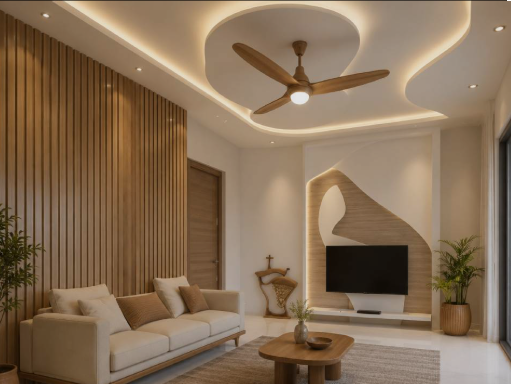
Ceilings can have a major influence on the character and atmosphere of an interior, yet they are often overlooked during room planning. A well-designed ceiling can add visual depth, highlight architectural features, improve lighting, and create a stronger connection between different elements of a room. A decorative ceiling can range from simple layered details to more elaborate patterns, depending on the size and style of the space. Materials, colors, lighting, ceiling height, and furniture placement all contribute to the final appearance. With thoughtful planning, the ceiling can become an attractive part of the room without making the design feel excessive or visually crowded. Understanding Decorative Ceiling Design A decorative ceiling is more than a basic overhead surface. It can include architectural details such as recessed sections, beams, panels, molding, layered surfaces, or integrated lighting. The design should complement the room rather than compete with furniture, flooring, wall finishes, and other features. Simple details can be especially effective in smaller rooms where excessive decoration may make the space feel confined. Choosing a Ceiling Style The appropriate ceiling style depends on the architecture and purpose of the room. Contemporary interiors may benefit from clean geometric forms, while traditional spaces can accommodate molding, panels, or ornamental details. The ceiling should also relate to the home’s overall design language. Using a consistent approach throughout connected spaces can create a more cohesive appearance. Using Tray Ceilings Tray ceilings create a recessed center section surrounded by a raised border. This design can add depth without requiring extremely complicated construction. Lighting can be installed along the edges to emphasize the change in levels. The central section can also use a contrasting paint color or subtle texture to create additional visual interest. Considering Coffered Ceilings Coffered ceilings use recessed panels arranged in a grid or geometric pattern. They can provide a strong architectural presence in dining rooms, studies, living rooms, and larger bedrooms. The size of the individual panels should correspond to the dimensions of the room. Oversized patterns can appear unbalanced in smaller spaces, while very small panels may create unnecessary visual complexity. Adding Ceiling Beams Exposed or decorative beams can introduce warmth and structure to a room. Wood-look beams can suit rustic, farmhouse, transitional, or contemporary interiors depending on their shape and finish. Beams should be positioned carefully so that they do not make the ceiling feel lower than it actually is. Their dimensions should also work with the room’s proportions. Using Ceiling Panels Decorative panels can create texture and rhythm across a ceiling. They can be made from different materials, including wood, gypsum-based products, or other interior finishing materials. Panels can cover an entire ceiling or be limited to a central feature. A restrained pattern can provide visual interest without overwhelming the room. Integrating Lighting Lighting is one of the most important parts of ceiling design. Recessed fixtures, pendant lights, concealed LED strips, chandeliers, and surface-mounted fixtures can all be incorporated into the overall layout. Rather than adding lights after the ceiling design is complete, fixture locations should be planned at the same time. This helps maintain symmetry and prevents awkward placement. Creating Layered Lighting A ceiling can support several lighting levels. General illumination can provide overall brightness, while accent lighting can highlight artwork, architectural details, or specific areas. Indirect lighting around recessed sections can create a softer glow. Combining several sources gives homeowners greater control over the atmosphere of the room. Choosing the Right Ceiling Color White is a common ceiling color because it reflects light and can make a room feel open. However, other shades can create distinctive effects. Soft neutral colors can provide warmth, while darker tones can add drama in rooms with sufficient height and lighting. The selected color should work with the walls, flooring, furniture, and natural light. Considering Ceiling Height Ceiling height strongly influences which decorative features will work well. Taller ceilings can accommodate beams, layered structures, and larger decorative elements. Rooms with lower ceilings generally benefit from simpler designs. Excessively deep recesses or heavy beams can make such spaces feel smaller. Using Molding and Trim Crown molding and other trim details can provide a finished transition between walls and ceilings. Simple profiles can suit modern interiors, while more elaborate molding can complement traditional architecture. The width and profile should correspond to the scale of the room. Very large trim can appear disproportionate in compact spaces. Adding Texture Texture can make a ceiling visually interesting without requiring complex architectural changes. Subtle plaster effects, wood finishes, patterned panels, or textured paint can all create different impressions. The texture should be selected according to the room’s lighting because shadows can make surface irregularities more noticeable. Designing a Living Room Ceiling The living room is often an ideal place for a ceiling feature because it is one of the most frequently used shared spaces. A tray ceiling, central panel, or recessed lighting arrangement can define the seating area. The ceiling design should coordinate with the main furniture arrangement. A central light fixture can be positioned above a coffee table or seating zone to create visual balance. Planning a Bedroom Ceiling Bedrooms usually benefit from softer and less visually demanding ceiling designs. A recessed center with concealed lighting can create a calm atmosphere. Decorative details should not interfere with ceiling fans, pendant lights, air-conditioning equipment, or other necessary fixtures. These elements should be considered during the initial design stage. Designing a Dining Room Ceiling A dining room can accommodate a stronger ceiling feature, particularly above the dining table. A central recessed panel or decorative border can visually define the eating area. A pendant light or chandelier can become the central feature, with the ceiling design supporting rather than competing with it. Considering Kitchen Ceilings Kitchen ceilings need to balance appearance with practical requirements. Lighting, ventilation, exhaust systems, cabinets, and other services may influence the available space. A simple recessed border or carefully positioned lighting can add character without interfering with kitchen functionality. Using Wood Elements Wood can add warmth and natural texture
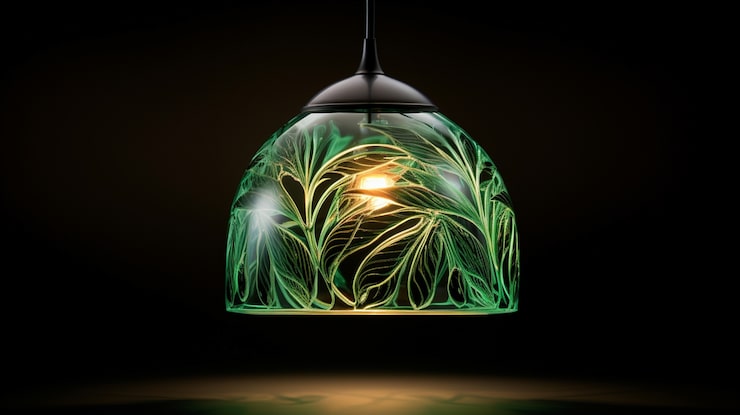
Green Glass Pendant Lights: Stylish Ideas for Elegant Interior Lighting
Green glass pendant lights can add color, character, and a refined decorative touch to an interior while also providing practical illumination. Unlike ordinary ceiling fixtures, pendant lights hang from the ceiling and can become an important part of a room’s visual design. Green glass adds another layer of interest by filtering and reflecting light through a distinctive colored surface. Depending on the shape, shade, and finish, these fixtures can complement modern kitchens, traditional dining rooms, cozy bedrooms, entryways, and contemporary living spaces. They can also be used individually or arranged in groups to create different lighting effects. What Are Green Glass Pendant Lights? Green glass pendant lights are ceiling-mounted fixtures featuring a glass shade with a green tint or finish. The shade may be transparent, translucent, frosted, textured, or colored throughout the glass. The fixture typically hangs from a cord, chain, rod, or metal suspension system. Designs range from small decorative pendants to larger statement fixtures suitable for prominent areas. Green glass can create different effects depending on its intensity. Pale green may provide a subtle decorative accent, while deep emerald or forest green can become a strong focal point. Why Choose Green Glass Lighting? Lighting is not only functional but can also influence the atmosphere and character of a room. Green glass introduces color without requiring paint, furniture, or large decorative changes. The material can also interact with natural and artificial light. During the day, sunlight can highlight the glass surface, while an illuminated bulb can create a warm glow through translucent shades. Green is often associated with nature, freshness, and calmness, making it an appealing choice for interiors that incorporate plants, wood, stone, and other natural materials. Choosing the Right Green Shade The shade of green should complement the room’s existing colors. Soft sage and pale green can create a subtle appearance suitable for minimalist or Scandinavian-inspired interiors. Olive green can provide a warmer, earthy effect, while emerald green offers a richer and more luxurious appearance. Dark forest green can create dramatic contrast against light walls and ceilings. Consider the wall color, cabinetry, furniture, flooring, and other lighting fixtures before choosing the glass shade. A green tone that connects with existing colors will generally feel more intentional. Popular Glass Styles The type of glass can significantly affect the appearance of a pendant light. Clear green glass allows the bulb and interior components to remain visible and can create a light, airy appearance. Frosted glass diffuses the light and produces a softer effect. Ribbed or fluted glass adds texture and can create attractive patterns when illuminated. Handcrafted or irregular glass may provide a more artistic appearance, while smooth glass tends to suit contemporary interiors. Choose the glass style according to both the desired appearance and the type of lighting needed. Green Glass Pendant Lights in the Kitchen Kitchens are among the most popular areas for pendant lighting. Fixtures can be installed above islands, breakfast bars, counters, or dining areas. Green glass can work especially well with white, cream, wood, gray, or dark cabinetry. Several matching pendants can create symmetry above a long kitchen island. For a more relaxed appearance, consider combining green glass with natural wood and warm metal finishes. Make sure the fixture is positioned at a suitable height so it provides useful illumination without interfering with cooking or conversation. Using Pendant Lights Over a Dining Table A dining table provides a natural location for a decorative pendant because the fixture can help define the dining area. A larger pendant can act as a centerpiece, while multiple smaller fixtures can create a more balanced arrangement over a long table. Green glass can complement wooden dining tables particularly well because the combination of natural wood and green creates an organic visual relationship. Choose a bulb color that supports the intended atmosphere. Warmer light can create a comfortable dining environment, while brighter neutral light may be more practical for multipurpose spaces. Green Glass Pendants in the Bedroom A small green glass pendant can provide a decorative alternative to traditional bedside lamps. When installed on either side of a bed, matching pendants can create symmetry. Pale green glass can complement soft neutral bedding, while darker green shades can provide contrast against white or cream walls. Pendant lighting can also free up space on bedside tables, making it useful in smaller bedrooms. Because bedrooms generally benefit from comfortable lighting, consider bulbs that provide a softer and less intense illumination. Using Them in Entryways An entryway pendant can make a strong first impression because it is often one of the first decorative fixtures visitors see. A green glass shade can add personality to an otherwise simple entrance. Larger entryways may accommodate a more substantial pendant, while narrow spaces may benefit from a smaller design. Pair the fixture with a console table, mirror, artwork, or natural materials that repeat or complement the green tone. Matching Green Glass With Metal Finishes The metal finish surrounding the glass can significantly influence the overall style of a pendant light. Brass and antique brass can create a warm, traditional, or vintage-inspired appearance. Black metal can provide stronger contrast and work well in modern interiors. Chrome and polished finishes can create a cleaner contemporary effect, while bronze can complement earthy green shades. When selecting a pendant, consider other metal finishes already used in the room so the lighting fixture feels integrated. Single Pendant or Multiple Fixtures? One pendant can be enough when the fixture is intended to act as a decorative focal point. This approach works particularly well over small tables, reading areas, or compact kitchen counters. Multiple pendants can provide greater visual impact and more even illumination. They are particularly useful above kitchen islands and long dining tables. When using multiple fixtures, maintain consistent spacing and consider the scale of the furniture below them. A group of small green glass pendants can create a different effect from one large statement fixture. Choosing the Right Size Scale is essential when selecting pendant lighting. A fixture that is too
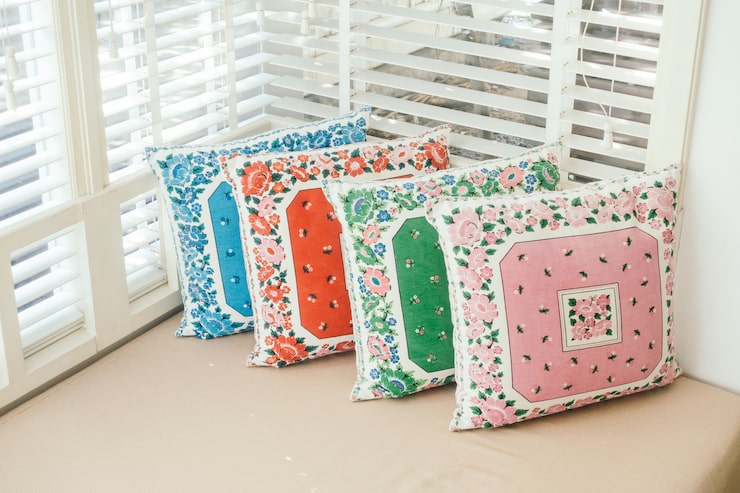
Floral Pillow Covers: Stylish Ideas for a Fresh and Inviting Home
Floral pillow covers are an easy way to introduce color, pattern, and natural character into a home without making major changes to furniture or wall decor. Flowers and botanical designs can create a soft, welcoming atmosphere while giving sofas, beds, accent chairs, and benches a refreshed appearance. Available in countless colors, fabrics, sizes, and patterns, floral covers can suit everything from traditional and farmhouse interiors to modern, cottage, bohemian, and contemporary spaces. Changing pillow covers is also a practical decorating solution because it allows homeowners to update a room seasonally without replacing the entire pillow collection. What Are Floral Pillow Covers? Floral pillow covers are removable decorative covers featuring flower-inspired patterns, botanical illustrations, leaves, vines, or other nature-based designs. They are generally designed to fit over existing cushion inserts, making them convenient for changing the appearance of furniture. Some designs feature large, dramatic flowers that act as focal points, while others use small repeated prints for a more subtle effect. Botanical patterns may also combine flowers with foliage to create a natural and layered appearance. Because the cover can usually be removed from the insert, it is easier to store, clean, and replace than a complete decorative pillow. Why Choose Floral Designs? Floral patterns have a timeless quality that allows them to work across many decorating styles. They can introduce warmth and softness into spaces dominated by plain furniture and neutral colors. Flowers can also bring visual movement into a room. A carefully selected floral pattern can connect different colors already present in curtains, rugs, artwork, or upholstery. Another advantage is variety. Floral designs range from delicate and understated to bold and colorful, making it possible to choose an option that matches almost any interior. Choosing the Right Floral Pattern The size of the floral pattern can significantly affect the appearance of a room. Large flowers tend to create a stronger visual statement and can work well as accent pieces. Small floral prints generally provide a softer and more traditional appearance. They can be particularly effective when several pillows need to be coordinated without creating too much contrast. Abstract floral patterns offer a modern interpretation, while realistic botanical illustrations can create a more natural or classic atmosphere. Consider the size of the furniture and the amount of existing pattern in the room before making a selection. Selecting the Right Colors Color is one of the most important considerations when choosing a floral pillow cover. Look around the room and identify existing colors in the furniture, walls, rugs, curtains, and accessories. A floral cover does not need to match everything exactly. Instead, it can repeat one or two existing shades to create a visual connection. Soft pastels can create a calm and romantic atmosphere, while deep greens, burgundy, navy, or mustard can create a richer appearance. Neutral floral designs in cream, beige, gray, and muted tones can add pattern without overwhelming a minimalist room. Choosing the Right Fabric The fabric can change both the appearance and practicality of a floral pillow cover. Cotton is a popular option for casual interiors because it is comfortable and generally easy to maintain. Linen offers a relaxed natural texture that works particularly well with farmhouse, coastal, and contemporary decorating. Velvet can make floral patterns look richer and more luxurious, while woven fabrics can provide additional texture. For frequently used pillows, choose a durable material that can withstand regular handling and cleaning. Floral Pillow Covers for the Living Room The living room is an ideal location for floral cushions because they can quickly change the character of a sofa or accent chair. A neutral sofa in beige, gray, cream, or white can serve as a background for colorful floral patterns. For a stronger effect, use one or two bold floral covers alongside simpler solid-colored pillows. A coordinated throw blanket, rug, or piece of artwork can repeat one of the floral colors and create a more unified appearance. Avoid covering every seat with large floral patterns if the room already contains several decorative prints. Decorating the Bedroom Floral designs can create a soft and inviting bedroom atmosphere. Light botanical patterns can complement white or neutral bedding, while deeper floral designs can provide contrast against plain sheets and blankets. For a balanced arrangement, place floral cushions in front of larger neutral pillows. This allows the pattern to become an accent rather than dominating the entire bed. Muted pink, sage, blue, cream, and lavender can create gentle combinations, while deeper colors can provide a more dramatic appearance. Floral Covers for Farmhouse Interiors Farmhouse interiors often benefit from natural colors, comfortable fabrics, and relaxed patterns. Floral pillow covers can fit naturally into this style when paired with linen, cotton, wood, and other organic-looking materials. Small botanical prints in muted colors can create a traditional farmhouse feeling. For a more updated interpretation, choose a simplified floral pattern with a restrained color palette. Mixing floral covers with striped, checked, or solid pillows can create the layered appearance commonly associated with comfortable farmhouse spaces. Creating a Modern Floral Look Floral patterns do not have to look traditional. Modern floral covers often use simplified shapes, oversized flowers, abstract leaves, or limited color palettes. A black and white botanical print can provide a graphic appearance, while a single-color floral design can work well in a minimalist room. Pair a modern floral cover with plain furniture and clean-lined accessories to prevent the room from becoming visually crowded. Mixing Floral Patterns With Other Designs Floral pillows can be combined with other patterns when the arrangement is carefully planned. Stripes, checks, geometric designs, and subtle textures can all complement floral prints. The easiest approach is to choose a shared color palette. For example, a floral pillow containing blue and white can be paired with a solid blue cushion and a small striped design. Varying pattern scale is also useful. One large floral print can be balanced with smaller patterns and solid colors. Seasonal Decorating With Floral Covers Floral designs are especially useful for seasonal decorating. Bright flowers
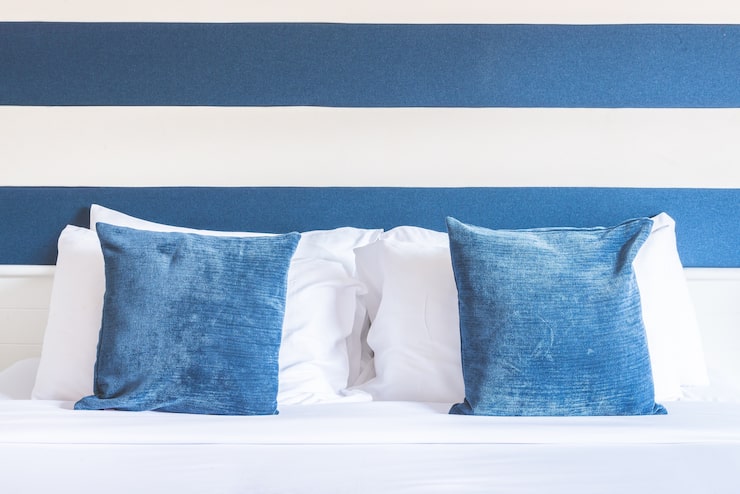
Blue and White Throw Pillows: Stylish Ideas for a Fresh and Elegant Home
Blue and white throw pillows are a timeless decorating choice that can add freshness, contrast, and character to living rooms, bedrooms, reading spaces, and other areas of the home. The combination of blue and white works across many interior styles because it can be adapted from soft and coastal to traditional, modern, or sophisticated. Decorative pillows are also an easy way to refresh existing furniture without replacing an entire sofa or changing the room’s main color scheme. With the right patterns, fabrics, sizes, and shades, blue and white pillows can create a comfortable and coordinated appearance. Why Blue and White Work So Well Together Blue and white create a balanced combination because white provides brightness while blue introduces depth and color. The contrast can be subtle when pale blue is used, or more dramatic when navy or cobalt is selected. This color pairing is also highly versatile. It can create a relaxed coastal feeling, a classic traditional appearance, or a crisp contemporary atmosphere depending on the design. Because both colors can be found in countless shades and patterns, homeowners can easily adapt them to existing furniture and decorative accessories. Choosing the Right Blue Shade The shade of blue has a major effect on the overall mood of the room. Light blue can create an airy and peaceful appearance, while navy provides a deeper and more sophisticated effect. Teal and turquoise can introduce a brighter coastal feeling, whereas dusty blue and muted blue can produce a softer, more understated look. Cobalt and royal blue can create stronger visual contrast and work well when the room needs a noticeable accent. Before choosing pillows, consider the colors already present in the room so the blue feels intentional rather than disconnected. Popular Blue and White Patterns Patterns allow blue and white pillows to complement many different decorating styles. Stripes are among the most versatile options and can create a classic or coastal appearance. Geometric patterns can give the room a contemporary feel, while floral designs can create a softer and more traditional look. Checks, trellis patterns, medallions, abstract prints, and botanical motifs are also popular choices. When combining several patterned pillows, use different pattern scales. A large print can be balanced with smaller geometric or striped designs. Choosing the Right Fabric The fabric affects both the visual appearance and comfort of a decorative pillow. Cotton and linen are popular choices for relaxed and casual interiors. Velvet can give navy or deep blue pillows a richer and more luxurious appearance. Chenille provides softness and works well in comfortable family rooms. Woven and embroidered fabrics can introduce texture without requiring bold colors. For frequently used furniture, select fabrics that are durable and easy to maintain. Decorative pillows used mainly for appearance can accommodate more delicate materials. Blue and White Pillows for the Living Room A neutral sofa can provide an excellent background for blue and white pillows. White, cream, beige, gray, and light brown upholstery can all work well with this combination. On a white sofa, deeper blue pillows can create definition. On a navy or dark blue sofa, predominantly white pillows can introduce brightness. A balanced arrangement can include a mixture of solid colors, stripes, and patterned cushions. Adding a coordinating throw blanket or rug can help connect the colors throughout the room. Decorating a Bedroom Blue and white are particularly suitable for bedrooms because they can create a clean and peaceful appearance. White bedding paired with pale blue pillows can produce a soft and airy atmosphere. Navy pillows can provide stronger contrast against white sheets or a light headboard. Layering pillows in different sizes can add depth to the bed. Larger pillows can provide the foundation, while smaller decorative cushions can be placed toward the front. For a more relaxed appearance, incorporate linen, cotton, or other natural-looking materials. Creating a Coastal-Inspired Look Blue and white are strongly associated with coastal interiors because they resemble elements such as water, clouds, and bright seaside environments. Light blue, aqua, navy, and white can be combined with natural wood, rattan, linen, and woven accessories. A coastal room does not need to rely heavily on nautical decorations. The color combination and natural textures can create the desired atmosphere without anchors, shells, or other themed accessories. This creates a more subtle and contemporary interpretation of coastal decorating. Creating a Traditional Interior Blue and white have long been used in classic interior design. Traditional spaces can benefit from floral, damask, medallion, or intricate geometric patterns. Navy and cream can create a particularly sophisticated combination when used with traditional furniture and natural wood finishes. Decorative piping, embroidery, and textured fabrics can further enhance the classic appearance. The key is to coordinate the patterns rather than using too many competing designs. Creating a Modern Look Modern interiors often benefit from simple blue and white pillows with clean geometric patterns or solid blocks of color. A crisp white sofa can be paired with navy cushions for a strong but controlled contrast. Abstract patterns can also work well in contemporary rooms, particularly when the rest of the furniture has simple lines. Keep the overall number of patterns limited to preserve the clean appearance associated with modern interiors. Combining Blue and White With Other Colors Blue and white can easily be combined with additional colors. Beige and tan introduce warmth, while gray creates a more understated contemporary palette. Natural wood tones work particularly well because they soften the contrast between the two colors. Green can create a fresh botanical atmosphere, while muted yellow can add warmth and energy. Metallic accents such as brass or silver can also complement blue and white, particularly in more formal interiors. Use additional colors selectively so that the primary palette remains clear. Mixing Pillow Sizes and Shapes Different pillow sizes can make a sofa or bed look more layered and inviting. Large square pillows can provide a foundation, while smaller cushions can add pattern and color toward the front. Lumbar pillows can introduce a different shape and provide practical support.
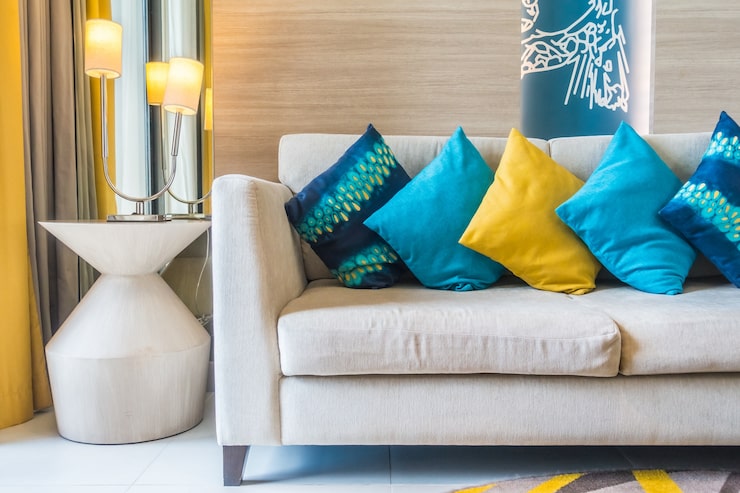
Blue and Green Pillows: Stylish Ideas for a Fresh and Relaxing Home
Blue and green pillows can bring a refreshing combination of color, comfort, and natural character to almost any living space. These two colors work particularly well together because they are commonly associated with water, nature, sky, and greenery. Depending on the shades and patterns selected, the combination can create anything from a calm coastal atmosphere to a rich botanical look or a sophisticated contemporary setting. Decorative pillows are also an easy way to update furniture without replacing larger pieces, making them a practical choice for seasonal decorating and everyday home styling. Why Blue and Green Work Well Together Blue and green sit close to each other on the color wheel, which allows them to create a naturally harmonious combination. Cool blue can provide a sense of calm, while green can introduce an organic and refreshing quality. The overall effect depends heavily on the specific shades. Pale blue with sage green can feel soft and understated, while navy and emerald can create a richer and more dramatic appearance. Because both colors are available in countless shades, they can be adapted to different decorating styles and room sizes. Choosing the Right Shades Shade selection is one of the most important parts of creating a successful blue and green pillow arrangement. Light blue and soft green are suitable for airy interiors and rooms where a relaxed atmosphere is desired. Navy blue paired with forest or emerald green creates stronger contrast and works well in sophisticated spaces. Teal and turquoise can provide a vibrant appearance, especially when combined with lighter green accents. Muted blue and olive green can create a warmer, more earthy look. Consider the colors already present in the room before selecting pillows so that the new accessories feel connected to the existing design. Popular Blue and Green Pillow Patterns Patterns can add personality while helping multiple pillows feel coordinated. Botanical prints are a natural choice because leaves and foliage already connect green with nature. Geometric designs can provide a modern appearance, while stripes create a classic and structured look. Floral patterns can introduce softness, and abstract designs can add a more artistic quality. If several patterned pillows are being used together, vary the scale of the patterns. Combining one larger print with smaller or simpler designs can help prevent visual overload. Choosing the Right Fabric Fabric influences both the appearance and comfort of decorative pillows. Cotton and linen are suitable for casual spaces and warm-weather decorating because they have a light and natural appearance. Velvet can make deep blue and green shades appear richer and more luxurious. Chenille and woven fabrics can provide softness and texture in family rooms. Embroidered or textured pillows can add visual interest even when their colors are relatively simple. Choose materials according to how the pillows will be used. Decorative pillows in frequently used areas should generally be comfortable and durable. Blue and Green Pillows for the Living Room The living room is one of the easiest places to introduce blue and green through decorative cushions. A neutral sofa provides an excellent background because it allows the colors to stand out. On a white or cream sofa, blue and green pillows can create a fresh and bright appearance. Gray furniture can support deeper shades such as navy, teal, and forest green. Wood furniture also pairs naturally with this color combination because natural wood tones help connect the cool colors with an earthy environment. A coordinated throw blanket or rug can further connect the colors throughout the room. Decorating a Bedroom With Blue and Green Blue and green can create a peaceful bedroom environment when softer shades are selected. Pale blue combined with sage, mint, or muted green can produce a gentle appearance. For a more dramatic bedroom, consider navy bedding with emerald or forest green accents. Pillows can be layered in different sizes to create depth. Larger square cushions can provide a foundation, while smaller decorative pillows can add contrasting patterns or textures. Keep the arrangement balanced so that the colors enhance the bedroom rather than making it feel overly busy. Creating a Coastal Look Blue and green are naturally suited to coastal-inspired interiors. Soft aqua, sea blue, muted turquoise, and light green can evoke the appearance of water and natural landscapes. Pair these colors with white, cream, pale wood, linen, and woven textures for a relaxed coastal atmosphere. Avoid using too many nautical symbols if you want a more modern interpretation. Color, texture, and natural materials can communicate the coastal feeling without relying heavily on themed accessories. Creating a Botanical Atmosphere Green is strongly associated with plants and foliage, making it an ideal color for botanical-inspired decorating. Pairing green pillows with blue designs featuring leaves, flowers, or abstract natural forms can create a fresh interior. Houseplants, wooden furniture, woven baskets, and natural fabrics can strengthen this connection. A botanical arrangement does not need to be overly colorful. Different shades of green combined with one or two blue accents can create a sophisticated appearance. Using Blue and Green in Neutral Rooms Neutral rooms can benefit significantly from blue and green pillows because they introduce color without requiring a major redesign. A beige, cream, white, or gray sofa can serve as a neutral foundation. Blue and green cushions can then provide controlled bursts of color. If the room already contains several neutral accessories, choose pillows with different textures to create additional interest. This approach is especially useful for renters or homeowners who want to refresh a room without changing permanent features. Mixing Blue and Green With Other Colors Blue and green can be combined with several additional colors. White and cream provide a clean background, while beige and tan introduce warmth. Brown and natural wood tones can create an earthy appearance. Gold or brass accents can complement deeper blue and green shades in more sophisticated interiors. Yellow can provide energetic contrast, while soft gray can help create a quieter and more contemporary palette. Use additional colors selectively so that the primary blue and green combination remains
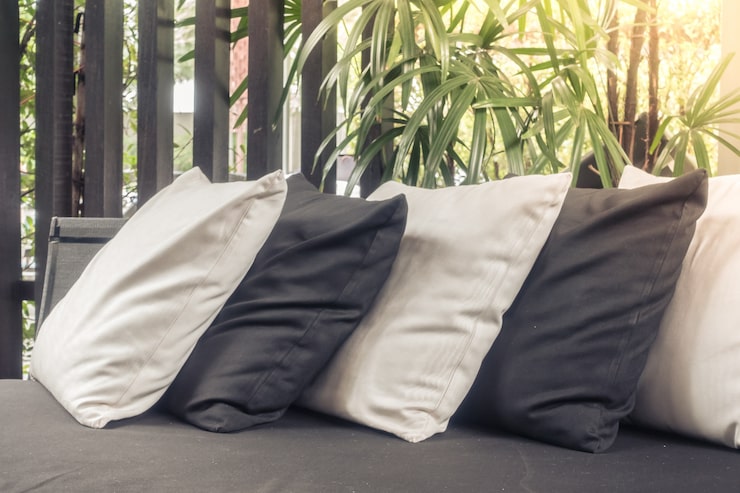
Black and White Throw Pillow: Stylish Ideas for Modern Home Decor
A black and white throw pillow is a simple yet versatile way to introduce contrast, personality, and visual balance into a living space. The timeless combination of black and white works with many interior styles, from modern and minimalist to farmhouse, contemporary, and eclectic. Whether placed on a sofa, accent chair, bed, bench, or reading nook, the right pillow can make a room feel more polished without requiring a complete decorating change. Because black and white can complement almost any color palette, these pillows are also easy to incorporate into existing interiors. What Makes Black and White Throw Pillows Popular? Black and white create a strong visual contrast that naturally attracts attention. Unlike highly colorful accessories, this classic combination can provide character while maintaining a restrained appearance. The two colors can also be used in many different patterns. Stripes, geometric shapes, checks, abstract designs, botanical prints, and simple color blocks can all create completely different moods. Another advantage is flexibility. A black and white pillow can work as a subtle accent in a neutral room or become a stronger focal point when surrounded by simpler furnishings. Choosing the Right Pillow Style The style of the pillow should match the overall atmosphere of the room. A geometric pattern can complement a contemporary interior, while a checked or striped design may work well in a casual or farmhouse-inspired setting. For a minimalist room, a pillow with a simple black border or understated pattern can add interest without creating visual clutter. Eclectic interiors offer more freedom. Different patterns and textures can be combined to create a layered and expressive appearance. The goal is to select a design that supports the room rather than competing with every other decorative element. Popular Black and White Patterns Patterns are one of the easiest ways to add personality to a black and white pillow. Stripes are classic and can make furniture appear more structured. Geometric patterns can introduce a modern appearance through triangles, diamonds, grids, or abstract shapes. Checkerboard designs provide a bold graphic effect. Floral and botanical prints offer a softer interpretation of the color combination, while abstract patterns can create a more artistic look. When using multiple patterned pillows, vary the scale of the designs so that they do not all compete for attention. Choosing the Right Fabric Fabric has a major influence on how a pillow looks and feels. Cotton and linen are popular for casual and relaxed interiors because they provide a natural texture. Velvet can create a richer and more luxurious appearance. Wool or woven fabrics can add warmth and dimension during colder seasons. Textured materials such as boucle, chenille, and embroidered fabrics can make a black and white pillow more visually interesting even when the pattern itself is simple. Consider both appearance and comfort when choosing a fabric, especially if the pillow will be used regularly. Black and White Pillows on a Sofa A sofa is one of the most common places to use decorative pillows. A black and white pillow can create contrast against neutral upholstery such as beige, gray, cream, or white. On a darker sofa, a lighter pillow can provide brightness, while a predominantly black design can add depth to a lighter piece of furniture. Instead of using several identical pillows, combine different shapes, patterns, and textures. A balanced arrangement can make the sofa look comfortable and intentionally styled. Decorating a Bed With Black and White Pillows Black and white pillows can also create a sophisticated bedroom arrangement. They can be layered in front of larger sleeping pillows or placed against a neutral headboard. A black and white design can work particularly well with white bedding because the contrast is clear and uncomplicated. For a softer bedroom appearance, combine black and white pillows with gray, cream, beige, or natural textile colors. This prevents the room from feeling overly stark. Using Them With Other Colors Black and white do not need to be used alone. They can serve as a neutral foundation for other accent colors. Adding muted green can create a natural atmosphere, while warm terracotta or rust can make the space feel more inviting. Blue can introduce a calm coastal or contemporary quality. Metallic accents such as brass or silver can also complement black and white decor. When adding another color, use it selectively so that the black and white elements continue to provide visual structure. Creating a Modern Look Modern interiors often rely on clean lines, controlled color palettes, and carefully selected accessories. A black and white throw pillow can reinforce this aesthetic without requiring major changes. Look for simple geometric patterns, sharp borders, monochrome artwork, or structured textures. Pairing a graphic pillow with a plain sofa can create a strong contrast while keeping the overall design organized. Avoid using too many unrelated patterns because the modern appearance depends partly on visual clarity. Creating a Cozy Look Although black and white can sometimes appear formal, the right materials can make the combination feel warm and comfortable. Soft fabrics, woven textures, fringed edges, and subtle patterns can reduce the severity of a high-contrast palette. Layering black and white pillows with cream, beige, or warm gray cushions can create a cozy arrangement suitable for living rooms and bedrooms. Natural materials such as wood, rattan, and woven baskets can also soften the overall look. Mixing Different Pillow Sizes Using different pillow sizes can make a seating arrangement look more dynamic. Larger square pillows can provide a foundation, while smaller cushions can be positioned in front. Rectangular lumbar pillows can add another shape and provide useful back support. The key is to create variety without making the arrangement appear crowded. Leave enough space for people to sit comfortably. Decorating With Seasonal Changes Black and white pillows are easy to adapt throughout the year because their neutral palette works with seasonal accessories. During colder months, pair them with chunky knit blankets and warm textured fabrics. In spring and summer, lighter linen or cotton pillows can create a fresher appearance. Seasonal
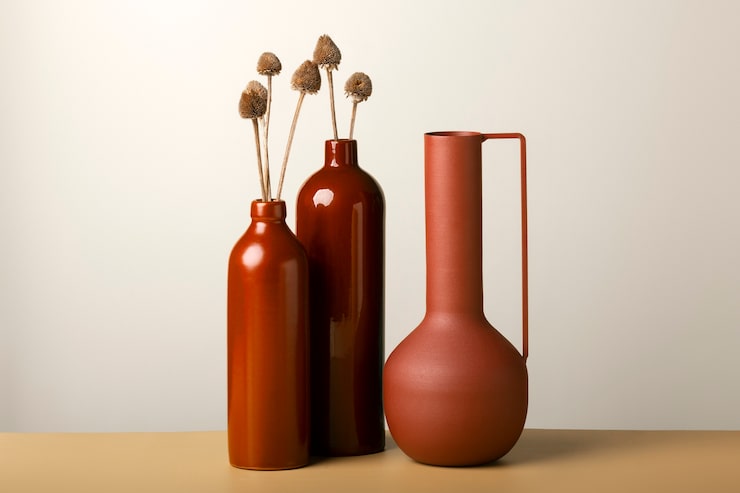
Tall Ceramic Vase: Stylish Ideas for Elegant Home Decor
A tall ceramic vase can instantly add height, character, and visual balance to a room without requiring a major change in the overall decor. Its simple structure makes it suitable for modern, traditional, rustic, minimalist, and contemporary interiors. Whether displayed with fresh flowers, dried branches, decorative grasses, or left empty as a statement piece, a tall vase can become an attractive focal point. Because ceramic comes in many colors, finishes, shapes, and textures, homeowners can easily find an option that complements their existing furniture and decorating style. What Is a Tall Ceramic Vase? A tall ceramic vase is a decorative container made primarily from ceramic material and designed with greater height than standard tabletop vases. Its elongated proportions make it especially useful for decorating areas where vertical space needs more visual interest. These vases are commonly placed on floors, console tables, shelves, sideboards, mantels, entryway furniture, or large open surfaces. Depending on their size and construction, some are primarily decorative while others are suitable for holding water and fresh flowers. Why Tall Vases Are Popular in Home Decor Height is an important element of interior design because it can help create visual balance. Furniture and decorative accessories are often positioned at different heights, and a tall vase can fill an otherwise empty vertical area. Ceramic also provides a substantial appearance compared with lightweight decorative materials. A well-designed vase can add texture and personality without making the room feel overcrowded. Another benefit is versatility. The same vase can be used with different seasonal arrangements or displayed by itself when a simpler appearance is preferred. Choosing the Right Size Size should be considered carefully before purchasing a tall vase. A very large vase can dominate a small room, while a narrow vase may look insignificant in a spacious area. For floor placement, choose a height that complements nearby furniture and leaves enough surrounding space. A vase placed on a console or table should be proportionate to the furniture rather than extending so high that it interferes with artwork, lighting, or other decorative features. The width also matters. A tall, narrow design creates an elegant vertical effect, while a wider base can provide a stronger and more substantial presence. Popular Ceramic Vase Shapes Ceramic vases are available in numerous shapes, allowing homeowners to select a design that matches their preferred aesthetic. Slim cylindrical vases work well in minimalist interiors. Rounded or bulb-shaped designs can create a softer appearance, while tapered styles offer a more architectural look. Some vases feature narrow openings that work particularly well with individual branches or tall stems. Others have wider openings that allow fuller floral arrangements. The silhouette should be considered along with the color and finish because the shape itself can become an important decorative element. Choosing Colors and Finishes Color is one of the easiest ways to coordinate a ceramic vase with an existing interior. White, cream, beige, gray, black, and muted earth tones can blend naturally with neutral decor. For a stronger visual statement, deeper shades or carefully selected accent colors can provide contrast. Matte finishes tend to create a soft and understated appearance, while glossy ceramic surfaces can reflect light and provide a more polished look. Textured finishes may add additional depth and interest to simple rooms. When selecting a color, consider the surrounding walls, flooring, furniture, curtains, and decorative accessories. Tall Ceramic Vases for Modern Interiors Modern interiors often benefit from clean shapes and restrained decoration. A tall ceramic vase with a simple silhouette can fit naturally into this style. Neutral colors such as white, charcoal, sand, or warm gray can complement contemporary furniture without competing with stronger design features. A single vase containing several long branches can provide an organized vertical element. Alternatively, an empty sculptural vase can create interest through its shape alone. Using Vases in Minimalist Spaces Minimalist decorating focuses on simplicity, useful objects, open space, and carefully selected details. A tall vase can work particularly well in this environment because one well-chosen piece can have a noticeable impact. Instead of filling the vase with a large arrangement, consider a few stems or dried branches. Leaving some of the surrounding surface visible can preserve the clean appearance associated with minimalist interiors. The goal is to make the vase feel intentional rather than excessive. Decorating With Flowers and Branches Fresh flowers can transform the appearance of a ceramic vase and introduce natural color into a room. Tall flowers and branches are particularly suitable because they complement the elongated shape. Dried pampas grass, eucalyptus, reeds, willow branches, and decorative grasses can provide a long-lasting alternative to fresh flowers. The arrangement should be proportional to the vase. Extremely short stems may make a tall vase appear unbalanced, while excessively large branches can overwhelm the surrounding space. Using a Vase Without Flowers A tall vase does not always need an arrangement to look attractive. Many ceramic designs have enough shape, texture, or color to function as standalone decorative objects. An empty vase can be useful when creating a clean and uncluttered display. This approach works especially well with sculptural ceramic designs. Displaying the vase alone also makes it easier to change the room’s appearance without regularly purchasing flowers or replacing dried arrangements. Placement Ideas Around the Home Entryways are excellent locations for tall ceramic vases because they often contain unused vertical space. A vase placed beside an entry console can create an inviting first impression. Living rooms may benefit from a vase positioned beside a cabinet, fireplace, sofa, or reading chair. In dining areas, a large vase can add height to a sideboard. Bedrooms can use smaller versions on dressers or consoles, while spacious hallways can accommodate larger floor-standing designs. Always leave enough space around the vase so that it does not become a practical obstacle. Creating Balance With Other Decor A vase should work with the other objects around it rather than appearing disconnected. Pairing a tall vase with shorter decorative pieces can create an appealing variation in height. For example, a tall
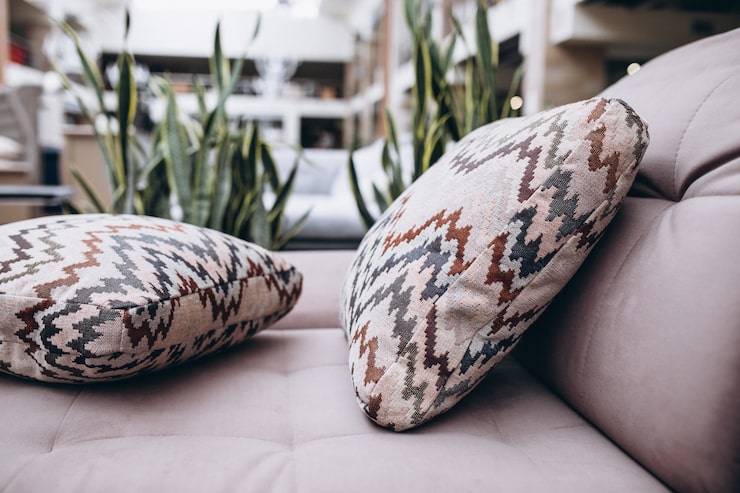
Neutral Throw Pillows: Simple and Stylish Ideas for a Comfortable Home
Small decorative details can make a noticeable difference in the appearance and comfort of a room. Neutral throw pillows are especially versatile because they can complement many interior styles without overwhelming the existing décor. Shades such as cream, beige, ivory, taupe, gray, and soft brown can create a calm and balanced atmosphere while adding softness to sofas, beds, chairs, and benches. Whether your home follows a modern, minimalist, farmhouse, Scandinavian, traditional, or contemporary design, neutral pillows can be mixed with different textures and shapes to create a coordinated appearance. Their versatility also makes them useful when refreshing a room without replacing larger furniture pieces. What Are Neutral Throw Pillows? Neutral throw pillows are decorative cushions designed in subtle colors that generally work well with a wide range of interior palettes. Common neutral shades include white, cream, beige, tan, taupe, gray, and brown. These pillows may be plain or feature subtle patterns, textures, embroidery, stripes, checks, or geometric designs. Because their colors are understated, they can be layered with other decorative pieces without making the room feel visually crowded. Neutral pillows are not limited to one particular decorating style. Their simplicity allows them to work as supporting elements in both traditional and contemporary interiors. Why Choose Neutral Pillows? One of the main advantages of neutral pillows is versatility. They can be moved from one room to another and combined with changing décor throughout the year. A neutral pillow can also help balance stronger colors in a room. If a sofa, rug, artwork, or curtains already contain bold shades, softer cushions can provide visual breathing room. Another benefit is their timeless appearance. Neutral colors are less dependent on seasonal trends, which means they can remain useful even when other decorative elements change. Choosing the Right Neutral Colors Not every neutral shade creates the same atmosphere. Warm neutrals such as cream, beige, camel, and soft brown can make a room feel inviting and cozy. Cooler neutrals such as gray, stone, and soft white can create a cleaner and more contemporary appearance. When choosing pillows, consider the existing colors in the room. Warm neutral cushions generally work well with wood tones and warm lighting, while cooler neutrals can complement metal finishes and modern color palettes. Using several shades from the same neutral family can also create depth without introducing strong contrasts. Mixing Different Textures Texture is particularly important when decorating with neutral colors. Without variation, several beige or cream pillows may look flat. Combining materials such as linen, cotton, velvet, boucle, wool, knitted fabric, and woven textiles can create visual interest. For example, a smooth cotton pillow can be paired with a textured woven cushion and a soft knitted design. The colors remain coordinated while the different surfaces make the arrangement more dynamic. Texture can also influence the atmosphere of a room. Chunky knits and boucle tend to create a cozy appearance, while linen and smooth cotton can feel lighter and more relaxed. Neutral Pillows for the Living Room The living room is one of the most common places to use decorative pillows. A neutral sofa can be styled with several shades of cream, beige, taupe, or gray. Instead of using identical pillows, consider combining different sizes, shapes, and textures. Larger square cushions can form the base, while smaller rectangular or lumbar pillows can be placed toward the front. If the sofa is already colorful, neutral pillows can help create balance. If the sofa is neutral, subtle patterns or contrasting textures can prevent the arrangement from appearing too plain. Neutral Pillows for the Bedroom Throw pillows can also add softness and visual interest to a bed. Layering pillows in different sizes can create a comfortable and finished appearance. A simple bedroom can use cream, ivory, beige, and soft gray pillows for a calm atmosphere. Adding textured fabrics can provide depth without introducing bold colors. Consider coordinating the pillows with the bedding, curtains, rug, or upholstered furniture. The goal does not necessarily need to be an exact color match. Slight variations can create a more natural and layered appearance. Neutral Pillows in Modern Interiors Modern interiors often benefit from simple shapes, restrained colors, and clean lines. Neutral cushions fit naturally into this aesthetic. Choose pillows in shades such as ivory, stone, light gray, taupe, or beige. Minimal patterns and subtle textures can add interest without disrupting the clean appearance. Geometric shapes, simple stripes, and understated woven patterns can also work well in modern spaces. Avoid using too many decorative elements at once. A carefully selected group of cushions can make a greater impact than a crowded arrangement. Neutral Pillows for Farmhouse and Rustic Décor Neutral cushions are also well suited to farmhouse and rustic interiors. Cream, oatmeal, beige, tan, and warm gray can complement natural wood, woven baskets, linen curtains, and other rustic materials. Textured fabrics can enhance the relaxed character of these spaces. Plaid, ticking stripes, subtle checks, and simple woven patterns can introduce visual interest while maintaining a neutral palette. Pairing cushions with natural materials can create a comfortable and welcoming atmosphere. How to Arrange Throw Pillows Pillow arrangement depends on the size and shape of the furniture. On a sofa, larger pillows can be placed toward the back with smaller cushions layered in front. For a more symmetrical appearance, use similar arrangements on both sides. For a relaxed look, vary the shapes and textures while maintaining a consistent color palette. On a bed, larger pillows can sit behind standard sleeping pillows, followed by decorative squares or lumbar cushions. Avoid filling every available space. Leaving some room can make the arrangement appear more intentional and comfortable. Seasonal Decorating With Neutral Pillows Neutral cushions can be used throughout the year because they are easy to adapt to seasonal décor. In spring and summer, lightweight linen and cotton textures can create a fresh appearance. During autumn and winter, heavier knits, boucle, velvet, and woven fabrics can add warmth. Seasonal accents can also be introduced without replacing the entire pillow collection. A few pillows in
Roof Lights: Bring Light Into Your Life
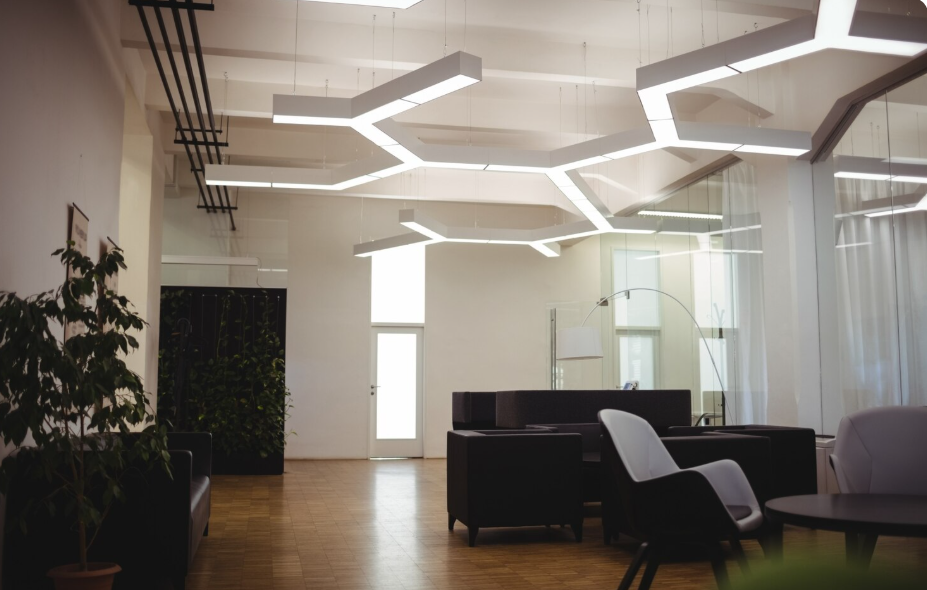
Natural light can transform a home, but when it’s not possible to add more conventional windows, rooflights can be a great solution. Ideal for adding light to kitchens, hallways, extensions, bathrooms, loft conversions, living rooms, rooflights are available in a range of modern styles to complement the decor of any home. Carefully positioned and installed, roof lights can transform the look and feel of a home interior, bringing in much needed natural illumination. What are roof lights? Rooflights are glazed openings into a roof to allow natural daylight to enter a building from above. Available in a range of styles, including: Flat roof lights Skylights Roof windows Fixed roof glazing Opening roof lights Tubular daylight systems each with their own particular benefits, roof lights can be a great way of adding much needed natural light to a home. However, the most suitable style will depend on a number of factors including the room itself, the building structure and whether or not ventilation is required. The benefits of roof lights for the home Most notably, roof lights can be a great way of introducing much needed natural light into the home, transforming a dull and gloomy room into a bright and airy space. Other potential benefits include: Bringing light into the home Creating the illusion of a larger space Providing a welcome alternative to electric lighting Bringing a touch of architecture and style Enhancing the view from inside the home Creating natural ventilation with an opening roof The combination of a roof light and good interior design can transform a home. What styles of roof light are available? There are a number of different roof light styles available, each offering a slightly different set of benefits. Fixed roof lights Designed simply to provide an additional source of natural light, fixed roof lights cannot be opened for ventilation. Opening roof lights Offering the benefits of natural light and ventilation, opening roof lights can be manually or electrically operated. Flat roof lights Flat roof lights are ideal for use on extensions, garages, kitchens, and contemporary additions to the home, offering a clean, modern aesthetic. Tubular roof lights For smaller and enclosed spaces, tubular roof lights can be a great solution to introduce natural light. Where should roof lights be installed? The most beneficial location for roof lights will depend on the individual property and how it is used, but kitchens are often a particularly good candidate for roof light installation due to the additional source of natural light. Roof lights can also be installed in: Hallways Staircases Bathrooms Office spaces Dining rooms Living rooms Loft conversions Home extensions Careful consideration should be given to the internal furnishing and fittings, as well as the structure of the roof and the likely angle of sunlight in the proposed installation location. A roof light is unlikely to be a good fit in a building with minimal natural light, such as a basement. Roof lights and interior design Not only are roof lights a source of natural illumination, but they also have the potential to be a dramatic design feature within a room. Daylight streaming in from a roof light can create interesting lighting effects within the room, depending on the time of day. With minimalist interiors benefitting greatly from the clean lines of a contemporary roof light, and traditional properties able to use more traditional styled roof windows, the choice of roof light can be an important part of any interior design scheme. Consideration should be given to how the proposed roof light will complement the overall design in terms of walls, flooring, furniture and lighting. Ventilation benefits of opening roof lights Natural ventilation can be a great benefit, and opening roof lights can provide an alternative to extractor fans or air conditioning. Warm air rises, meaning that installing an opening roof light can be a great way of encouraging the circulation of warm air out of a room. Opening roof lights can be particularly beneficial in: Kitchens Bathrooms Upper floor rooms Loft spaces Conservatories and extensions However, the particular requirements of the property should be considered in order to determine if an opening roof light would be a beneficial addition. Thermal performance and efficiency When considering the installation of a roof light, it is important to look beyond aesthetics. Factors such as glazing, frames, internal and external insulation, and correct installation will all affect the thermal performance of the roof light and its impact on the overall energy efficiency of the home. A poorly planned or installed roof opening could lead to issues with condensation and unwanted heat loss or gain. Careful consideration should be given to the likely solar gain of the proposed roof light installation, particularly if the room is likely to be exposed to direct sunlight for long periods of the day. Solar gain can be controlled or reduced using blinds, shades or solar glass depending on the requirements of the room. Maintenance and cleaning As roof lights are exposed to the elements, any potential maintenance or cleaning requirements should be considered prior to installation. Dust, leaves, rainwater marks and other debris can all build up on roof glazing, potentially impacting on the appearance of the roof light. Consider a roof light design that allows for easy access and inspection, and opt for products that have been specifically designed with ease of maintenance in mind. Periodic inspection and cleaning of the roof light seals and frame is recommended to prevent any issues caused by exposure to the elements. Installation considerations The process of roof light installation involves much more than simply cutting an opening in the roof for the new glazing. A reputable professional installers will be able to advise on the most suitable fixings, insulation, waterproofing and roofing materials, and the impact on the overall structure of the home. Correct installation is critical to preventing issues such as water ingress, damp, heat loss, and damage to the roof structure. Building regulations or other local requirements may need to be taken
Rustic Wall Art Decor: Warmth and Comfort Inspirations for Every Interior
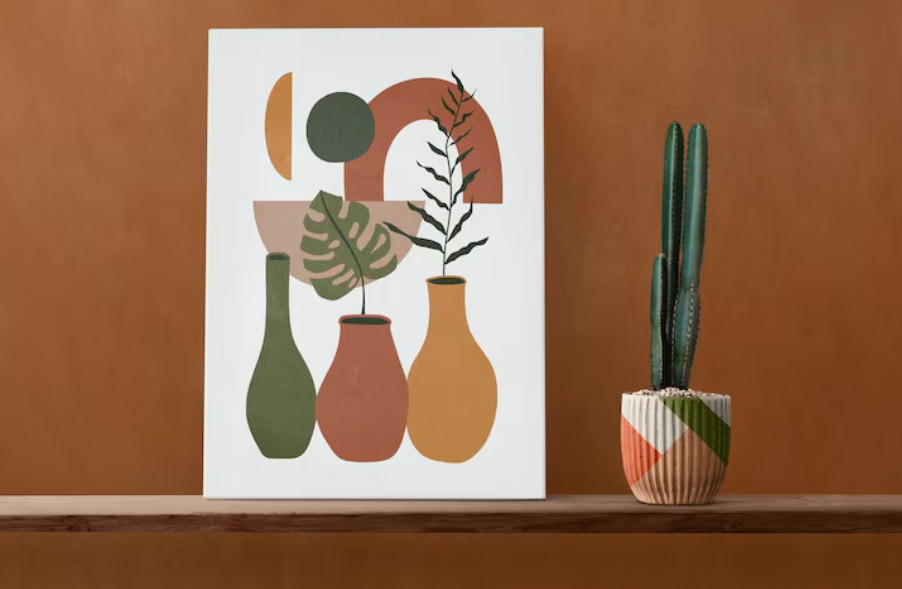
The interior of a house is a harmonious combination of elements. Furniture and lights bring warmth and coziness, but it is the decor that reflects the personalization of the space. Rustic decorating is a perfect option for people who like the beauty of nature in their home. Rustic wall art decor combines wood, metal, natural elements, vintage, and handmade into one style. This interior decoration creates a harmonious blend of comfort in any place, from the living room to the bedroom. Rustic Wall Art Decor: Warm and Cozy Inspiration for the Home Rustic wall decor is characterized by its natural, old-fashioned, and comfortable vibes. This decorating style does not follow the trends of gloss and brightness that urban decorators advocate. Some common elements of rustic wall art decor are: • Natural wood and its various applications • The use of earthy tones • Vintage signs • Metal details • Botanical prints • Handmade crafts • Distressed textures • Neutral colors These details add coziness without cluttering the interior with excessive elements. Opt for Wood to Decorate Your Walls with Rustic Style Wood is the base of any rustic decoration, and there are many ways to implement it. Barnwood, wooden signs or plaques, reclaimed timber, or woodwork in general will bring the natural atmosphere into the house. The rustic wall decor can combine larger woodworks above the sofa or bed or create a gallery of small wooden paintings and signs. Pay attention to the furniture in the room when selecting wooden accents for it. If the interior is light, it will not look very harmonious with large dark wooden inserts. Add Coziness With Vintage Wall Signs It is always easier to start with smaller accents when creating a new decorating concept. A rustic living room or even a bedroom can be enhanced with vintage signs. They can come in different sizes and fonts – from simple words to phrases with a country flair. Signs can be used in every corner of the house: over the kitchen sink, behind the sofa, or above the bed. The rustic decor signs can depict various sayings – for the kitchen, messages to the owners, or even the countryside. The size is also a relative factor: one large sign can be enough, as it often dominates the interior. Bring the Beauty of Nature Into Your Home With Rustic Wall Decor Nature is the perfect source of inspiration for creating a rustic decorating concept. Rustic wall art with botanical prints, leaves, wood, landscapes, mountains, or forests will bring serenity and calmness to any interior. Combining different elements is even more effective: a neutral landscape painting can be grouped with framed botanical prints or woven willow branches and dried bouquets. Adding greenery is also a great idea, as it will make the interior more lively and less wooden, which is especially important when there are wooden inserts. Group Different Prints in a Gallery Wall for a Cozy Living Room Creating a gallery wall is a popular way to display a group of different works in one interior. For a rustic decor concept, the main rule is to find a common feature that binds the group: neutral colors, wood, vintage signs, metals, and natural landscapes. First, select the central work and then look for other pictures in its style. The rustics can also be combined with metal: geometric signs, metal leaves, farm accents, or even nature motifs in this material. Creating rustic gallery walls saves space, so the group should not be too dense. An effective solution for mounting rustic signs is to lay them all out on the floor in advance to roughly distribute the picture. It will save both time and effort. Opt for Metal Decor Rustic for Unique Accent Metal details can be combined with wood to create a unique contrast. Black, bronze, copper, or weathered metal inserts will look stylish against light wood. Metal wall decor can have a rustic country style or be more urban-chic. Rustic metal decor can be used in almost every room in the house. It is better to use metal and wood together to avoid making the interior too similar. Metal works also have noticeable advantages: a large choice of motives, from geometric figures to country landscapes, a wide range of sizes, and relatively simple combination with other materials. Rugs, Woodwork, and Metallics for Rustic Living Room Decor Few elements can make as big a difference in the interior as a well-chosen piece of art. Even more so when rustic decorating is used, which focuses primarily on art. The living room is probably the best place to start because there are so many options to choose from. Above the sofa, a bold statement piece of art can anchor the room. Or something more subtle, like botanical prints or metal wall scenes. It is important to note the scale of the furniture in the room: large items of furniture need large inserts, but not necessarily large ones. On the contrary, an oversized picture above a modest sofa can throw off the balance of the interior. Rustic Bedroom Decor with Wooden Inserts and Warm Colors The bedroom is a sanctuary, a place where you can relax and unwind after a long day. The rustic decorating concept is great for this room since it uses earthy and warm tones. Rustic art creates a cozy atmosphere in an interior, so it is worth drawing attention to those pictures that will become the center of the composition. Large wooden inserts or landscape paintings in neutral tones are good options. For a more delicate look, a group of pictures in complementary colors works well. The rustic art concept is great for an interior of any color. Neutral colors are the easiest to work with since they blend in with other elements. If neutral colors are not a priority, then choose accent colors that will enrich the interior. It should also be borne in mind that neutral colors are easier to combine with the colors of