

When searching for bright cleaners, people are usually looking for a dependable way to keep their homes, offices, rental properties, or commercial spaces clean, fresh, and well maintained. A professional cleaning service can save time, improve indoor comfort, and handle difficult tasks that are easy to overlook during routine household cleaning. However, choosing the right provider requires more than comparing prices. Service quality, reliability, cleaning methods, staff experience, flexibility, and customer service all play important roles. What Should You Expect From a Professional Cleaning Service? A professional cleaning company should provide more than basic dusting and vacuuming. Depending on the service package, cleaners may handle kitchens, bathrooms, floors, windows, furniture, high-touch surfaces, and other areas that require regular attention. The exact services vary between providers, so it is important to understand what is included before scheduling an appointment. A quality cleaning service should also communicate clearly about pricing, scheduling, supplies, access requirements, and any special instructions. Common Cleaning Services Professional providers may offer: Some companies specialize in one area, while others provide comprehensive packages for homes and businesses. Why Hire Professional Cleaners? Cleaning regularly can take considerable time, particularly for busy households and workplaces. Professional assistance allows people to spend that time on work, family, recreation, or other priorities. Professionals may also have equipment and products that are more effective for certain tasks than ordinary household supplies. Main Advantages The most common benefits include: Professional cleaning can also be useful before important occasions, after moving, or when preparing a property for new occupants. Residential Cleaning Services Home cleaning is one of the most common areas of professional service. Depending on the package, cleaners may work throughout the property or focus on specific rooms. Routine service generally focuses on maintaining cleanliness, while deep cleaning addresses areas that may receive less attention during everyday chores. Regular Home Cleaning Regular cleaning can include dusting, vacuuming, mopping, bathroom maintenance, kitchen surface cleaning, and removal of common household debris. A recurring schedule can help prevent dirt and buildup from becoming difficult to manage. Deep Cleaning Deep cleaning is more detailed. It may include areas such as: Deep cleaning is particularly useful before establishing a regular maintenance schedule or after long periods without professional service. Commercial Cleaning Businesses often require a different approach because cleaning schedules need to work around employees, customers, equipment, and operating hours. Offices, retail stores, restaurants, medical facilities, warehouses, and other commercial spaces may have different requirements. Why Consistency Matters in Workplaces A clean workplace can create a more professional environment and reduce the accumulation of dust, waste, and grime. Businesses should look for providers that can maintain consistent standards rather than simply completing an occasional cleaning task. A written checklist or service plan can help both parties understand what is expected. Choosing the Right Cleaning Frequency There is no single schedule that works for every property. A small household with limited activity may only require occasional professional assistance. A large family home, busy office, or commercial property may need cleaning several times per week. Cleaning frequency Best suited for Typical purpose Daily Busy businesses and high-traffic facilities Continuous maintenance Several times weekly Active households and offices Consistent cleanliness Weekly Average homes and smaller workplaces Routine maintenance Biweekly Lower-traffic homes General upkeep Monthly Light-use properties Periodic detailed cleaning One-time Special situations Deep or event-related cleaning The right schedule depends on occupancy, traffic, pets, children, business activity, and personal preferences. What to Look for in a Cleaning Company Choosing a cleaning provider requires evaluating several factors rather than selecting the cheapest option. Experience and Training Experienced cleaners are more likely to understand how different surfaces and materials should be treated. Training is especially important when staff handle specialized equipment or cleaning chemicals. Ask whether workers receive instruction in safe cleaning methods and whether the company has procedures for handling delicate surfaces. Reliability A cleaning service should arrive when scheduled and communicate promptly if circumstances change. For recurring services, reliability is particularly important because missed appointments can quickly disrupt household or business routines. Insurance and Professional Standards For professional work, it is reasonable to ask whether the company carries appropriate insurance and follows established safety procedures. This can provide additional reassurance if accidental damage or injury occurs during service. Understanding Cleaning Products The products used during cleaning can affect surfaces, indoor air quality, and household preferences. Some customers prefer environmentally conscious products, while others may require specific products because of allergies, pets, children, or sensitive materials. Ask About Product Options Before service begins, clarify: Professional cleaners should understand that stronger chemicals are not automatically better. Correct product selection and proper application are more important. Safety and Cleaning Procedures A reputable provider should have clear procedures for preventing cross-contamination and protecting property. For example, cleaning tools used in bathrooms should be handled appropriately and should not be transferred carelessly to food preparation areas. Workers should also follow appropriate procedures when using concentrated chemicals, ladders, electrical equipment, or specialized machinery. Pricing and Estimates Cleaning prices vary according to property size, service type, frequency, location, condition, and number of rooms. Some companies charge by the hour, while others offer fixed prices based on the size and scope of the project. Before booking, request a clear explanation of what the quoted price includes. Avoid Unexpected Charges Ask whether additional fees may apply for: A transparent estimate makes it easier to compare providers fairly. Preparing Your Property for Cleaning Customers can often improve the efficiency of a cleaning visit by preparing beforehand. Remove unnecessary clutter from floors and surfaces where possible. Secure valuable or fragile items and communicate any areas that should not be touched. If pets are present, explain where they will be during the service. Providing clear instructions can help cleaners spend more time on the tasks that matter most. Questions to Ask Before Hiring Before scheduling a service, consider asking: The answers can reveal how professionally the company operates. Cleaning Service vs. DIY Cleaning Doing your own cleaning provides complete control over products, timing, and

Carpet Restoration: A Complete Guide to Bringing Damaged Carpets Back to Life
Professional carpet restoration can help revive flooring that has suffered from stains, water exposure, fading, heavy traffic, odors, or general deterioration. Instead of immediately replacing an expensive carpet, restoration focuses on repairing and improving the existing material whenever practical. The right approach depends on the carpet’s fiber, construction, age, condition, and type of damage. Understanding the restoration process can help homeowners and property managers decide whether cleaning, repair, or complete replacement is the most sensible solution. What Is Carpet Restoration? Carpet restoration is the process of repairing, cleaning, deodorizing, and improving carpet that has experienced damage or significant wear. Unlike routine vacuuming or standard cleaning, restoration addresses more serious problems that affect the appearance, condition, or usability of the flooring. The work may involve several services rather than one single treatment. For example, a carpet affected by a small water leak may require extraction, drying, odor treatment, and replacement of a damaged section. The objective is not always to make an old carpet look brand new. Instead, a successful restoration should improve its condition while preserving as much of the original material as possible. Common Problems That Require Restoration Carpets can deteriorate for many reasons, including: Identifying the cause of the problem is important because treating only the visible symptom may not solve the underlying issue. When Should a Carpet Be Restored? Not every damaged carpet needs professional intervention. Minor surface marks may respond well to appropriate home cleaning, while significant damage may require specialized equipment and experience. Restoration becomes particularly useful when the carpet is relatively valuable, difficult to replace, or installed as part of a larger continuous flooring area. Signs Professional Help May Be Needed Consider professional assessment when: Quick action is especially important after water exposure. The longer moisture remains trapped, the greater the risk of secondary damage and persistent odor. Assessing the Carpet Before Treatment A professional restoration process generally begins with inspection. The technician needs to determine the type of carpet, extent of damage, and likely cause. Different fibers respond differently to moisture, heat, cleaning products, and mechanical agitation. Fiber and Construction Matter Common carpet fibers include nylon, polyester, wool, polypropylene, and blends. Each has different characteristics. Nylon is known for durability and resilience, while wool has a natural appearance but may require more specialized care. Polyester can offer strong stain resistance, whereas polypropylene is commonly used in areas where moisture resistance is valuable. The construction also matters. Cut pile, loop pile, patterned carpets, and dense luxury products can require different techniques. The Restoration Process A restoration project may involve several stages depending on the condition of the flooring. 1. Inspection and Damage Assessment The first stage involves examining visible and hidden damage. Technicians may inspect seams, edges, backing, padding, and areas beneath furniture. The source of moisture or contamination should also be identified before treatment begins. 2. Removing Loose Dirt Dry soil is removed through thorough vacuuming or other appropriate methods. This step helps prevent loose particles from interfering with subsequent cleaning. 3. Specialized Cleaning The cleaning method depends on the carpet’s fiber and condition. Professional equipment can remove deeply embedded soil that ordinary household vacuuming cannot reach. Cleaning should always be matched to the material. Excessive moisture or inappropriate chemicals can cause additional problems. 4. Stain Treatment Different stains require different approaches. Food, grease, beverages, ink, and pet-related contamination do not necessarily respond to the same treatment. Attempting to remove difficult stains with random household chemicals can sometimes permanently alter the color or texture. 5. Repair Damaged sections may be repaired by patching, re-seaming, re-stretching, or replacing specific areas. If matching spare carpet is available, a damaged section can sometimes be replaced with a piece from the same material. 6. Drying After moisture-based cleaning or water damage, thorough drying is essential. Air movement, ventilation, and professional drying equipment may be used to reduce remaining moisture. 7. Final Inspection The restored surface should be checked for remaining stains, loose seams, uneven areas, odors, and visible differences in repaired sections. Repairing Burns, Holes, and Torn Areas Physical damage does not necessarily mean the entire carpet needs to be replaced. Small burns or holes can sometimes be repaired with a donor piece. The damaged section is carefully removed and replaced with matching material. Matching Replacement Material The best match usually comes from leftover installation material. If no spare piece exists, a technician may obtain material from a hidden area, such as beneath a large fixed piece of furniture. Color matching becomes more difficult when the carpet has faded over time. Even identical products can appear slightly different because of sunlight, cleaning, and normal aging. Dealing With Water Damage Water damage requires a faster response than ordinary stains. Moisture can move through the carpet, padding, and subfloor. The source of the water should be stopped before restoration begins. Technicians then determine how much material has been affected. Why Fast Drying Matters Prompt drying can reduce the risk of: Not every water-damaged carpet can be saved. If contamination is severe or the backing has deteriorated, replacement may be safer and more practical. Removing Odors Odors can be difficult because the source may be below the visible surface. Pet accidents, spilled liquids, smoke, and prolonged moisture can affect the backing and padding. Simply applying a fragrance may temporarily cover an odor without removing its source. A better approach is to identify the contamination, treat the affected material appropriately, and ensure the area is thoroughly dried. Carpet Stretching and Wrinkles Carpet can develop wrinkles, ripples, or loose areas as it ages. Furniture movement, humidity changes, poor original installation, and repeated foot traffic can contribute to the problem. Professional stretching can sometimes restore a smoother appearance. Why Wrinkles Should Not Be Ignored Loose carpet can become a tripping hazard and may continue deteriorating as people walk over the affected area. Attempting to stretch a large carpet manually without appropriate equipment can create uneven tension or damage the material. Restoration vs. Replacement One of the most important decisions is whether restoration
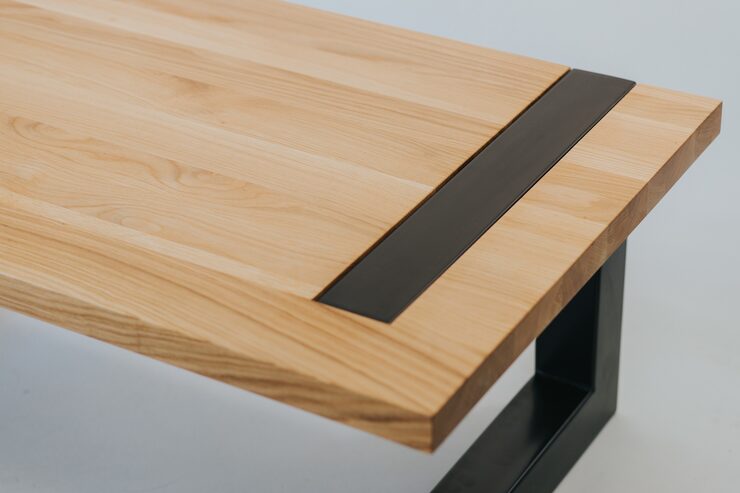
How to Choose the Best Corner Desk Solid Wood for Your Space
A corner desk solid wood design can be an excellent solution for creating a practical, attractive, and durable workspace without wasting valuable floor area. Whether you are furnishing a home office, study room, bedroom, or creative workspace, a well-designed wooden corner desk can provide generous working space while fitting neatly into an unused corner. Solid timber also brings natural character, strength, and warmth that can make a workspace feel more comfortable and inviting. Why Choose a Solid Wood Corner Desk? A corner workstation is designed to use two adjoining walls efficiently. Instead of placing a standard rectangular desk in the middle of a room, a corner design can create a dedicated work zone while leaving more open floor space. Solid wood adds another important advantage: durability. High-quality timber can withstand everyday use, monitor equipment, books, writing materials, and other office essentials. With appropriate care, a well-made wooden desk can remain functional and attractive for many years. Wood also offers visual versatility. Depending on the species, finish, and design, it can complement rustic, traditional, industrial, Scandinavian, farmhouse, or contemporary interiors. Key Benefits Some of the most important advantages include: The main disadvantage is that solid timber furniture can be heavier and more expensive than particleboard or laminate alternatives. However, the additional durability may make it a worthwhile long-term investment. Choosing the Right Wood Species The type of timber used can influence appearance, durability, weight, price, and maintenance requirements. Different woods have distinctive grain patterns and colors. Oak Oak is one of the most popular choices for furniture because it combines durability with an attractive grain. It works well in traditional and modern interiors and can be finished in many shades. Pine Pine is generally lighter and more affordable than many hardwoods. Its softer surface can develop dents more easily, but its natural appearance works particularly well in casual and farmhouse-style rooms. Walnut Walnut is valued for its rich color and elegant grain. It can create a sophisticated appearance and works especially well in executive-style home offices. Maple Maple tends to have a lighter, cleaner appearance. Its relatively hard surface makes it suitable for furniture that receives frequent use. Wood type Appearance Durability Typical style Oak Pronounced natural grain High Traditional and modern Pine Light and warm Moderate Farmhouse and casual Walnut Dark and refined High Contemporary and executive Maple Light and smooth High Minimalist and modern The best choice depends on your budget, preferred appearance, expected use, and the rest of your room’s furniture. Measuring the Available Space Before buying a corner desk, measure the available area carefully. A desk can look compact in photographs but occupy considerable space once installed. Measure both wall lengths, the distance between the walls, ceiling height if shelving is included, and the available clearance around doors and windows. Also consider the position of electrical outlets. A desk that blocks access to sockets can make computer and lighting setup unnecessarily difficult. Allow Enough Legroom Do not focus only on the desktop dimensions. The space beneath the desk needs to remain comfortable. Check whether drawers, cabinets, support panels, or crossbars interfere with your knees. If you plan to use a rolling office chair, allow sufficient clearance for movement. A corner desk should make the room more functional, not create a cramped workstation. Choosing the Right Desk Shape Corner desks are available in several configurations. L-Shaped Designs An L-shaped workstation provides two connected work surfaces. One side can hold a computer setup while the other is used for paperwork, writing, or creative activities. Compact Corner Designs Smaller desks are useful for bedrooms, apartments, and study areas where space is limited. They can provide enough room for a laptop and essential accessories without overwhelming the room. Large Executive Designs Larger models provide extensive working space and may include storage cabinets, drawers, or shelving. These are suitable for dedicated home offices where the desk serves as the primary workstation. Storage Options to Consider Storage can make a significant difference to how practical the workstation becomes. Drawers are useful for smaller items such as stationery, documents, cables, and accessories. Cabinets provide enclosed storage for larger supplies. Open shelving is convenient when frequently used items need to remain visible and accessible. However, excessive storage can make a corner desk appear bulky. If the room is small, a cleaner design with limited drawers and wall-mounted shelving may create a more open appearance. Built-In vs. Freestanding Storage Built-in storage can provide excellent organization and maximize the available corner, but it may be difficult to relocate. Freestanding desks offer greater flexibility. They can be moved, rearranged, or repurposed if you change your room layout. Think about your long-term needs before selecting a permanent configuration. Desk Height and Ergonomics A beautiful desk will not be comfortable if its dimensions are unsuitable for your body and equipment. The desktop should allow your arms to rest comfortably while typing. Your monitor should also be positioned at an appropriate height to reduce unnecessary neck strain. An adjustable office chair can help compensate for small differences in desk height, but the overall setup should still be comfortable. Computer Setup Considerations If you use multiple monitors, measure their combined width before purchasing the desk. Consider monitor stands, speakers, a laptop dock, and other equipment. Cable management is another important factor. Some desks include cable openings or concealed channels, while simpler designs may require external cable-management accessories. Planning these details before installation can prevent a cluttered workspace. Surface Finish and Maintenance The finish protects the timber and influences its appearance. Common finishes include oil, wax, lacquer, and polyurethane-style protective coatings. Oiled surfaces can emphasize natural grain but may require periodic maintenance. Lacquered or sealed surfaces generally provide stronger protection against everyday spills and marks. Basic Care Tips To keep a wooden workstation looking its best: Wood naturally changes over time. Exposure to sunlight can gradually alter its color, so consistent placement can help maintain a more uniform appearance. Comparing Solid Timber With Other Desk Materials Solid wood is not the only

DrHomey Handy Tips: Practical Home Improvement, Maintenance, DIY Ideas, and Smart Home Care
Keeping a home comfortable, organized, and well-maintained does not always require expensive renovations. Small improvements, regular maintenance, and smart everyday habits can make a noticeable difference. DrHomey Handy Tips focuses on practical ideas for home care, organization, repairs, decorating, and making everyday spaces work better. The main idea is simple: take care of small problems before they become expensive problems. Regular inspections, seasonal maintenance, and sensible organization can help homeowners maintain their properties more effectively. What Are DrHomey Handy Tips? DrHomey Handy Tips can be viewed as a collection of practical home-care ideas covering everything from simple repairs to organization and seasonal maintenance. Useful areas include: The goal is not to turn every homeowner into a professional contractor. Instead, simple projects can help homeowners become more confident about maintaining their homes while recognizing when professional help is necessary. 1. Start With Regular Home Maintenance One of the easiest ways to protect a home is to inspect important areas regularly. Small leaks, damaged seals, clogged gutters, worn weatherstripping, or loose hardware can become larger problems when ignored. Create a simple monthly checklist that includes: Seasonal inspections are particularly useful because different parts of a home require attention throughout the year. 2. Keep a Basic Home Tool Kit Every homeowner can benefit from having a basic set of tools available. You do not need a professional workshop for common household tasks. Useful tools include: Keeping tools together in one labeled toolbox makes small repairs faster and easier. 3. Fix Small Problems Early A loose cabinet handle may take only a few minutes to tighten. A small wall hole may require only basic patching and paint. A sticking door may need hinge adjustment or lubrication. These small tasks can improve the appearance and function of your home while preventing minor issues from becoming more frustrating. However, electrical systems, gas lines, structural problems, and complicated plumbing should generally be handled by qualified professionals when they exceed your knowledge or comfort level. Safety should always come before saving money. 4. Make Home Organization Easier A home does not necessarily need more storage—it may need better organization. Use simple systems such as: Vertical storage can be particularly useful in smaller rooms because it uses wall space instead of taking up additional floor area. 5. Improve Your Home With Small Design Changes Home improvement does not always mean replacing expensive furniture or remodeling an entire room. Small changes can include: These simple changes can refresh a room without requiring a major renovation. DrHomey Handy Tips for Different Home Areas Area Handy Tip Main Benefit Kitchen Organize cabinets and drawers Easier daily use Bathroom Check seals and plumbing Helps prevent water damage Living Room Reduce unnecessary clutter Cleaner appearance Bedroom Use vertical storage Saves floor space Entryway Add hooks and baskets Better organization Outdoor Area Inspect furniture and surfaces Extends usability 6. Use Seasonal Maintenance Routines Different seasons bring different maintenance needs. A seasonal checklist helps prevent important tasks from being forgotten. Spring Inspect outdoor areas, clean gutters, check windows, and look for damage that may have developed during winter. Summer Pay attention to cooling equipment, outdoor furniture, gardens, patios, and ventilation. Fall Prepare heating systems, clean gutters, inspect doors and windows, and address drafts before colder weather arrives. Winter Protect vulnerable plumbing, monitor leaks, maintain safe walkways, and keep indoor spaces properly maintained. Seasonal maintenance is one of the recurring themes in DrHomey guidance because preventative care can help homeowners identify issues earlier. 7. Save Energy With Simple Changes Energy efficiency can begin with small everyday improvements. Replacing older bulbs with LEDs, reducing unnecessary standby power, and choosing efficient appliances can help reduce energy use. You can also: Simple habits can make a home more efficient without requiring a major investment. 8. Know When to Call a Professional DIY projects can be rewarding, but not every repair should be handled independently. Professional assistance is particularly important for: A good homeowner knows not only how to fix simple problems but also when a project has moved beyond safe DIY territory. 9. Create a Simple Home Maintenance Schedule Instead of waiting until something breaks, create a regular routine. Weekly Monthly Seasonally This approach makes home maintenance feel manageable rather than overwhelming. Key DrHomey Handy Tips to Remember Final Thoughts DrHomey Handy Tips are centered around a practical approach to homeownership: maintain what you already have, improve spaces gradually, stay organized, and address small problems before they become expensive repairs. You do not need a huge budget or advanced construction skills to make meaningful improvements. A well-organized toolbox, regular maintenance routine, smart storage, and a willingness to handle appropriate small projects can make everyday home care much easier. Most importantly, safety should always come first. When a repair involves significant electrical, gas, structural, or other serious risks, bringing in a qualified professional is the smarter choice. FAQs About DrHomey Handy Tips 1. What are DrHomey Handy Tips? DrHomey Handy Tips are practical home-care and improvement ideas covering maintenance, organization, cleaning, DIY projects, seasonal care, and everyday home management. 2. What basic tools should every homeowner have? A screwdriver set, hammer, adjustable wrench, pliers, tape measure, utility knife, level, and cordless drill are useful starting points for basic household tasks. 3. How often should I perform home maintenance? Simple checks can be performed monthly, while larger tasks such as gutter cleaning, outdoor inspections, and heating or cooling checks can be scheduled seasonally. 4. Can I complete home repairs myself? Many minor tasks can be suitable for DIY, but major electrical, gas, structural, and complicated repair work should be handled by qualified professionals when appropriate. 5. How can I keep my home organized? Start by removing unnecessary items, assigning storage areas, using labeled containers, adding vertical storage, and creating simple routines for putting frequently used items back in their designated places. Read more:Black and White Throw Pillow: Stylish, Timeless, and Modern Décor Ideas for Every Home
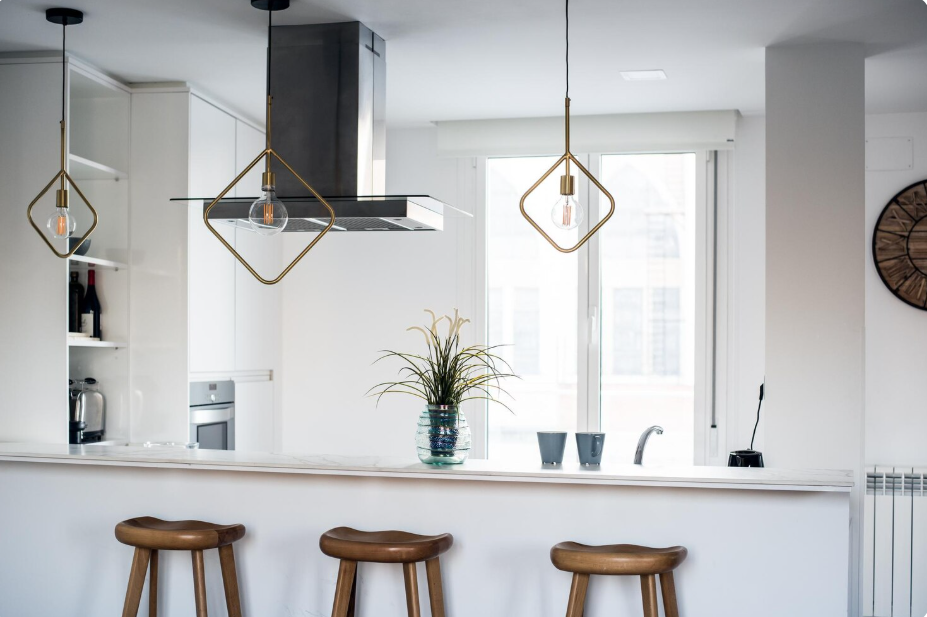
backless counter height bar stool: Stylish, Space-Saving, and Comfortable Seating Ideas for Modern Kitchens
A backless counter height bar stool is a simple and practical seating choice for modern kitchens, breakfast counters, islands, and casual dining areas. Its compact design allows the stool to slide neatly beneath a counter when it is not being used, helping maintain a clean and open appearance. Unlike stools with tall backs, backless designs create less visual bulk and can work particularly well in smaller or open-plan spaces. For a standard counter around 36 inches high, a seat height of approximately 24–26 inches is commonly recommended. Why Choose a Backless Counter Height Bar Stool? Backless stools combine practical seating with a minimalist appearance. They are especially useful when you want seating that does not dominate the kitchen or block sightlines between connected rooms. Key Benefits Because there is no backrest, these stools can often be stored almost completely underneath the counter, making them a practical option for busy kitchens. What Is Counter Height for a Bar Stool? Choosing the correct height is one of the most important parts of buying a stool. A stool that is too tall can make your knees feel cramped, while one that is too short can make eating or working uncomfortable. For most standard kitchen counters measuring about 34–37 inches high, a 24–26-inch seat is a common choice. Taller bar surfaces around 40–42 inches generally require a 28–30-inch seat. Surface Type Approx. Surface Height Recommended Seat Height Dining table 28–30 inches 17–19 inches Standard kitchen counter 34–37 inches 24–26 inches Bar-height counter 40–42 inches 28–30 inches Extra-tall surface 44–47 inches 33–36 inches A useful starting point is to leave around 10–12 inches between the top of the stool seat and the underside of the counter. Always measure the actual space because countertops, support brackets, and aprons can reduce available legroom. Best Places to Use Backless Counter Stools Kitchen Islands Kitchen islands are one of the most common locations for backless counter stools. Their compact shape keeps the island visually open while providing convenient seating for breakfast, coffee, homework, or casual meals. Breakfast Bars A backless stool can fit neatly beneath a breakfast bar without making the area feel crowded. This is particularly useful in smaller kitchens where every inch of floor space matters. Small Apartments Backless stools are excellent for apartments and compact homes because they can disappear beneath the counter when not in use. Open-Plan Kitchens In an open-plan room, bulky furniture can interrupt the visual connection between the kitchen and living area. Backless seating helps maintain cleaner sightlines. Popular Styles and Materials A backless counter stool does not have to look plain. There are many materials and designs available. Wooden Backless Stools Wood provides warmth and works especially well with farmhouse, traditional, Scandinavian, and coastal interiors. Oak, walnut, and other natural finishes can add character to a kitchen. Metal Counter Stools Metal stools are a good option for modern and industrial spaces. Powder-coated steel can provide a durable finish, while sleek metal designs create a contemporary appearance. Upholstered Stools Padded or upholstered seats can make backless stools more comfortable. Neutral fabric, faux leather, and textured upholstery can complement a wide variety of kitchen designs. Woven and Natural-Fiber Stools Woven seats can introduce texture and a relaxed feeling. They are particularly attractive in coastal, bohemian, and casual interiors. Backless vs. Backed Counter Stools The choice between a backless and backed stool depends on how you plan to use it. A backless stool is generally better when space-saving, easy storage, and a minimalist appearance are priorities. It can slide underneath the counter and keep the room visually open. A backed stool provides additional support and may be more comfortable for long meals or extended periods of sitting. However, it requires more space behind the seat and creates a larger visual presence. For quick meals and casual seating, backless stools can be an excellent solution. For long work sessions or extended dining, a supportive backrest may be worth considering. Stationary or Swivel Backless Stool? Backless stools are available in both stationary and swivel versions. Stationary Stools Stationary stools are simple, stable, and often have a traditional four-leg design. They are a good choice for households that want straightforward seating. Swivel Stools Swivel models allow users to rotate without moving the entire stool. This can make getting into and out of the seat easier, particularly around a busy kitchen island. How to Choose the Right Backless Stool Before buying, consider several important factors. 1. Measure Your Counter Measure from the floor to the top of the counter and also check the underside for brackets, drawers, or other obstructions. 2. Check the Seat Height Do not rely only on labels such as “counter height.” Compare the actual seat measurement with your counter height. 3. Consider Seat Width Make sure the seat is wide enough for comfortable sitting while allowing enough room for neighboring stools. 4. Look for a Footrest A footrest can improve comfort, especially when sitting at a higher counter. It gives your feet a stable place to rest instead of leaving them unsupported. 5. Check Stability and Weight Capacity Choose a sturdy construction appropriate for everyday use. Always check the manufacturer’s weight rating before purchasing. Styling Ideas for Modern Kitchens Backless stools can become an attractive part of your kitchen design when their finish complements the surrounding furniture. Try these combinations: You can also mix textures without matching every piece of furniture exactly. A natural wood island paired with upholstered stools, for example, can create a balanced and inviting appearance. Common Mistakes to Avoid Avoid these common mistakes when choosing backless counter stools: Correct spacing is especially important when installing several stools along one island. Give each person enough room to sit comfortably without bumping into neighboring seats. Final Thoughts A backless counter height bar stool can provide an excellent combination of style, convenience, and space efficiency. Its streamlined shape makes it especially useful for modern kitchens, small apartments, breakfast bars, and open-plan interiors. The most important step is choosing the correct height. For
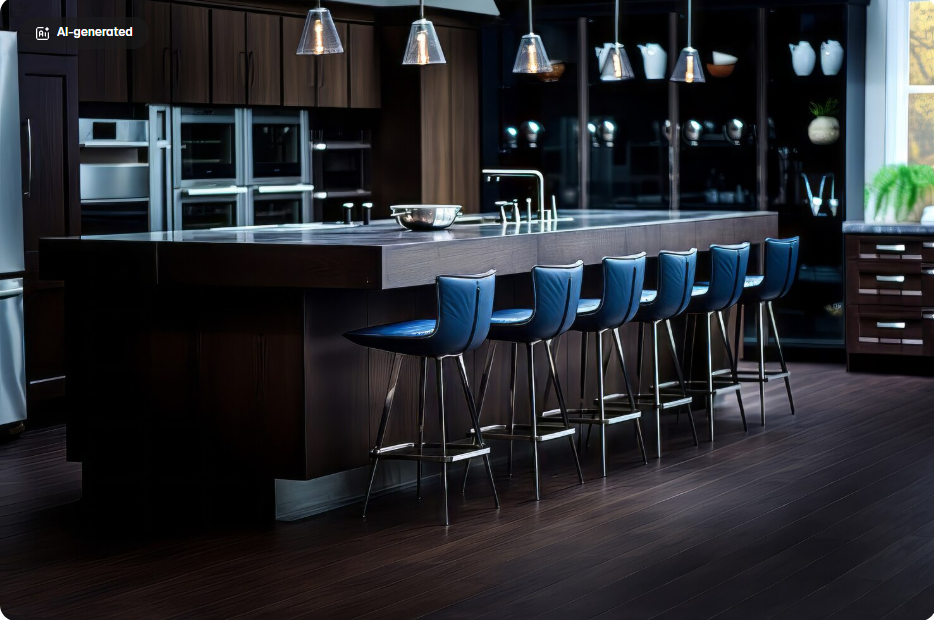
bar stools with adjustable height: Stylish, Comfortable, and Flexible Seating for Modern Kitchens and Home Bars
Bar stools with adjustable height are a practical choice for kitchens, home bars, breakfast counters, workspaces, and other areas where flexible seating is useful. Unlike fixed-height stools, adjustable models allow you to raise or lower the seat to create a more comfortable position. Many adjustable bar stools use a gas-lift mechanism that allows smooth height changes with a lever. Some also include 360-degree swivel seats, footrests, padded cushions, and supportive backs. This combination makes them useful for households where different people use the same seating area. Why Choose Adjustable Bar Stools? The main advantage of an adjustable stool is flexibility. Instead of purchasing different stools for different surfaces, one adjustable model can often accommodate a useful range of heights. Key Benefits Adjustable stools are particularly useful when the seating area is used by people of different heights or when you are uncertain about the exact stool height needed. How Adjustable Bar Stools Work Most modern adjustable bar stools use a pneumatic gas-lift system. A lever underneath the seat controls the mechanism, allowing the seat to move upward or downward. Some other designs use screw mechanisms or preset height positions. Gas-lift stools are popular because they generally allow quick and smooth adjustment. When selecting a model, look at the entire adjustment range rather than simply choosing a product labeled “adjustable.” Different stools can have significantly different minimum and maximum seat heights. Choosing the Right Adjustable Height Height is one of the most important factors when selecting a bar stool. For a standard kitchen counter around 34–36 inches high, a seat height around 24–27 inches is commonly appropriate. Taller bars around 40–42 inches generally work with seats around 28–30 inches. The ideal choice also depends on the underside of the counter and available legroom. Surface Type Approx. Surface Height Typical Seat Height Dining surface 28–30 inches 17–19 inches Kitchen counter 34–36 inches 24–27 inches Home bar 40–42 inches 28–30 inches Extra-tall surface 44–47 inches 33–36 inches A general guideline is to maintain around 9–12 inches between the top of the seat and the underside of the counter or bar. Always measure your actual furniture before purchasing. Adjustable Bar Stools for Kitchen Islands Kitchen islands are one of the most popular places to use adjustable stools. They can provide seating for breakfast, casual meals, homework, conversations, or working from a laptop. A swivel adjustable stool can be especially convenient because users can turn toward the kitchen, dining area, or another person without moving the entire stool. For smaller kitchens, backless designs can provide a cleaner appearance and may slide underneath the countertop when not being used. Adjustable Stools for Home Bars A home bar usually has a taller surface than a standard kitchen counter. This makes adjustable bar stools useful because you can fine-tune the seat height instead of relying entirely on a fixed measurement. For a dedicated home bar, consider stools with: A properly positioned footrest can make taller seating significantly more comfortable. Popular Styles and Materials Adjustable bar stools are available in many designs, making it easy to find an option that fits your décor. Modern Metal Stools Metal frames with padded or upholstered seats can create a sleek contemporary appearance. Black, chrome, and brushed-metal finishes work well in modern kitchens. Faux Leather Stools Faux leather provides a polished appearance and can be relatively easy to wipe clean, making it practical for kitchen environments. Fabric Upholstered Stools Fabric can add warmth and softness. Neutral colors such as beige, gray, cream, and brown can complement a wide range of interiors. Wood and Metal Designs Combining a wooden seat with a metal base creates a balanced look that works well with modern, industrial, farmhouse, and transitional interiors. Adjustable Stools With or Without Backs The choice between a backed and backless stool depends on how you intend to use it. Stools With Backs A backrest provides additional support and can be more comfortable when people sit for extended periods. They are a good choice for kitchen islands used for meals and longer conversations. Backless Stools Backless designs are compact and visually lighter. They can often be pushed completely beneath the counter, making them useful in smaller rooms. What to Look for Before Buying A stylish appearance should not be the only consideration. Check the Height Range Make sure the stool’s minimum and maximum height actually work with your counter or bar. Consider Stability A strong base is essential. Look for a design that remains stable when the seat is raised to its highest setting. Check Weight Capacity Always review the manufacturer’s stated weight capacity and choose a model appropriate for everyday use. Look at the Footrest A comfortable footrest provides support and can make a major difference when sitting at a taller counter. Consider the Seat Think about seat width, cushioning, upholstery, and shape. If the stools will be used daily, comfort should be a priority. Common Mistakes to Avoid Before purchasing adjustable bar stools, avoid these common mistakes: Measuring first can prevent one of the most common furniture-buying problems: a stool that looks perfect but does not fit the counter comfortably. Final Thoughts Bar stools with adjustable height offer an excellent combination of flexibility, comfort, and style. They can adapt to different users and surfaces, making them especially useful in modern kitchens, home bars, workspaces, and multi-purpose rooms. Before buying, measure your counter or bar, check the stool’s adjustment range, and consider comfort, stability, materials, and design. A well-chosen adjustable stool can provide practical seating while adding a stylish finishing touch to your space. Frequently Asked Questions What are bar stools with adjustable height used for? They are commonly used with kitchen counters, islands, home bars, breakfast areas, workspaces, and other raised surfaces where flexible seating height is useful. What height should an adjustable bar stool be? For a typical 34–36-inch counter, a seat around 24–27 inches is common. For a 40–42-inch bar, around 28–30 inches is generally suitable. Are adjustable bar stools comfortable? They can be very comfortable when properly adjusted.
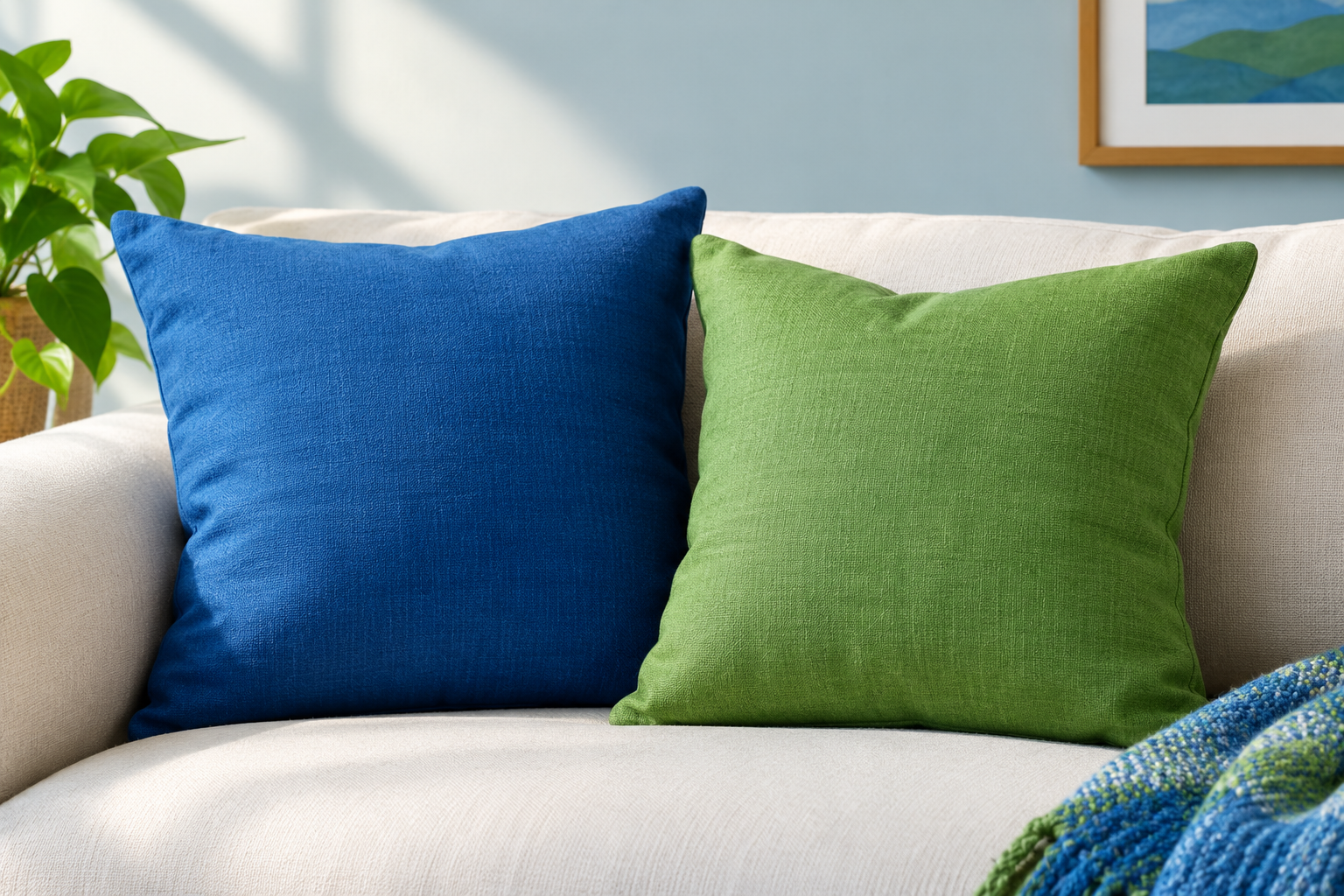
Blue and Green Pillows: Stylish, Fresh, and Comfortable Décor Ideas for Every Modern Home
Blue and Green Pillows The right decorative accessories can completely change the look and atmosphere of a room. Among the easiest ways to refresh a living space, pillows offer an affordable and flexible solution. With their combination of calming blue and refreshing green tones, decorative pillows can introduce color, personality, comfort, and visual balance to almost any interior. Blue is often associated with calmness, freshness, and sophistication, while green brings natural character and a connection to the outdoors. When these two colors are combined thoughtfully, they can create a relaxing and stylish environment that works across a variety of decorating styles. Whether you are updating a living room sofa, creating a cozy bedroom, styling an accent chair, or refreshing an outdoor seating area, choosing the right pillow colors and textures can make your space feel more complete. Why Choose Blue and Green Pillows for Home Décor? Blue and green are naturally complementary colors because both are frequently found in nature. Think of ocean water, leafy landscapes, blue skies, and botanical gardens. Bringing similar colors into your home can create a peaceful and inviting atmosphere. Key Benefits The key is selecting shades that complement the existing colors in your room. Popular Blue and Green Color Combinations Not every blue and green combination creates the same mood. Light shades can make a room feel airy, while deeper tones can create a more dramatic and sophisticated appearance. Color Combination Guide Blue Shade Green Shade Overall Mood Navy Blue Forest Green Rich and sophisticated Sky Blue Sage Green Light and relaxing Teal Blue Olive Green Modern and earthy Powder Blue Mint Green Soft and refreshing Royal Blue Emerald Green Bold and luxurious Dusty Blue Moss Green Natural and understated Choosing colors from the same intensity level can create a more coordinated appearance. Blue and Green Pillows for the Living Room The living room is one of the best places to experiment with colorful decorative pillows. A neutral sofa in beige, gray, cream, white, or brown can provide an excellent background for blue and green accents. Instead of using pillows that all look exactly the same, combine different shades, patterns, and textures. Living Room Styling Ideas Neutral sofa:Add navy, sage, and cream pillows for a sophisticated arrangement. Gray sofa:Combine teal and muted green pillows with subtle geometric patterns. White sofa:Use brighter blue and green shades to create contrast. Brown sofa:Earthy greens and deep blues can complement warm wood and leather tones. Choosing the Right Pillow Size Pillow size can influence the overall appearance of your furniture. Mixing several sizes often creates a more layered and comfortable look. Common Pillow Sizes Size Best Use 16–18 inches Accent chairs and smaller sofas 20 inches Standard sofa styling 22–24 inches Larger sofas and layered arrangements Lumbar Back support and visual variation Oversized Large sectionals and spacious seating For a balanced arrangement, combine larger pillows at the back with smaller decorative pillows toward the front. Mixing Patterns and Textures Using only solid-colored pillows can sometimes make an arrangement look flat. Adding different textures and subtle patterns creates depth. Consider combining: A Simple Pattern Rule If you are using several pillows together, avoid choosing patterns that all compete for attention. For example, combine one larger pattern with one smaller pattern and one or two solid-colored pillows. This creates visual variety without overwhelming the furniture. Blue and Green Pillows for a Modern Interior Modern interiors often use simple furniture and neutral backgrounds. Blue and green pillows can introduce color while maintaining a clean appearance. For a contemporary room, consider: Choose simple geometric patterns or textured solids for a refined appearance. Minimalist rooms generally benefit from fewer pillows with carefully selected colors. Creating a Coastal-Inspired Look Blue and green are excellent choices for coastal-inspired interiors. Soft blue can reflect the appearance of sky and water, while pale green introduces a natural element. Coastal Color Ideas Pair these colors with natural materials such as rattan, light wood, woven baskets, and linen fabrics. The result can feel relaxed without becoming overly themed. Using Blue and Green Pillows in a Bedroom Decorative pillows can also enhance the appearance of a bedroom. Place them in front of standard sleeping pillows or arrange them against the headboard. Blue and green shades can work especially well with neutral bedding. Bedroom Combinations White bedding + sage and blue:Creates a soft and refreshing appearance. Beige bedding + olive and navy:Produces a warm and sophisticated look. Gray bedding + teal and muted green:Adds contemporary color and depth. Cream bedding + dusty blue and eucalyptus green:Creates a calm and natural atmosphere. Avoid using too many contrasting shades if you want the bedroom to remain relaxing. Choosing the Right Fabric The material of a pillow can change both its appearance and comfort. Popular Pillow Fabrics Velvet:Provides a soft, luxurious texture and works well with deeper shades such as emerald and navy. Linen:Creates a relaxed and natural appearance. Cotton:Versatile, comfortable, and suitable for everyday use. Woven fabric:Adds texture and works especially well in rustic and bohemian interiors. Bouclé:Offers a soft, tactile appearance and can be used to balance stronger colors. Choose fabrics based on how frequently the pillows will be used and how much maintenance you prefer. Blue and Green Pillows With Neutral Furniture Neutral furniture provides a flexible foundation for colorful accessories. If your sofa or bed is beige, gray, white, or cream, blue and green pillows can become the main decorative accents. Neutral Furniture Pairing Guide Furniture Color Recommended Blue Recommended Green White Navy or sky blue Sage or emerald Beige Dusty blue Olive Gray Teal or navy Moss green Brown Deep blue Forest green Cream Powder blue Soft green Black Bright blue Emerald This approach allows you to update the appearance of the room without replacing larger furniture pieces. Seasonal Decorating With Blue and Green One of the advantages of decorative pillows is that they can be changed throughout the year. Spring Use lighter greens, mint, soft blue, and botanical patterns. Summer Try aqua, turquoise, seafoam, and brighter greens for
Black and White Throw Pillow: A Stylish and Versatile Home Decor Choice
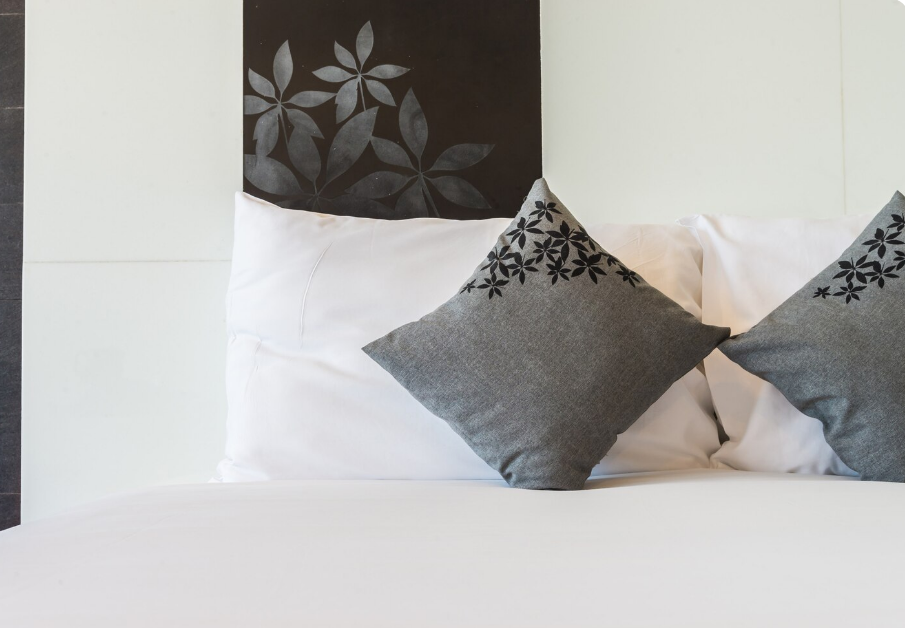
A black and white throw pillow can instantly refresh the appearance of a room without requiring a major furniture change or expensive renovation. The classic combination of black and white works across many interior styles, from modern and minimalist spaces to farmhouse, contemporary, Scandinavian, and traditional homes. Because these two colors create a strong visual contrast, they can add character to a sofa, bed, accent chair, bench, or reading corner. Whether you want a bold geometric design or a simple textured cushion, black and white pillows provide an easy way to introduce pattern, depth, and personality into your home. Why Black and White Remain Popular in Interior Design Black and white are among the most adaptable colors in home decoration. Black can provide visual depth and definition, while white creates brightness and a sense of openness. Together, they create a balanced combination that can work as either a subtle accent or a strong focal point. One of the biggest advantages of this color combination is its ability to complement other colors. A black and white pillow can be placed in a room featuring beige, gray, brown, blue, green, or even brighter accent colors without looking out of place. The combination also has a timeless quality. Trends in interior design change frequently, but neutral colors tend to remain useful for many years. Choosing versatile accessories can make it easier to update a room without replacing everything when your decorating preferences change. Choosing the Right Pillow Design The design of a pillow can dramatically influence how it looks in a room. Some styles are understated, while others immediately attract attention. Geometric patterns are popular for contemporary interiors. Stripes, squares, diamonds, triangles, and abstract shapes can add structure to a plain sofa or bed. For a softer appearance, consider pillows featuring subtle patterns, woven textures, small dots, or organic shapes. These designs provide visual interest without dominating the rest of the room. Typography and graphic designs can create a more casual appearance, although they should be selected carefully so that the pillow complements the surrounding decor. For traditional or farmhouse interiors, patterns such as checks, simple stripes, or classic woven designs can provide warmth and character. How to Match a Throw Pillow With a Sofa A pillow should complement the sofa rather than compete with it. Before selecting one, consider the sofa’s color, material, shape, and overall style. A neutral sofa provides considerable flexibility. Black and white pillows can create contrast against cream, beige, gray, or light-colored upholstery. On a darker sofa, a predominantly white pillow can brighten the arrangement, while black patterns can add definition. If the sofa already contains several patterns, a simpler pillow may create better balance. Conversely, a plain sofa can benefit from a stronger geometric or graphic pattern. Size also matters. Large sofas generally look better with a combination of larger and smaller cushions, while compact seating may look crowded if too many oversized pillows are added. Using Black and White Pillows on a Bed Throw pillows are not limited to living rooms. They can also enhance bedrooms by adding layers and texture to bedding. A white or neutral bedspread provides an excellent background for black and white decorative pillows. A few patterned cushions can create a polished appearance without changing the main bedding. Layering different sizes can make the arrangement look more intentional. Larger pillows can be placed toward the back, followed by medium decorative cushions and a smaller accent pillow near the front. Texture is particularly useful in bedrooms. Combining smooth cotton, woven fabric, velvet, linen, or boucle-style materials can make a monochromatic arrangement feel more interesting. Popular Patterns to Consider There are many black and white patterns available, and each creates a different visual effect. Stripes are simple and versatile. Vertical stripes can create a sense of height, while horizontal stripes may create a wider visual impression. Checkerboard patterns have a bold and contemporary appearance. They can work especially well in modern rooms where strong geometric details are already present. Abstract patterns are useful for homeowners who want something artistic without committing to bright colors. Floral patterns can soften the contrast between black and white. Depending on the design, they can work in traditional, modern, or transitional spaces. Animal-inspired patterns can introduce a playful or dramatic element, while subtle woven patterns offer a more understated option. Choosing the Right Fabric Fabric affects both appearance and practicality. A pillow that looks attractive in a photograph may not be the best choice for a frequently used sofa if the material is difficult to maintain. Cotton is popular because it is comfortable, versatile, and available in many patterns. Linen offers a relaxed and natural appearance that works well in casual interiors. Velvet creates a richer and more luxurious appearance. It can be particularly effective when used as an accent among simpler fabrics. Woven materials can add texture and visual depth. They are useful when you want to keep the color palette simple while preventing the room from looking flat. For homes with children or pets, durability and easy cleaning may be more important than decorative appearance. In these situations, removable and washable covers can be especially practical. How Many Throw Pillows Should You Use? There is no single correct number of throw pillows. The ideal quantity depends on the furniture size, room style, and personal preference. A minimalist room may look better with only two or three carefully selected pillows. A larger sectional can accommodate several cushions arranged in different sizes and patterns. The key is balance. Too few pillows may make a large sofa feel unfinished, while too many can reduce usable seating space. Instead of selecting every pillow in the same pattern, consider combining a dominant pattern with smaller or simpler designs. This creates variation without making the arrangement visually chaotic. Creating Contrast With Other Colors Black and white pillows can be used as part of a larger color scheme. You do not need to keep the entire room black and white. For example, adding

MCM Bedroom Set: A Complete Guide to Creating a Stylish Mid-Century Modern Bedroom
A well-designed bedroom should provide both comfort and visual balance, and a mcm bedroom set can bring a distinctive Mid-Century Modern character to the space. Known for clean lines, practical forms, natural materials, tapered legs, and understated details, Mid-Century Modern furniture remains popular because it can create a bedroom that feels sophisticated without appearing overly formal. A coordinated bedroom set can also make furniture selection easier by bringing several pieces together around a consistent design language. Whether you are furnishing a new bedroom, updating an existing space, or trying to create a more cohesive interior, understanding the characteristics of MCM furniture can help you choose pieces that work well together. The right combination of a bed, nightstands, dresser, chest, and other furnishings can create a balanced room while maintaining the simplicity associated with Mid-Century Modern design. What Does MCM Mean in Furniture Design? MCM is commonly used as an abbreviation for Mid-Century Modern. The design movement is associated with furniture and interiors developed and popularized around the middle of the twentieth century. The style emphasizes functionality, simplicity, and thoughtful construction. Furniture typically avoids excessive ornamentation and instead relies on proportions, materials, curves, and geometric forms for visual interest. In a bedroom, these characteristics can create an environment that feels uncluttered and comfortable. What Is an MCM Bedroom Set? An MCM bedroom set is a collection of bedroom furniture designed around Mid-Century Modern styling. A typical set may include a bed frame, one or two nightstands, a dresser, and a matching mirror or chest. Some sets contain only a few essential pieces, while larger collections can include additional storage furniture. Buying coordinated pieces can make it easier to maintain a consistent appearance, although individual MCM-inspired pieces can also be combined to create a more personalized room. Key Characteristics of Mid-Century Modern Bedroom Furniture Several characteristics are commonly associated with MCM bedroom furniture. Clean horizontal and vertical lines are frequently used, while tapered legs give furniture a lighter visual appearance. Wood grain is often visible, particularly on dressers and nightstands. Hardware tends to be simple and functional rather than highly decorative. Some pieces incorporate recessed pulls, small knobs, or elongated handles. The overall design usually emphasizes proportion and usability rather than elaborate decoration. Choosing the Right Bed The bed is usually the visual centerpiece of a bedroom, so it plays an important role in establishing the design. An MCM-style bed may feature a wooden frame, tapered legs, a simple upholstered headboard, or a low-profile silhouette. Wooden beds can emphasize the natural-material aspect of Mid-Century Modern design. Upholstered versions can provide additional softness while maintaining clean lines. The size of the room should also influence the choice. A large bed with a substantial headboard may overwhelm a smaller space, while a simple platform-style bed can create a more open appearance. Selecting Nightstands Nightstands should complement the bed without making the room feel crowded. A typical Mid-Century Modern nightstand may feature one or more drawers, tapered legs, and a simple wooden finish. Consider the height of the nightstand in relation to the mattress. A surface that is approximately level with the mattress can be convenient for lamps, books, glasses, and other nighttime essentials. Storage requirements should also influence the choice. A minimalist nightstand may look attractive but provide limited space for personal items. Choosing a Dresser A dresser combines storage with visual impact. MCM dressers often feature wide horizontal proportions and multiple drawers. Because the dresser can be a large piece of furniture, its dimensions should be measured carefully before purchase. Wood tone is particularly important because the dresser may become one of the most noticeable elements in the room. If the bedroom already contains several wood finishes, choosing a dresser with a compatible tone can help maintain visual harmony. The Role of a Chest of Drawers A tall chest can provide additional storage without requiring as much floor width as a large horizontal dresser. This can be useful in bedrooms where floor space is limited. A chest of drawers can also provide vertical visual interest while maintaining the clean aesthetic of Mid-Century Modern furniture. Before choosing one, consider drawer depth, stability, dimensions, and how frequently the stored items will be accessed. Materials Commonly Used in MCM Furniture Wood is one of the most recognizable materials associated with Mid-Century Modern furniture. Walnut, teak, oak, and other wood finishes can provide warmth and natural texture. Some modern reproductions use engineered wood, veneers, metal, or combinations of materials. The material should be evaluated not only for appearance but also for durability and maintenance requirements. Natural wood surfaces may require different care from laminate or veneered furniture. Understanding Wood Finishes The finish can dramatically influence the appearance of an MCM bedroom set. Warm medium-toned woods can create a classic Mid-Century atmosphere, while lighter finishes can make the bedroom feel more contemporary. Dark finishes can provide stronger contrast against lighter walls and bedding. Rather than trying to match every wooden item exactly, homeowners can choose finishes that share compatible undertones. Color Schemes for an MCM Bedroom Mid-Century Modern bedrooms can work with many different color palettes. Neutral walls combined with natural wood furniture create a calm and versatile foundation. Warm accent colors can add personality without overwhelming the furniture. Muted greens, earthy tones, warm oranges, soft blues, and other restrained colors can complement natural wood. The bedding, artwork, rug, and curtains can introduce color while keeping the main furniture relatively simple. Lighting Choices Lighting can enhance the architectural and furniture characteristics of an MCM bedroom. Table lamps with simple geometric shades can complement nightstands, while pendant lights or floor lamps can provide additional illumination. Warm, comfortable lighting often works well in bedrooms because it creates a relaxing atmosphere. Layered lighting is useful because it allows the room to serve different purposes. General lighting can illuminate the entire room, while bedside lamps provide focused light for reading. Choosing Bedding Bedding can either reinforce or soften the Mid-Century Modern style. Simple geometric patterns, solid colors, and restrained textures generally
Coffee Table With Matching End Tables: Stylish and Practical Living Room Ideas
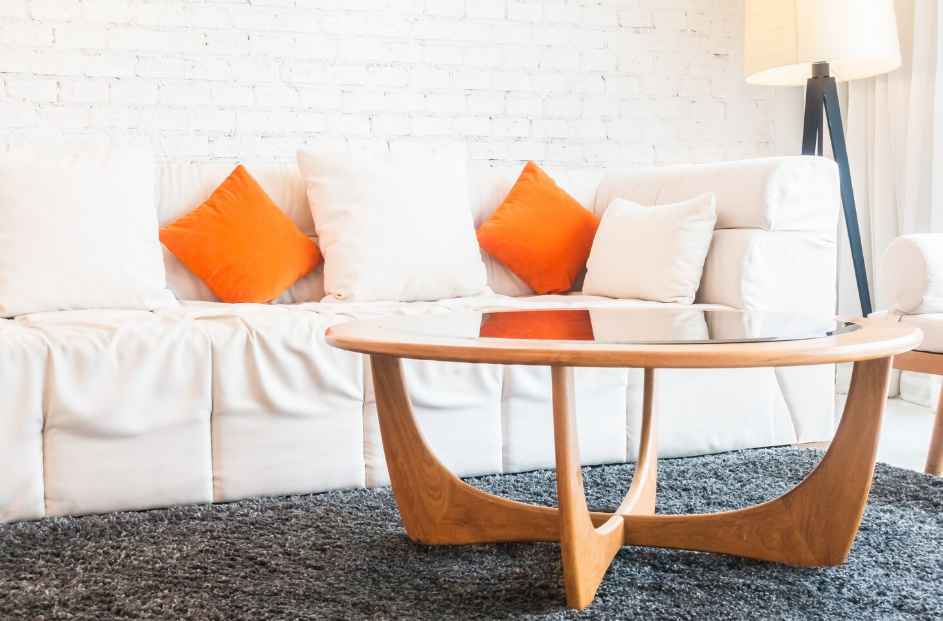
A coffee table with matching end tables can create a coordinated and polished look in a living room while providing useful surfaces for everyday activities. A well-matched table set can bring together a sofa, chairs, lighting, decorative accessories, and other furniture without making the room feel overly designed. Whether the space has a traditional, contemporary, farmhouse, minimalist, or transitional style, choosing complementary tables can improve both appearance and functionality. Coffee tables and end tables serve different purposes, but using pieces with related materials, finishes, shapes, or design details can create visual consistency. The right combination can provide convenient places for drinks, books, lamps, remotes, plants, and decorative objects while helping define the seating arrangement. Understanding size, proportion, material, and placement makes it easier to select a set that suits the room. Why Choose Matching Living Room Tables? Matching furniture creates a sense of continuity. When a coffee table and end tables share similar design characteristics, they can make separate pieces of furniture appear like part of a cohesive collection. This does not necessarily mean that every detail needs to be identical. Tables can coordinate through a common wood tone, metal finish, shape, or decorative element. Slight variations can add interest while maintaining a unified appearance. A coordinated set can also simplify furniture selection because the basic design relationship has already been established. Choosing the Right Coffee Table Size The coffee table should be proportional to the seating area. A table that is too small may look disconnected from the sofa, while an oversized table can make movement around the room difficult. Consider the length of the sofa, the available walking space, and the position of nearby chairs before selecting a table. There should generally be enough space for people to move comfortably between the table and seating. The height is also important. A coffee table that is approximately level with the sofa seat or slightly lower often creates a comfortable visual and functional relationship. Selecting Matching End Tables End tables should complement the coffee table without overwhelming the room. Their size depends on where they will be placed and what they need to hold. An end table beside a sofa can provide space for a table lamp, drink, book, or small decorative item. If the sofa has two ends, matching tables on both sides can create symmetry. In smaller rooms, one end table may be enough. The goal should be to provide useful surfaces without filling every available area with furniture. Matching Does Not Mean Identical A coordinated living room does not always require identical furniture pieces. In fact, using related but slightly different tables can create a more natural and sophisticated appearance. For example, a coffee table may have a rectangular top while the end tables use smaller square tops. The pieces can still coordinate through the same wood finish and metal accents. This approach gives the room consistency while preventing it from looking like a showroom display. Choosing the Right Material Wood is one of the most versatile materials for coffee and end tables. It works well with traditional, rustic, farmhouse, transitional, and contemporary interiors. Glass can create a lighter appearance and can be useful in smaller rooms because its transparent surface does not visually dominate the space. Metal tables can introduce an industrial or modern character. Combining metal frames with wood or glass tops can provide contrast and visual interest. Stone and marble surfaces can add a more luxurious appearance, although they may require additional care. Wood Finishes for a Warm Look Wooden tables can make a living room feel warm and inviting. Oak, walnut, maple, pine, and other finishes can create different visual effects. A dark wood set can provide a sophisticated appearance, while lighter wood can make a room feel more casual and airy. The tables do not necessarily need to match every other wooden element in the room exactly. Coordinating undertones and finishes can often produce a more natural result than attempting to make everything identical. Modern Coffee Table and End Table Sets Modern interiors often benefit from clean lines, simple shapes, and restrained detailing. A rectangular coffee table paired with compact square or round end tables can create an organized appearance. Metal frames, glass tops, smooth wood surfaces, and neutral finishes can work particularly well in contemporary rooms. Avoid selecting too many decorative details when the surrounding furniture already contains strong visual elements. Simple tables can help maintain balance. Traditional and Classic Table Sets Traditional interiors often benefit from richer wood finishes, curved edges, turned legs, decorative details, and classic silhouettes. A rectangular or oval coffee table can be paired with end tables featuring related detailing. Lamps, upholstered seating, curtains, and accessories can then reinforce the traditional style. The important consideration is proportion. Decorative furniture can quickly make a room feel crowded if the pieces are too large for the available space. Farmhouse and Rustic Styles Farmhouse and rustic rooms often work well with natural wood, distressed finishes, simple construction, and practical shapes. A substantial wooden coffee table can be paired with smaller end tables that feature matching or complementary finishes. Woven baskets, neutral textiles, ceramic accessories, and natural greenery can reinforce the relaxed character of the room without competing with the furniture. Small Living Room Considerations Smaller rooms require careful attention to scale. Large matching table sets can reduce walking space and make a compact room feel crowded. A narrow coffee table can provide useful surface space while leaving more room around the seating area. Round tables can also make circulation easier because they eliminate sharp corners. End tables with shelves or drawers can provide additional storage without requiring separate cabinets. Large Living Room Ideas Large living rooms often benefit from furniture that has enough visual weight to fill the space. A larger coffee table can anchor a spacious seating arrangement. Matching end tables can then establish balance on either side of a sofa or sectional. In very large rooms, additional seating zones may require more than one table arrangement. However,