
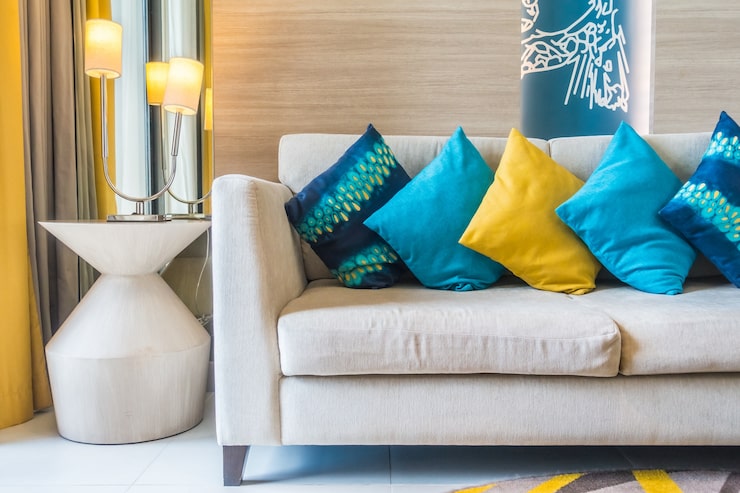
Blue and green pillows can bring a refreshing combination of color, comfort, and natural character to almost any living space. These two colors work particularly well together because they are commonly associated with water, nature, sky, and greenery. Depending on the shades and patterns selected, the combination can create anything from a calm coastal atmosphere to a rich botanical look or a sophisticated contemporary setting. Decorative pillows are also an easy way to update furniture without replacing larger pieces, making them a practical choice for seasonal decorating and everyday home styling.
Why Blue and Green Work Well Together
Blue and green sit close to each other on the color wheel, which allows them to create a naturally harmonious combination. Cool blue can provide a sense of calm, while green can introduce an organic and refreshing quality.
The overall effect depends heavily on the specific shades. Pale blue with sage green can feel soft and understated, while navy and emerald can create a richer and more dramatic appearance.
Because both colors are available in countless shades, they can be adapted to different decorating styles and room sizes.
Choosing the Right Shades
Shade selection is one of the most important parts of creating a successful blue and green pillow arrangement. Light blue and soft green are suitable for airy interiors and rooms where a relaxed atmosphere is desired.
Navy blue paired with forest or emerald green creates stronger contrast and works well in sophisticated spaces.
Teal and turquoise can provide a vibrant appearance, especially when combined with lighter green accents. Muted blue and olive green can create a warmer, more earthy look.
Consider the colors already present in the room before selecting pillows so that the new accessories feel connected to the existing design.
Popular Blue and Green Pillow Patterns
Patterns can add personality while helping multiple pillows feel coordinated. Botanical prints are a natural choice because leaves and foliage already connect green with nature.
Geometric designs can provide a modern appearance, while stripes create a classic and structured look.
Floral patterns can introduce softness, and abstract designs can add a more artistic quality.
If several patterned pillows are being used together, vary the scale of the patterns. Combining one larger print with smaller or simpler designs can help prevent visual overload.
Choosing the Right Fabric
Fabric influences both the appearance and comfort of decorative pillows. Cotton and linen are suitable for casual spaces and warm-weather decorating because they have a light and natural appearance.
Velvet can make deep blue and green shades appear richer and more luxurious. Chenille and woven fabrics can provide softness and texture in family rooms.
Embroidered or textured pillows can add visual interest even when their colors are relatively simple.
Choose materials according to how the pillows will be used. Decorative pillows in frequently used areas should generally be comfortable and durable.
Blue and Green Pillows for the Living Room
The living room is one of the easiest places to introduce blue and green through decorative cushions. A neutral sofa provides an excellent background because it allows the colors to stand out.
On a white or cream sofa, blue and green pillows can create a fresh and bright appearance. Gray furniture can support deeper shades such as navy, teal, and forest green.
Wood furniture also pairs naturally with this color combination because natural wood tones help connect the cool colors with an earthy environment.
A coordinated throw blanket or rug can further connect the colors throughout the room.
Decorating a Bedroom With Blue and Green
Blue and green can create a peaceful bedroom environment when softer shades are selected. Pale blue combined with sage, mint, or muted green can produce a gentle appearance.
For a more dramatic bedroom, consider navy bedding with emerald or forest green accents.
Pillows can be layered in different sizes to create depth. Larger square cushions can provide a foundation, while smaller decorative pillows can add contrasting patterns or textures.
Keep the arrangement balanced so that the colors enhance the bedroom rather than making it feel overly busy.
Creating a Coastal Look
Blue and green are naturally suited to coastal-inspired interiors. Soft aqua, sea blue, muted turquoise, and light green can evoke the appearance of water and natural landscapes.
Pair these colors with white, cream, pale wood, linen, and woven textures for a relaxed coastal atmosphere.
Avoid using too many nautical symbols if you want a more modern interpretation. Color, texture, and natural materials can communicate the coastal feeling without relying heavily on themed accessories.
Creating a Botanical Atmosphere
Green is strongly associated with plants and foliage, making it an ideal color for botanical-inspired decorating.
Pairing green pillows with blue designs featuring leaves, flowers, or abstract natural forms can create a fresh interior.
Houseplants, wooden furniture, woven baskets, and natural fabrics can strengthen this connection.
A botanical arrangement does not need to be overly colorful. Different shades of green combined with one or two blue accents can create a sophisticated appearance.
Using Blue and Green in Neutral Rooms
Neutral rooms can benefit significantly from blue and green pillows because they introduce color without requiring a major redesign.
A beige, cream, white, or gray sofa can serve as a neutral foundation. Blue and green cushions can then provide controlled bursts of color.
If the room already contains several neutral accessories, choose pillows with different textures to create additional interest.
This approach is especially useful for renters or homeowners who want to refresh a room without changing permanent features.
Mixing Blue and Green With Other Colors
Blue and green can be combined with several additional colors. White and cream provide a clean background, while beige and tan introduce warmth.
Brown and natural wood tones can create an earthy appearance. Gold or brass accents can complement deeper blue and green shades in more sophisticated interiors.
Yellow can provide energetic contrast, while soft gray can help create a quieter and more contemporary palette.
Use additional colors selectively so that the primary blue and green combination remains visually recognizable.
Choosing Pillow Sizes and Shapes
Different sizes can make a pillow arrangement look more layered and intentional. Large square pillows can provide a strong foundation on sofas or beds.
Smaller square cushions can be positioned in front, while lumbar pillows can add a different shape and provide useful back support.
Round or uniquely shaped pillows can work as occasional accent pieces.
The size should always be appropriate for the furniture. Oversized pillows can reduce usable seating space, while very small pillows may disappear visually on large furniture.
Seasonal Decorating With Blue and Green
Blue and green are versatile enough to work throughout the year. Light aqua and soft green can create a spring or summer atmosphere.
During autumn, deeper green can be paired with warm beige, brown, or muted blue. In winter, navy and forest green can provide a richer appearance.
Changing pillow covers instead of replacing entire pillows can make seasonal decorating more practical and economical.
Caring for Decorative Pillows
Care requirements vary according to fabric, filling, and construction. Removable covers are generally easier to maintain because they can be cleaned separately.
Always follow the care instructions provided with the pillow. Some delicate fabrics may require gentle cleaning or professional care.
Regularly removing dust and addressing spills quickly can help preserve the appearance of both light and dark fabrics.
If pillows are exposed to direct sunlight for long periods, consider rotating them periodically to help reduce uneven fading.
Common Decorating Mistakes to Avoid
Using too many unrelated shades can make a blue and green arrangement feel disconnected. Choose a small group of complementary tones instead.
Another common mistake is using patterns of identical scale. Combining large prints with smaller designs generally creates more visual variety.
Avoid filling every piece of furniture with colorful pillows. Leaving some neutral space can make the colors more noticeable.
Finally, consider texture as well as color. A collection of smooth printed fabrics may lack the depth created by combining woven, velvet, linen, or embroidered materials.
Key Points to Remember
Blue and green create a naturally harmonious color combination suitable for many interior styles.
Light shades can create an airy and peaceful atmosphere, while darker tones can add richness and sophistication.
Patterns such as botanical prints, stripes, florals, and geometric designs can add personality.
Different textures can make a pillow arrangement feel more layered and comfortable.
Neutral furniture provides an excellent background for blue and green accessories.
Additional colors such as cream, beige, brown, white, and brass can complement the combination.
Tips for Choosing Blue and Green Pillows
Start by identifying the main colors already present in your room.
Select two or three related shades rather than combining too many unrelated tones.
Mix patterns with solid-color pillows to create visual balance.
Use different textures to make the arrangement more interesting.
Choose pillow sizes that match the scale of the furniture.
Pair deeper shades with warm neutrals when you want a cozy atmosphere.
Use lighter blue and green tones when creating a fresh, relaxed, or coastal-inspired room.
Final Thoughts
Blue and green pillows offer an easy and versatile way to bring color, texture, and personality into a home. Their natural visual relationship makes them suitable for a wide range of decorating styles, while the enormous variety of available shades allows the combination to feel either soft and calming or rich and dramatic. Whether used on a living room sofa, bedroom, accent chair, or reading nook, these colors can refresh an interior without requiring major changes. By balancing shades, patterns, textures, and surrounding neutral colors, homeowners can create a comfortable and coordinated space that feels both stylish and inviting.
Frequently Asked Questions
1. Do blue and green pillows go together?
Yes. Blue and green are closely related colors and can create a harmonious decorative combination. The final appearance depends on the shades, patterns, and textures used.
2. What colors go well with blue and green pillows?
White, cream, beige, gray, brown, natural wood tones, and selected metallic finishes can complement blue and green pillows. Additional colors should be used in moderation.
3. Can blue and green pillows work on a gray sofa?
Yes. Gray provides a neutral background that allows blue and green shades to become visible without creating an overly complicated color scheme.
4. Are blue and green pillows suitable for bedrooms?
Yes. Softer shades such as pale blue, sage, and muted green can create a calm bedroom atmosphere, while navy and deeper green can provide a richer appearance.
5. How many blue and green pillows should I use?
The number depends on the furniture and desired style. Use enough pillows to create balance while leaving sufficient space for comfortable seating or sleeping.
One Comment
[…] Read more: Blue and Green Pillows: Stylish Ideas for a Fresh and Relaxing Home […]