
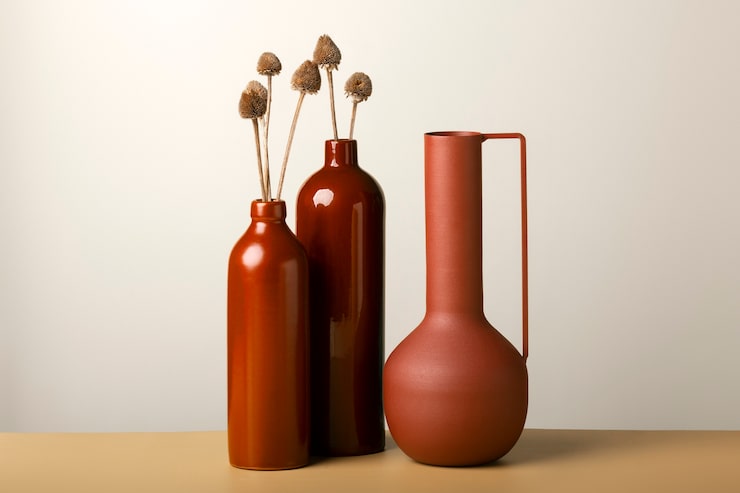
A tall ceramic vase can instantly add height, character, and visual balance to a room without requiring a major change in the overall decor. Its simple structure makes it suitable for modern, traditional, rustic, minimalist, and contemporary interiors. Whether displayed with fresh flowers, dried branches, decorative grasses, or left empty as a statement piece, a tall vase can become an attractive focal point. Because ceramic comes in many colors, finishes, shapes, and textures, homeowners can easily find an option that complements their existing furniture and decorating style.
What Is a Tall Ceramic Vase?
A tall ceramic vase is a decorative container made primarily from ceramic material and designed with greater height than standard tabletop vases. Its elongated proportions make it especially useful for decorating areas where vertical space needs more visual interest.
These vases are commonly placed on floors, console tables, shelves, sideboards, mantels, entryway furniture, or large open surfaces. Depending on their size and construction, some are primarily decorative while others are suitable for holding water and fresh flowers.
Why Tall Vases Are Popular in Home Decor
Height is an important element of interior design because it can help create visual balance. Furniture and decorative accessories are often positioned at different heights, and a tall vase can fill an otherwise empty vertical area.
Ceramic also provides a substantial appearance compared with lightweight decorative materials. A well-designed vase can add texture and personality without making the room feel overcrowded.
Another benefit is versatility. The same vase can be used with different seasonal arrangements or displayed by itself when a simpler appearance is preferred.
Choosing the Right Size
Size should be considered carefully before purchasing a tall vase. A very large vase can dominate a small room, while a narrow vase may look insignificant in a spacious area.
For floor placement, choose a height that complements nearby furniture and leaves enough surrounding space. A vase placed on a console or table should be proportionate to the furniture rather than extending so high that it interferes with artwork, lighting, or other decorative features.
The width also matters. A tall, narrow design creates an elegant vertical effect, while a wider base can provide a stronger and more substantial presence.
Popular Ceramic Vase Shapes
Ceramic vases are available in numerous shapes, allowing homeowners to select a design that matches their preferred aesthetic.
Slim cylindrical vases work well in minimalist interiors. Rounded or bulb-shaped designs can create a softer appearance, while tapered styles offer a more architectural look.
Some vases feature narrow openings that work particularly well with individual branches or tall stems. Others have wider openings that allow fuller floral arrangements.
The silhouette should be considered along with the color and finish because the shape itself can become an important decorative element.
Choosing Colors and Finishes
Color is one of the easiest ways to coordinate a ceramic vase with an existing interior. White, cream, beige, gray, black, and muted earth tones can blend naturally with neutral decor.
For a stronger visual statement, deeper shades or carefully selected accent colors can provide contrast.
Matte finishes tend to create a soft and understated appearance, while glossy ceramic surfaces can reflect light and provide a more polished look. Textured finishes may add additional depth and interest to simple rooms.
When selecting a color, consider the surrounding walls, flooring, furniture, curtains, and decorative accessories.
Tall Ceramic Vases for Modern Interiors
Modern interiors often benefit from clean shapes and restrained decoration. A tall ceramic vase with a simple silhouette can fit naturally into this style.
Neutral colors such as white, charcoal, sand, or warm gray can complement contemporary furniture without competing with stronger design features.
A single vase containing several long branches can provide an organized vertical element. Alternatively, an empty sculptural vase can create interest through its shape alone.
Using Vases in Minimalist Spaces
Minimalist decorating focuses on simplicity, useful objects, open space, and carefully selected details. A tall vase can work particularly well in this environment because one well-chosen piece can have a noticeable impact.
Instead of filling the vase with a large arrangement, consider a few stems or dried branches. Leaving some of the surrounding surface visible can preserve the clean appearance associated with minimalist interiors.
The goal is to make the vase feel intentional rather than excessive.
Decorating With Flowers and Branches
Fresh flowers can transform the appearance of a ceramic vase and introduce natural color into a room. Tall flowers and branches are particularly suitable because they complement the elongated shape.
Dried pampas grass, eucalyptus, reeds, willow branches, and decorative grasses can provide a long-lasting alternative to fresh flowers.
The arrangement should be proportional to the vase. Extremely short stems may make a tall vase appear unbalanced, while excessively large branches can overwhelm the surrounding space.
Using a Vase Without Flowers
A tall vase does not always need an arrangement to look attractive. Many ceramic designs have enough shape, texture, or color to function as standalone decorative objects.
An empty vase can be useful when creating a clean and uncluttered display. This approach works especially well with sculptural ceramic designs.
Displaying the vase alone also makes it easier to change the room’s appearance without regularly purchasing flowers or replacing dried arrangements.
Placement Ideas Around the Home
Entryways are excellent locations for tall ceramic vases because they often contain unused vertical space. A vase placed beside an entry console can create an inviting first impression.
Living rooms may benefit from a vase positioned beside a cabinet, fireplace, sofa, or reading chair. In dining areas, a large vase can add height to a sideboard.
Bedrooms can use smaller versions on dressers or consoles, while spacious hallways can accommodate larger floor-standing designs.
Always leave enough space around the vase so that it does not become a practical obstacle.
Creating Balance With Other Decor
A vase should work with the other objects around it rather than appearing disconnected. Pairing a tall vase with shorter decorative pieces can create an appealing variation in height.
For example, a tall vase can be placed beside books, small bowls, candles, framed artwork, or low decorative objects.
Odd-numbered groupings can sometimes create a naturally balanced display, but the most important consideration is proportion. Avoid filling every available surface with accessories.
Ceramic Vases for Different Interior Styles
Rustic interiors can benefit from textured ceramic vases in earthy shades. Farmhouse rooms may work well with cream or neutral designs, while contemporary spaces can use sleek geometric shapes.
Bohemian interiors can accommodate unusual silhouettes, handmade textures, and warmer colors. Traditional rooms may benefit from classic shapes and refined finishes.
Because ceramic designs vary significantly, it is possible to find a vase that complements almost any decorating theme.
Caring for a Ceramic Vase
Proper care can help maintain the appearance of ceramic decor. Dust can usually be removed with a soft, dry cloth.
If the vase is designed to hold water, empty it regularly and clean the interior to prevent residue from developing. Always check whether the specific finish requires special cleaning.
Ceramic can be durable, but it may crack or break if dropped. Tall and narrow vases should be placed on stable surfaces away from areas where they could easily be knocked over.
Common Decorating Mistakes to Avoid
One common mistake is choosing a vase that is too large for the available space. Scale should always be considered before making a purchase.
Another mistake is selecting a color that clashes with the surrounding decor. A statement piece can provide contrast, but it should still relate visually to the room.
Overfilling the vase can also make the arrangement look crowded. Sometimes fewer branches create a more elegant result.
Finally, avoid placing fragile ceramic pieces in high-traffic areas where they can easily be bumped.
Key Points to Remember
A tall ceramic vase can introduce height, texture, and visual interest to a room.
Its size and shape should be proportional to the furniture and available space.
Neutral ceramic colors are versatile, while stronger colors can create an intentional accent.
Fresh flowers, dried branches, grasses, and simple stems can all complement tall vases.
A sculptural ceramic vase can also look attractive without any flowers.
Stable placement and regular cleaning can help preserve the vase and keep it looking attractive.
Tips for Choosing a Tall Ceramic Vase
Measure the intended location before buying a vase so that the proportions are appropriate.
Consider the vase’s height, width, opening, color, texture, and overall silhouette together.
Choose a finish that complements the existing materials and colors in the room.
For floral arrangements, make sure the opening is suitable for the number and type of stems you plan to use.
Use neutral designs when you want flexibility and more distinctive colors or shapes when you want the vase to act as a focal point.
Place tall ceramic pieces on stable surfaces and avoid areas where they may be easily knocked over.
Final Thoughts
A tall ceramic vase is a versatile decorating accessory that can bring height, texture, and personality to almost any interior. Its appeal comes from the combination of practical simplicity and decorative flexibility. Whether used with fresh flowers, dried branches, decorative grasses, or displayed completely empty, the right vase can help transform an unused corner or plain surface into an intentional part of the room. By considering scale, color, shape, placement, and surrounding decor, homeowners can choose a ceramic vase that complements their space while creating a stylish and lasting visual impression.
Frequently Asked Questions
1. Where should a tall ceramic vase be placed?
A tall ceramic vase can be placed on a floor, console table, sideboard, entryway table, mantel, shelf, or other stable surface. The best location depends on its size and the amount of available space.
2. Can a tall ceramic vase be used without flowers?
Yes. Many ceramic vases are designed to function as decorative objects by themselves. Sculptural shapes, textured surfaces, and attractive colors can make an empty vase visually appealing.
3. What should I put in a tall ceramic vase?
Fresh flowers, dried branches, pampas grass, eucalyptus, reeds, decorative grasses, and other long stems can work well. The arrangement should be proportional to the height and opening of the vase.
4. Are ceramic vases suitable for modern homes?
Yes. Simple ceramic designs with clean silhouettes and neutral colors can complement modern and minimalist interiors particularly well.
5. How do I keep a ceramic vase clean?
Dust the exterior regularly with a soft cloth. If the vase holds water, empty and clean it periodically to remove residue. Follow any care instructions provided for the specific ceramic finish.
One Comment
[…] Read more: Tall Ceramic Vase: Stylish Ideas for Elegant Home Decor […]