
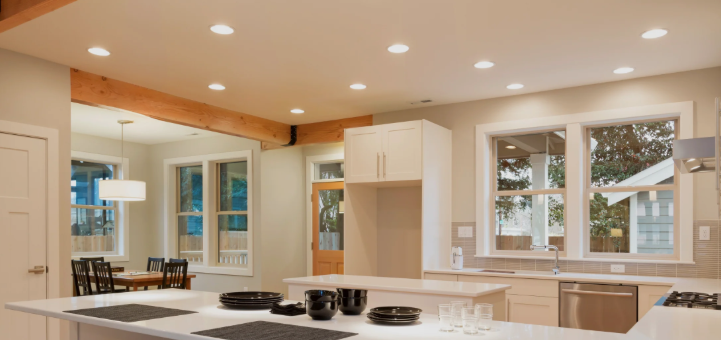
Good lighting can change how a room looks, feels, and functions. Recessed fixtures are popular because they provide illumination without taking up visual space on ceilings. For homeowners updating existing lighting, led retrofit recessed can lights can offer a practical way to replace older recessed bulbs or fixtures while using modern LED technology. These lights can work in living rooms, kitchens, bedrooms, hallways, offices, and other areas where a streamlined ceiling appearance is preferred. Before installation, it is important to consider the existing housing, fixture size, brightness, color temperature, dimming compatibility, and ceiling conditions. Understanding these details can help create consistent lighting throughout the home.
Understanding Retrofit Recessed Lighting
Retrofit recessed lighting is designed to update an existing recessed light housing rather than requiring an entirely new ceiling opening in many installations.
This approach can be useful during remodeling projects because the existing housing may already provide the necessary structure. The new lighting component can update the appearance and performance of the fixture while reducing the amount of ceiling work required.
Why LED Lighting Is Popular
LED technology has become common in residential lighting because it can provide strong illumination while using relatively little electricity. LED fixtures are also available in various brightness levels and color temperatures.
Their long operating life can reduce the frequency of bulb replacement. This can be particularly convenient for ceiling fixtures installed in tall rooms or difficult-to-reach areas.
Checking Existing Recessed Housings
Before selecting a retrofit product, homeowners should identify the size and type of the existing recessed housing. Common dimensions include several standard sizes, but compatibility varies between fixtures.
The housing should be checked for its shape, mounting method, electrical connections, and other specifications. Choosing a fixture designed for the existing housing can simplify installation.
Selecting the Right Light Size
Recessed lighting is commonly available in different diameters. The appropriate size depends on the existing opening and the desired visual effect.
Smaller fixtures can provide a more discreet appearance, while larger fixtures may distribute light across a broader area. The spacing between fixtures should also be considered when planning multiple lights.
Choosing the Brightness
Brightness is usually measured in lumens rather than simply wattage. The appropriate lumen output depends on the room’s size, ceiling height, wall finishes, and intended use.
A kitchen workspace may require stronger illumination than a bedroom, while hallways can often use lower levels. Using the same brightness throughout the home is not always necessary.
Selecting Color Temperature
Color temperature affects the atmosphere created by the lighting. Warm white light can provide a comfortable residential feel, while neutral white can appear brighter and more balanced in work areas.
Cooler light may be suitable for certain task-oriented spaces, but it can appear harsh in rooms intended for relaxation. Selecting a consistent temperature across connected areas can improve the overall visual experience.
Considering Dimmable Fixtures
Dimming provides flexibility by allowing homeowners to adjust light levels according to the time of day and activity.
If dimming is important, both the retrofit fixture and the wall dimmer should be compatible. Not every LED product works correctly with every dimming system, so compatibility information should be checked before installation.
Improving Kitchen Lighting
Recessed lighting is commonly used in kitchens because it can provide general illumination without interfering with cabinets or hanging fixtures.
Lights should be positioned to illuminate countertops and work areas rather than simply being arranged in the center of the ceiling. Combining recessed fixtures with under-cabinet lighting can further improve task visibility.
Using Recessed Lighting in Living Rooms
Living rooms often benefit from flexible lighting arrangements. Recessed fixtures can provide general illumination while table lamps, floor lamps, and decorative fixtures create additional layers.
Spacing should be planned according to furniture placement and the room’s main activity areas. Excessive fixtures can make the ceiling look crowded and produce unnecessary brightness.
Planning Bedroom Lighting
Bedrooms generally benefit from softer and more adjustable lighting. Dimmable recessed fixtures can allow brighter illumination when needed and lower light levels during relaxing periods.
Fixtures should be positioned carefully so that they do not shine directly into the eyes of someone lying in bed. Bedside lighting can provide a more comfortable alternative for reading.
Using Lighting in Hallways
Hallways can use recessed lights to create consistent illumination along circulation paths. The number of fixtures depends on ceiling height, hallway length, fixture brightness, and desired spacing.
A continuous pattern can create a balanced appearance, while fewer strategically placed fixtures can provide a more subtle effect.
Considering Ceiling Height
Ceiling height influences both fixture placement and light distribution. Higher ceilings may require stronger illumination or fixtures with appropriate beam angles to deliver light effectively.
Lower ceilings may benefit from smaller, low-profile fixtures that preserve visual openness. The fixture should complement the scale of the room.
Understanding Beam Angles
Beam angle describes how widely light spreads from a fixture. A narrow beam can concentrate light in a specific location, while a wider beam can illuminate a larger area.
The ideal beam angle depends on the purpose of the fixture. Task areas may benefit from more focused illumination, while general room lighting often works better with broader distribution.
Creating Layers of Light
Recessed lighting does not have to perform every lighting function in a room. A layered design can combine general, task, and accent lighting.
Pendant fixtures, wall sconces, cabinet lights, lamps, and recessed fixtures can each serve different purposes. This approach allows homeowners to adjust the atmosphere and brightness more easily.
Considering Energy Use
Replacing older lighting with LED technology can reduce electricity consumption depending on the original fixture and usage pattern.
The actual energy savings depend on factors such as wattage, operating hours, number of fixtures, and local electricity rates. Choosing efficient products can contribute to lower long-term operating costs.
Checking Insulation Compatibility
Ceiling insulation can affect recessed lighting installation. Some housings have specific requirements regarding insulation contact and clearance.
The retrofit fixture should be appropriate for the existing housing and ceiling conditions. Product installation instructions should always be reviewed before fitting the light.
Maintaining a Consistent Appearance
Using fixtures with similar trim styles and color temperatures can create a cohesive ceiling appearance. Mixing significantly different finishes or light colors in the same room may make the lighting look inconsistent.
Trim styles range from simple flat designs to decorative options. The choice should reflect the room’s architecture and interior design.
Considering Smart Lighting
Some modern LED recessed fixtures can connect with smart-home systems. Depending on the product, users may be able to adjust brightness, schedule lighting, or control fixtures through compatible systems.
Smart features are not necessary for every room, but they can provide additional flexibility in homes that already use connected lighting.
Planning Installation
Even when retrofit lighting is designed for easier replacement, installation should be approached carefully. The existing electrical connection, housing, ceiling condition, and fixture compatibility need to be confirmed.
If electrical modifications are required, a qualified electrician can help ensure the work follows applicable safety requirements and local electrical codes.
Final Thoughts
Updating recessed lighting can improve both the appearance and functionality of a home. LED retrofit options can be useful when existing recessed housings are still suitable but the lighting needs an upgrade. The most important considerations include housing compatibility, fixture size, brightness, color temperature, beam angle, dimming, insulation requirements, and installation conditions. By planning these details before purchasing fixtures, homeowners can create a cleaner ceiling appearance and more comfortable illumination throughout different rooms.
FAQs
What are retrofit recessed lights?
Retrofit recessed lights are lighting components designed to update existing recessed housings without necessarily replacing the entire housing system.
Are LED recessed lights energy efficient?
LED fixtures generally use less electricity than many older lighting technologies for comparable illumination, although actual savings depend on the existing system and usage.
Can retrofit recessed lights be dimmed?
Many models are dimmable, but compatibility between the fixture and the dimmer should be confirmed before installation.
What size recessed light should I choose?
The correct size depends on the existing housing or ceiling opening, room dimensions, desired appearance, and lighting requirements.
Can LED retrofit lights be installed in kitchens?
Yes. They can provide useful general or task illumination in kitchens when positioned appropriately around work surfaces, cabinets, and other important areas.
One Comment
[…] Read more: LED Retrofit Recessed Can Lights for Modern Home Lighting […]