
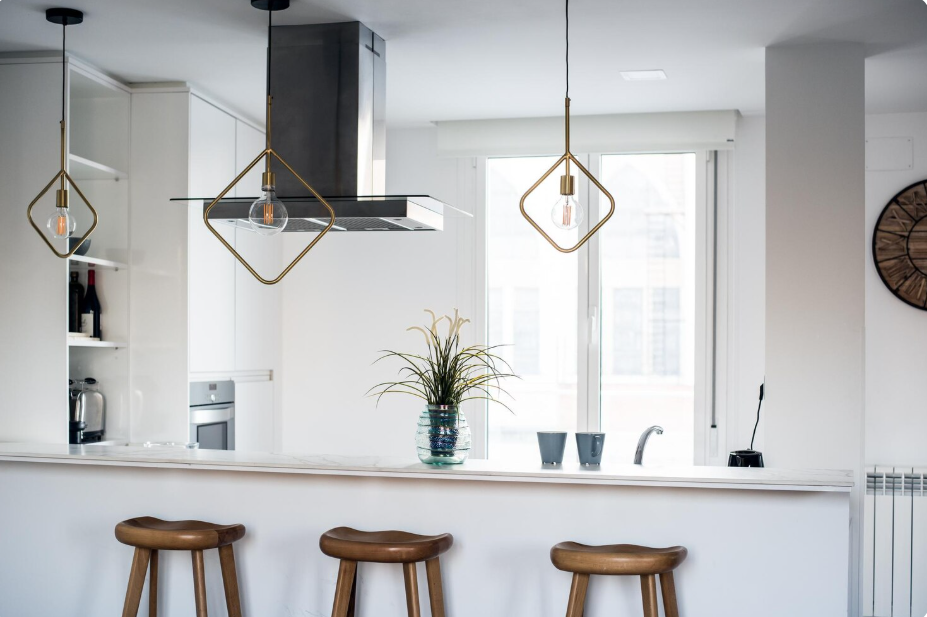
A backless counter height bar stool is a simple and practical seating choice for modern kitchens, breakfast counters, islands, and casual dining areas. Its compact design allows the stool to slide neatly beneath a counter when it is not being used, helping maintain a clean and open appearance.
Unlike stools with tall backs, backless designs create less visual bulk and can work particularly well in smaller or open-plan spaces. For a standard counter around 36 inches high, a seat height of approximately 24–26 inches is commonly recommended.
Why Choose a Backless Counter Height Bar Stool?
Backless stools combine practical seating with a minimalist appearance. They are especially useful when you want seating that does not dominate the kitchen or block sightlines between connected rooms.
Key Benefits
- Saves space in compact kitchens
- Slides easily underneath counters
- Creates a clean, uncluttered appearance
- Available in wood, metal, leather, and upholstered styles
- Easy to move when needed
- Works with modern, farmhouse, industrial, and coastal interiors
- Usually easier to clean than heavily upholstered stools
- Available in stationary and swivel designs
Because there is no backrest, these stools can often be stored almost completely underneath the counter, making them a practical option for busy kitchens.
What Is Counter Height for a Bar Stool?
Choosing the correct height is one of the most important parts of buying a stool. A stool that is too tall can make your knees feel cramped, while one that is too short can make eating or working uncomfortable.
For most standard kitchen counters measuring about 34–37 inches high, a 24–26-inch seat is a common choice. Taller bar surfaces around 40–42 inches generally require a 28–30-inch seat.
| Surface Type | Approx. Surface Height | Recommended Seat Height |
|---|---|---|
| Dining table | 28–30 inches | 17–19 inches |
| Standard kitchen counter | 34–37 inches | 24–26 inches |
| Bar-height counter | 40–42 inches | 28–30 inches |
| Extra-tall surface | 44–47 inches | 33–36 inches |
A useful starting point is to leave around 10–12 inches between the top of the stool seat and the underside of the counter. Always measure the actual space because countertops, support brackets, and aprons can reduce available legroom.
Best Places to Use Backless Counter Stools
Kitchen Islands
Kitchen islands are one of the most common locations for backless counter stools. Their compact shape keeps the island visually open while providing convenient seating for breakfast, coffee, homework, or casual meals.
Breakfast Bars
A backless stool can fit neatly beneath a breakfast bar without making the area feel crowded. This is particularly useful in smaller kitchens where every inch of floor space matters.
Small Apartments
Backless stools are excellent for apartments and compact homes because they can disappear beneath the counter when not in use.
Open-Plan Kitchens
In an open-plan room, bulky furniture can interrupt the visual connection between the kitchen and living area. Backless seating helps maintain cleaner sightlines.
Popular Styles and Materials

A backless counter stool does not have to look plain. There are many materials and designs available.
Wooden Backless Stools
Wood provides warmth and works especially well with farmhouse, traditional, Scandinavian, and coastal interiors. Oak, walnut, and other natural finishes can add character to a kitchen.
Metal Counter Stools
Metal stools are a good option for modern and industrial spaces. Powder-coated steel can provide a durable finish, while sleek metal designs create a contemporary appearance.
Upholstered Stools
Padded or upholstered seats can make backless stools more comfortable. Neutral fabric, faux leather, and textured upholstery can complement a wide variety of kitchen designs.
Woven and Natural-Fiber Stools
Woven seats can introduce texture and a relaxed feeling. They are particularly attractive in coastal, bohemian, and casual interiors.
Backless vs. Backed Counter Stools
The choice between a backless and backed stool depends on how you plan to use it.
A backless stool is generally better when space-saving, easy storage, and a minimalist appearance are priorities. It can slide underneath the counter and keep the room visually open.
A backed stool provides additional support and may be more comfortable for long meals or extended periods of sitting. However, it requires more space behind the seat and creates a larger visual presence.
For quick meals and casual seating, backless stools can be an excellent solution. For long work sessions or extended dining, a supportive backrest may be worth considering.
Stationary or Swivel Backless Stool?
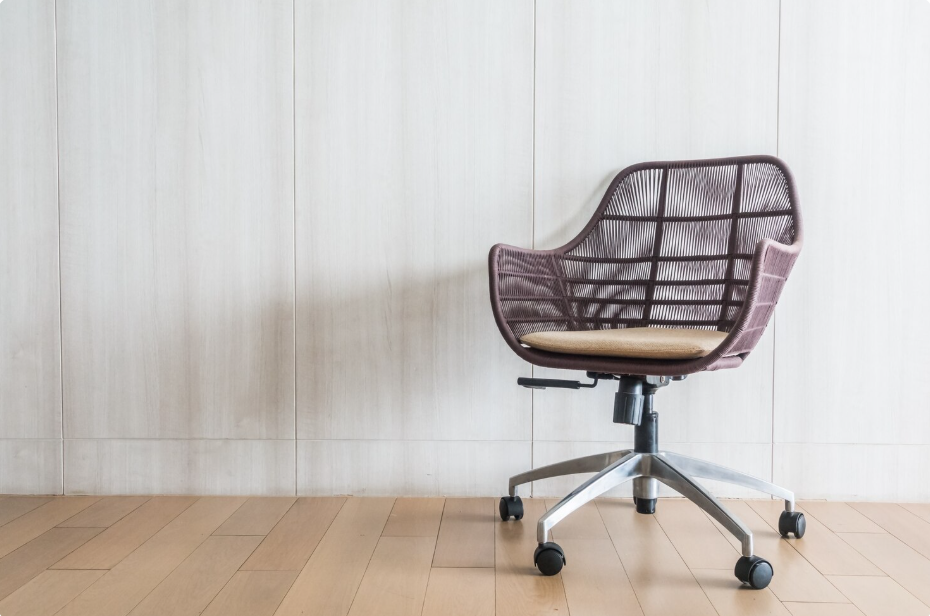
Backless stools are available in both stationary and swivel versions.
Stationary Stools
Stationary stools are simple, stable, and often have a traditional four-leg design. They are a good choice for households that want straightforward seating.
Swivel Stools
Swivel models allow users to rotate without moving the entire stool. This can make getting into and out of the seat easier, particularly around a busy kitchen island.
How to Choose the Right Backless Stool
Before buying, consider several important factors.
1. Measure Your Counter
Measure from the floor to the top of the counter and also check the underside for brackets, drawers, or other obstructions.
2. Check the Seat Height
Do not rely only on labels such as “counter height.” Compare the actual seat measurement with your counter height.
3. Consider Seat Width
Make sure the seat is wide enough for comfortable sitting while allowing enough room for neighboring stools.
4. Look for a Footrest
A footrest can improve comfort, especially when sitting at a higher counter. It gives your feet a stable place to rest instead of leaving them unsupported.
5. Check Stability and Weight Capacity
Choose a sturdy construction appropriate for everyday use. Always check the manufacturer’s weight rating before purchasing.
Styling Ideas for Modern Kitchens
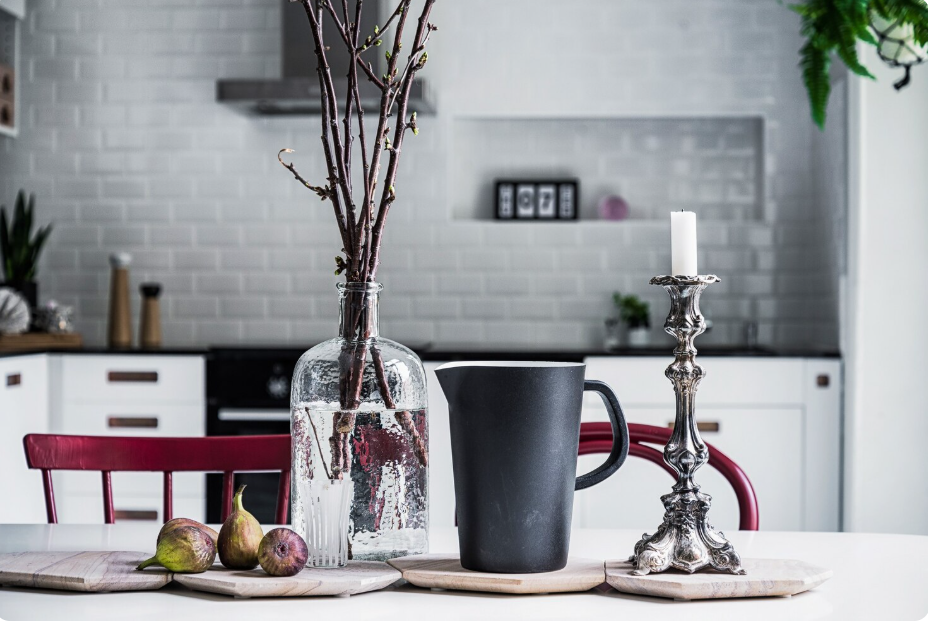
Backless stools can become an attractive part of your kitchen design when their finish complements the surrounding furniture.
Try these combinations:
- White stools with a dark countertop
- Natural wood stools with white cabinets
- Black metal stools with modern cabinetry
- Woven stools with coastal décor
- Leather seats with industrial interiors
- Light oak stools with Scandinavian-style kitchens
You can also mix textures without matching every piece of furniture exactly. A natural wood island paired with upholstered stools, for example, can create a balanced and inviting appearance.
Common Mistakes to Avoid
Avoid these common mistakes when choosing backless counter stools:
- Buying the wrong seat height
- Measuring only the countertop
- Ignoring the underside clearance
- Choosing a seat that is too narrow
- Selecting style over stability
- Forgetting about foot support
- Placing too many stools close together
- Choosing materials that are difficult to maintain
Correct spacing is especially important when installing several stools along one island. Give each person enough room to sit comfortably without bumping into neighboring seats.
Final Thoughts
A backless counter height bar stool can provide an excellent combination of style, convenience, and space efficiency. Its streamlined shape makes it especially useful for modern kitchens, small apartments, breakfast bars, and open-plan interiors.
The most important step is choosing the correct height. For a typical kitchen counter, 24–26 inches is a common starting range, but measuring your actual counter and underside clearance is always the safest approach.
With the right material, width, height, and design, backless stools can provide comfortable everyday seating while keeping your kitchen clean, open, and stylish.
Frequently Asked Questions
1. What height should a backless counter stool be?
For a standard kitchen counter around 34–37 inches high, a 24–26-inch seat is commonly recommended.
2. Are backless counter stools comfortable?
They can be comfortable for everyday meals and shorter periods of sitting. A well-padded seat and properly positioned footrest can improve comfort significantly.
3. Do backless stools save space?
Yes. Their lack of a backrest allows them to slide underneath many counters, helping reduce visual and physical clutter.
4. Are swivel backless stools a good option?
Yes. A swivel design can make it easier to turn and enter or leave the stool without moving the entire base.
5. How do I choose the right counter stool?
Measure your counter height, check the underside clearance, select the correct seat height, and consider seat width, stability, footrest design, material, and overall style before buying.