
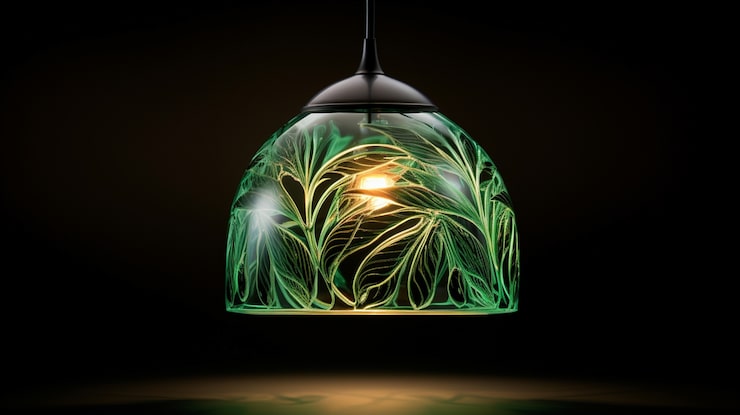
Green glass pendant lights can add color, character, and a refined decorative touch to an interior while also providing practical illumination. Unlike ordinary ceiling fixtures, pendant lights hang from the ceiling and can become an important part of a room’s visual design. Green glass adds another layer of interest by filtering and reflecting light through a distinctive colored surface. Depending on the shape, shade, and finish, these fixtures can complement modern kitchens, traditional dining rooms, cozy bedrooms, entryways, and contemporary living spaces. They can also be used individually or arranged in groups to create different lighting effects.
What Are Green Glass Pendant Lights?
Green glass pendant lights are ceiling-mounted fixtures featuring a glass shade with a green tint or finish. The shade may be transparent, translucent, frosted, textured, or colored throughout the glass.
The fixture typically hangs from a cord, chain, rod, or metal suspension system. Designs range from small decorative pendants to larger statement fixtures suitable for prominent areas.
Green glass can create different effects depending on its intensity. Pale green may provide a subtle decorative accent, while deep emerald or forest green can become a strong focal point.
Why Choose Green Glass Lighting?
Lighting is not only functional but can also influence the atmosphere and character of a room. Green glass introduces color without requiring paint, furniture, or large decorative changes.
The material can also interact with natural and artificial light. During the day, sunlight can highlight the glass surface, while an illuminated bulb can create a warm glow through translucent shades.
Green is often associated with nature, freshness, and calmness, making it an appealing choice for interiors that incorporate plants, wood, stone, and other natural materials.
Choosing the Right Green Shade
The shade of green should complement the room’s existing colors. Soft sage and pale green can create a subtle appearance suitable for minimalist or Scandinavian-inspired interiors.
Olive green can provide a warmer, earthy effect, while emerald green offers a richer and more luxurious appearance.
Dark forest green can create dramatic contrast against light walls and ceilings.
Consider the wall color, cabinetry, furniture, flooring, and other lighting fixtures before choosing the glass shade. A green tone that connects with existing colors will generally feel more intentional.
Popular Glass Styles
The type of glass can significantly affect the appearance of a pendant light. Clear green glass allows the bulb and interior components to remain visible and can create a light, airy appearance.
Frosted glass diffuses the light and produces a softer effect. Ribbed or fluted glass adds texture and can create attractive patterns when illuminated.
Handcrafted or irregular glass may provide a more artistic appearance, while smooth glass tends to suit contemporary interiors.
Choose the glass style according to both the desired appearance and the type of lighting needed.
Green Glass Pendant Lights in the Kitchen
Kitchens are among the most popular areas for pendant lighting. Fixtures can be installed above islands, breakfast bars, counters, or dining areas.
Green glass can work especially well with white, cream, wood, gray, or dark cabinetry. Several matching pendants can create symmetry above a long kitchen island.
For a more relaxed appearance, consider combining green glass with natural wood and warm metal finishes.
Make sure the fixture is positioned at a suitable height so it provides useful illumination without interfering with cooking or conversation.
Using Pendant Lights Over a Dining Table
A dining table provides a natural location for a decorative pendant because the fixture can help define the dining area.
A larger pendant can act as a centerpiece, while multiple smaller fixtures can create a more balanced arrangement over a long table.
Green glass can complement wooden dining tables particularly well because the combination of natural wood and green creates an organic visual relationship.
Choose a bulb color that supports the intended atmosphere. Warmer light can create a comfortable dining environment, while brighter neutral light may be more practical for multipurpose spaces.
Green Glass Pendants in the Bedroom
A small green glass pendant can provide a decorative alternative to traditional bedside lamps. When installed on either side of a bed, matching pendants can create symmetry.
Pale green glass can complement soft neutral bedding, while darker green shades can provide contrast against white or cream walls.
Pendant lighting can also free up space on bedside tables, making it useful in smaller bedrooms.
Because bedrooms generally benefit from comfortable lighting, consider bulbs that provide a softer and less intense illumination.
Using Them in Entryways
An entryway pendant can make a strong first impression because it is often one of the first decorative fixtures visitors see.
A green glass shade can add personality to an otherwise simple entrance. Larger entryways may accommodate a more substantial pendant, while narrow spaces may benefit from a smaller design.
Pair the fixture with a console table, mirror, artwork, or natural materials that repeat or complement the green tone.
Matching Green Glass With Metal Finishes
The metal finish surrounding the glass can significantly influence the overall style of a pendant light.
Brass and antique brass can create a warm, traditional, or vintage-inspired appearance. Black metal can provide stronger contrast and work well in modern interiors.
Chrome and polished finishes can create a cleaner contemporary effect, while bronze can complement earthy green shades.
When selecting a pendant, consider other metal finishes already used in the room so the lighting fixture feels integrated.
Single Pendant or Multiple Fixtures?
One pendant can be enough when the fixture is intended to act as a decorative focal point. This approach works particularly well over small tables, reading areas, or compact kitchen counters.
Multiple pendants can provide greater visual impact and more even illumination. They are particularly useful above kitchen islands and long dining tables.
When using multiple fixtures, maintain consistent spacing and consider the scale of the furniture below them.
A group of small green glass pendants can create a different effect from one large statement fixture.
Choosing the Right Size
Scale is essential when selecting pendant lighting. A fixture that is too small can disappear visually, while an oversized pendant can overwhelm a compact room.
Consider both the size of the room and the furniture underneath the light. A large dining table or kitchen island generally needs a larger fixture or multiple pendants.
Ceiling height should also be considered because the fixture needs sufficient vertical space to hang comfortably without obstructing movement.
Creating Different Interior Styles
Green glass pendant lights can complement many decorating styles. In contemporary interiors, simple geometric shades and black or polished metal can create a clean appearance.
Vintage-inspired spaces can benefit from curved glass, brass fittings, and traditional bulb shapes.
Farmhouse interiors can combine green glass with wood and aged metal, while eclectic spaces can use distinctive shapes or handcrafted glass.
The fixture’s shape, hardware, and bulb style should work together to create a consistent visual impression.
Caring for Green Glass Pendant Lights
Glass shades can collect dust, fingerprints, and kitchen residue over time. Regular cleaning can help preserve their clarity and color.
Always turn off the light and allow the fixture to cool before cleaning. Use a suitable soft cloth and follow the care instructions provided for the fixture.
Metal components may require different cleaning methods depending on their finish.
Periodic inspection of cords, fittings, and mounting components can also help maintain the fixture in good condition.
Common Decorating Mistakes to Avoid
One common mistake is choosing a green shade that conflicts with the existing color palette. Consider the surrounding finishes before selecting the fixture.
Another issue is installing a pendant at an unsuitable height. A fixture that hangs too low can obstruct views and movement, while one positioned too high may provide less useful illumination.
Using too many statement fixtures can also make a room feel visually crowded. If the pendant is highly decorative, keep nearby lighting and accessories relatively simple.
Finally, avoid choosing a fixture based solely on appearance. Consider brightness, bulb compatibility, room function, and installation requirements as well.
Key Points to Remember
Green glass pendant lights combine decorative color with practical illumination.
Different green shades can create subtle, earthy, dramatic, or luxurious effects.
Glass finishes such as clear, frosted, ribbed, and textured designs create different lighting experiences.
These fixtures can work well in kitchens, dining rooms, bedrooms, entryways, and other living spaces.
Metal finishes such as brass, black, bronze, and chrome can change the overall style of the fixture.
Correct size and installation height are important for both appearance and functionality.
Tips for Choosing Green Glass Pendant Lights
Consider the room’s existing colors before selecting the glass shade.
Choose the glass finish according to the type of light diffusion you prefer.
Measure the available space and furniture before deciding on the fixture size.
Use multiple pendants when you need broader coverage over long surfaces such as kitchen islands.
Coordinate the fixture’s metal finish with other hardware in the room.
Choose a suitable bulb based on whether the room requires ambient, task, or accent lighting.
Make sure the fixture is installed securely and at an appropriate height.
Clean the glass regularly to maintain its appearance and light transmission.
Final Thoughts
Green glass pendant lights can transform ordinary ceiling lighting into an attractive design feature while providing useful illumination. Their combination of colored glass, distinctive shapes, and different metal finishes makes them suitable for a wide range of interior styles. Whether installed above a kitchen island, dining table, bedside area, or entryway, the right pendant can introduce depth and personality without overwhelming the room. By considering shade, glass texture, fixture size, metal finish, placement, and bulb type, homeowners can select lighting that complements their decor and creates a welcoming atmosphere.
Frequently Asked Questions
1. Where can green glass pendant lights be used?
They can be used in kitchens, dining rooms, bedrooms, entryways, living spaces, home offices, and other areas where ceiling-mounted decorative lighting is appropriate.
2. Do green glass pendant lights work with modern interiors?
Yes. Simple green glass shades paired with clean metal finishes can complement modern and contemporary interiors particularly well.
3. What colors go well with green glass lighting?
Green glass can complement white, cream, beige, gray, black, natural wood, brass, bronze, and many other neutral or earthy finishes.
4. Should I use one or several green glass pendants?
The choice depends on the space and purpose. One large fixture can create a focal point, while multiple smaller pendants can provide balanced illumination over long surfaces.
5. How do I clean a green glass pendant light?
Turn off the fixture and allow it to cool before cleaning. Use a soft cloth and follow the manufacturer’s care instructions for both the glass and metal components.
2 Comments
[…] Read Also : Green Glass Pendant Lights: Stylish Ideas for Elegant Interior Lighting […]
[…] Read Also : Green Glass Pendant Lights: Stylish Ideas for Elegant Interior Lighting […]