

A solid wood hall tree is a practical and attractive furniture piece designed to organize busy entryways. By combining coat hooks, seating, shelves, and often shoe storage into one unit, a hall tree can create a convenient drop zone near the front door. Solid wood also adds natural character, durability, and a timeless appearance that can work with traditional, farmhouse, rustic, transitional, and modern interiors. What Is a Solid Wood Hall Tree? A hall tree is typically an entryway furniture unit that combines several functions in one compact design. Common features include: This combination makes a hall tree particularly useful for households that need a dedicated place for coats, shoes, backpacks, hats, and everyday accessories. Why Choose a Solid Wood Hall Tree? 1. Durable Construction Solid wood can provide a sturdy foundation for an entryway piece that gets used every day. A well-built unit can handle regular sitting, hanging coats, and storing shoes and bags. 2. Natural Appearance Wood grain gives every piece a distinctive look. Oak, pine, acacia, maple, and other wood species can create different colors and textures. 3. Multiple Functions Instead of purchasing a separate bench, coat rack, and shoe organizer, a hall tree can combine several functions in one piece. 4. Timeless Style A natural wood hall tree can complement many interior styles. Its appearance can also be changed with stain, paint, cushions, baskets, or decorative accessories. Popular Solid Wood Hall Tree Designs Hall Tree With Bench and Shoe Storage This is one of the most practical configurations. The bench provides a place to sit while putting on shoes, while lower shelves or cubbies keep footwear organized. Rustic Wood Hall Tree A rustic design highlights natural grain, knots, and warm wood tones. It works especially well in farmhouse, country, and lodge-inspired homes. Modern Solid Wood Hall Tree Modern designs usually feature clean lines, simple hardware, and minimal decoration. They are a good choice for contemporary entryways. Hall Tree With Cabinets Cabinet storage hides shoes, bags, and other items to create a cleaner appearance. This option is particularly useful when you want the entryway to look uncluttered. Narrow Hall Tree A slim design can be useful in smaller entryways. Some compact wooden hall trees are designed around approximately 28–36 inches of width and 12–15 inches of depth, although exact dimensions vary by model. Solid Wood Hall Tree Features to Look For When comparing different designs, consider how the furniture will actually be used. Strong Bench If you plan to sit on the bench regularly, look for sturdy construction and a comfortable seat depth. A bench should feel stable rather than wobble when someone sits down. Durable Hooks Hooks should be securely attached and positioned at convenient heights for coats, hats, backpacks, and bags. Useful Shoe Storage Open cubbies make everyday shoes easy to access, while enclosed cabinets can keep footwear hidden. Convenient Shelving An upper shelf can provide space for baskets, hats, seasonal accessories, or decorative items. Quality Joinery Look for strong connections between the frame, bench, shelves, and back panel. Good construction is especially important for solid wood furniture that will receive frequent daily use. Solid Wood Hall Tree Comparison Hall Tree Style Best For Main Advantage Bench + Hooks Everyday entryways Seating and hanging storage Bench + Shoe Cubbies Families Easy shoe organization Cabinet Hall Tree Clutter-free spaces Concealed storage Narrow Hall Tree Small entryways Saves floor space Rustic Wood Hall Tree Farmhouse interiors Warm, natural character Modern Wood Hall Tree Contemporary homes Clean and simple appearance How to Choose the Right Size Measure your entryway before buying. Pay attention to wall width, available depth, ceiling height, door swing, and walking space. A hall tree that is too deep can make an entryway feel cramped, while one that is too narrow may not provide enough storage for your household. A practical planning approach is to: Many hall trees fall within approximately 30–48 inches in width and 15–20 inches in depth, but compact and oversized models are also available. How to Style a Solid Wood Hall Tree A solid wood hall tree can become a decorative focal point rather than simply a storage unit. Consider adding: For a rustic appearance, combine natural wood with woven baskets and warm textiles. For a modern look, choose simple accessories and keep the surface relatively uncluttered. How to Keep Your Hall Tree Organized Even a large hall tree can become messy without a simple organization system. Try assigning specific spaces for different items: Keeping everyday items in designated locations makes it easier to maintain an organized entryway. Solid Wood vs. Other Hall Tree Materials Solid wood is not the only option. Engineered wood and metal are also commonly used in entryway furniture. Solid wood generally stands out for its natural appearance and substantial construction, while engineered wood can offer a more budget-friendly alternative. Metal may work well for lightweight contemporary designs. If durability, natural grain, and long-term appearance are priorities, solid wood can be an excellent choice. Common Buying Mistakes to Avoid Before purchasing a hall tree, avoid these common mistakes: The best hall tree should balance appearance, storage, comfort, size, and durability. Final Thoughts A solid wood hall tree can transform an ordinary entryway into a practical and attractive organization zone. With hooks for coats and bags, a bench for changing shoes, and shelves or cabinets for storage, it can perform several jobs without requiring multiple furniture pieces. Before choosing one, carefully measure your available space and determine how much storage your household actually needs. With the right size, design, and construction, a solid wood hall tree can provide useful everyday organization while adding warmth and character to your home. FAQs About Solid Wood Hall Tree 1. What is a solid wood hall tree? It is an entryway furniture unit made from solid wood that commonly combines coat hooks, a bench, shelving, and shoe or accessory storage. 2. Is a solid wood hall tree durable? A well-constructed solid wood hall tree can be highly durable and suitable for

adjustable stools: Stylish, Comfortable, and Flexible Seating Solutions for Modern Homes
Adjustable stools are a practical and versatile seating option for kitchens, home bars, workspaces, workshops, and other areas where flexible seating is important. Unlike fixed-height stools, adjustable designs allow users to raise or lower the seat according to the counter, desk, or table height. Many adjustable stools use a gas-lift or pneumatic mechanism, making height changes quick and convenient. Some models also include swivel seats, footrests, padded cushions, and back support for improved comfort. Why Choose Adjustable Stools? The biggest advantage of an adjustable stool is flexibility. A single stool can work for different users and surfaces when its height range is suitable. Key Benefits Adjustable designs are especially useful in multi-purpose rooms and households where several people use the same seating area. Where Can You Use Adjustable Stools? One reason these stools are so popular is that they can be used in many different settings. Kitchen Islands Adjustable counter stools can be a smart choice for kitchen islands because users can fine-tune the seat height for comfortable dining, working, or socializing. For a typical kitchen counter around 36 inches high, a seat around 24–27 inches is commonly appropriate, although the actual measurements of the counter and its underside should always be checked. Home Bars For taller surfaces, an adjustable stool can provide greater flexibility than a fixed counter stool. Many adjustable designs can move from counter-level seating toward bar-height seating. Home Offices Adjustable stools can also be useful around standing desks, workbenches, or high work surfaces. The ability to change seat height can make the same stool suitable for different tasks. Workshops and Garages Durable adjustable stools with strong bases and footrests can provide convenient seating for workbenches, repair areas, and hobby spaces. Understanding Adjustable Stool Height Height is one of the most important things to consider before buying a stool. The correct seat height depends on the surface where the stool will be used. A common guideline is to leave approximately 10–12 inches between the seat and the underside of the counter or work surface. Surface Type Typical Surface Height Common Seat Height Dining Table 28–30 inches 17–19 inches Kitchen Counter 34–36 inches 24–27 inches Bar Surface 40–42 inches 28–30 inches Extra-Tall Surface 44–47 inches 33–36 inches Because adjustable stools cover a range of heights, they can be particularly convenient when the exact seating position needs to change. Some models offer ranges that cover both counter and bar applications. Popular Types of Adjustable Stools Adjustable Stools With Backs A backrest can provide additional support and make the stool more comfortable for longer periods. These are ideal for kitchen islands, breakfast areas, and home workspaces. Backless Adjustable Stools Backless models have a minimalist appearance and are easy to move around. They can also be pushed underneath a counter when not being used. Swivel Adjustable Stools Swivel stools allow users to turn without moving the entire base. This can be especially convenient in busy kitchens and home bars. Adjustable Stools With Footrests A footrest can improve comfort by giving users a natural place to position their feet. When selecting a stool, make sure the footrest is sturdy and positioned comfortably. How to Choose the Best Adjustable Stool Buying the right model requires more than choosing an attractive design. Check the Height Range First, determine the minimum and maximum seat height. Make sure the range works with your counter, desk, or table. Consider the Weight Capacity Check the manufacturer’s recommended weight capacity before purchasing. A strong base and quality adjustment mechanism are important for everyday use. Choose the Right Base A wide and stable base can improve balance. Some designs use a pedestal base, while others use multiple legs. Look at the Seat For regular use, consider padding, seat width, upholstery, and overall shape. A comfortable seat can make a major difference during longer sitting periods. Decide on a Backrest If you regularly sit for extended periods, a backrest may be preferable. For occasional seating or a minimalist kitchen, a backless design may be enough. Adjustable Stools and Modern Interior Design Adjustable stools are available in many materials and finishes, so they can easily become part of your interior design. Popular options include: For a modern kitchen, sleek metal and upholstered seating can create a contemporary appearance. Natural wood can provide warmth, while neutral upholstery works well with many color schemes. Adjustable vs. Fixed Stools Fixed stools can be a good choice when the counter height never changes and the same people use the seating regularly. They often have a simpler construction. Adjustable stools are better suited to flexible spaces where different users or surfaces require different heights. Their main advantage is versatility, although the adjustment mechanism can make them look more mechanical than traditional fixed stools. Common Mistakes to Avoid Before buying adjustable stools, avoid these common mistakes: Always measure the available space before purchasing, particularly if several stools will sit along the same counter. Final Thoughts Adjustable stools combine flexibility, comfort, and modern functionality. Their adjustable height makes them useful for kitchen islands, home bars, offices, workshops, and multi-purpose spaces. When choosing one, focus on the height range, stability, seat comfort, weight capacity, material, and overall design. A well-selected adjustable stool can provide practical seating while fitting naturally into your home’s décor. Frequently Asked Questions What are adjustable stools used for? Adjustable stools are used for kitchen counters, home bars, desks, workbenches, workshops, and other raised surfaces where flexible seating height is useful. Are adjustable stools good for kitchen islands? Yes. Adjustable stools can work well for kitchen islands because users can fine-tune the seat height for better comfort and legroom. How high should an adjustable stool be? It depends on the surface height. For a typical 34–36-inch counter, a seat around 24–27 inches is commonly suitable. Always measure the actual counter and underside clearance before buying. Are swivel adjustable stools better? Swivel models can be more convenient because users can turn without moving the entire stool. They are especially useful in kitchens and social areas. What should

coastal counter stools: Stylish, Comfortable, and Breezy Seating Ideas for Modern Kitchens
Coastal counter stools can instantly bring a relaxed, airy, and welcoming feeling to a kitchen, breakfast nook, or home bar. Inspired by beach houses and seaside interiors, these stools commonly feature light colors, natural textures, woven details, and simple silhouettes. They can make a kitchen island feel more comfortable while adding personality without making the room look crowded. Whether you prefer rattan, wicker, light wood, woven rope, or upholstered seating, the right coastal stool can complement both traditional and modern interiors. Coastal design typically focuses on natural materials, soft colors, and an uncluttered appearance, making these stools especially useful for creating a calm home environment. Why Choose Coastal Counter Stools for Your Home? Counter stools are practical seating, but they can also become an important part of your kitchen décor. Coastal-inspired designs are particularly popular because they combine comfort with a light, natural appearance. Key Benefits Rattan, wicker, woven fibers, and light-toned woods are among the materials commonly associated with coastal furniture. Popular Coastal Counter Stool Styles The best stool style depends on your room, comfort needs, and overall decorating theme. Rattan and Wicker Stools Rattan and wicker are excellent choices for a relaxed coastal appearance. Their woven texture adds visual interest while keeping the space feeling light and natural. These stools work particularly well with white kitchen cabinets, natural wood islands, and neutral countertops. Light Wood Counter Stools Light oak, ash, bamboo, and other pale woods can create a clean and timeless coastal appearance. They are especially suitable for homeowners who want coastal décor without making the room look overly themed. A simple wooden frame paired with a woven seat can provide both warmth and texture. Woven Rope Stools Woven rope brings a subtle nautical influence to a kitchen. Rope seating can work beautifully with white cabinetry, soft-blue accents, natural wood, and other organic textures. Modern woven materials can also offer practical benefits, including resistance to everyday wear and easier maintenance. Coastal Swivel Stools A swivel design is useful when your kitchen island is also a social or dining area. Swivel stools allow people to turn toward different parts of the room without repeatedly moving the entire stool. Coastal swivel designs are often available in whitewashed wood, light oak, woven materials, and neutral upholstery. How to Choose the Right Coastal Counter Stools Choosing the right stool involves more than finding a design you like. Measurements, comfort, construction, and maintenance should all be considered. Measure the Height First Height is one of the most important factors when purchasing counter stools. A standard kitchen counter is commonly around 36 inches high, while counter stools generally have a seat height of approximately 24–26 inches. Bar-height seating is taller, commonly around 28–30 inches. Always measure your actual counter before buying. Surface Type Typical Surface Height Recommended Seat Height Kitchen Counter 35–36 inches 24–26 inches Taller Counter 36–39 inches 26–30 inches Bar Height 40–42 inches 28–30 inches Leaving roughly 9–12 inches between the seat and underside of the counter generally provides comfortable legroom. Think About Comfort If your family regularly eats breakfast, works, studies, or socializes at the kitchen island, comfort matters. Consider: Backless stools can save visual space, while stools with backs usually provide better support for longer sitting sessions. Best Materials for Coastal-Style Seating Material affects both appearance and durability. Solid Wood Wood offers a warm and natural appearance. Teak, oak, bamboo, and other durable woods can work well in coastal interiors. Rattan and Wicker These materials provide classic beach-house texture. They are particularly attractive indoors or in protected areas, although natural woven materials may require more care in damp environments. Metal White, brushed, or lightly finished metal can give coastal stools a modern appearance. Powder-coated metal can also be a practical option where durability is important. Upholstery Cream, beige, pale blue, and neutral upholstery can make a coastal stool feel softer and more comfortable. For busy kitchens, choose easy-clean or performance materials when possible. Coastal Colors That Work Beautifully The coastal style does not have to mean using obvious nautical decorations. A carefully selected color palette can create the same atmosphere in a more sophisticated way. Popular choices include: White or cream stools can brighten a darker kitchen, while natural wood can add warmth to an all-white room. Styling Ideas for a Coastal Kitchen Island Once you’ve selected your stools, use the surrounding décor to reinforce the coastal look. Keep the Palette Light Pair light stools with white cabinets, pale countertops, and soft neutral walls. This creates an open and airy appearance. Mix Natural Textures Combine woven stools with wood, jute, linen, or other natural textures. Layering materials prevents a neutral room from looking flat. Add Small Coastal Accents You do not need seashells everywhere. Instead, consider subtle details such as: Match the Overall Room Your stools do not necessarily need to match your cabinets exactly. Instead, choose finishes that complement existing hardware, lighting, countertops, or flooring. A light wood stool next to a white island, for example, can create a balanced contrast without overwhelming the room. Common Mistakes to Avoid Even beautiful stools can become frustrating when the wrong style or size is selected. Avoid these common mistakes: Allow enough room between stools so everyone can sit comfortably. A good layout should provide enough personal space without making the island look overcrowded. Final Thoughts Coastal counter stools are an excellent way to add comfortable seating and relaxed character to a modern home. With their natural materials, soft colors, woven textures, and simple designs, they can create a sophisticated coastal atmosphere without requiring a complete kitchen makeover. Start by measuring your counter, then consider the stool’s comfort, material, maintenance requirements, and overall design. Whether you choose rattan, light wood, woven rope, upholstered seating, or a swivel design, the right stool can make your kitchen island more functional and visually inviting. Frequently Asked Questions What height should coastal counter stools be? For a typical 35–36-inch kitchen counter, a stool with a 24–26-inch seat height is generally appropriate. Always measure your counter
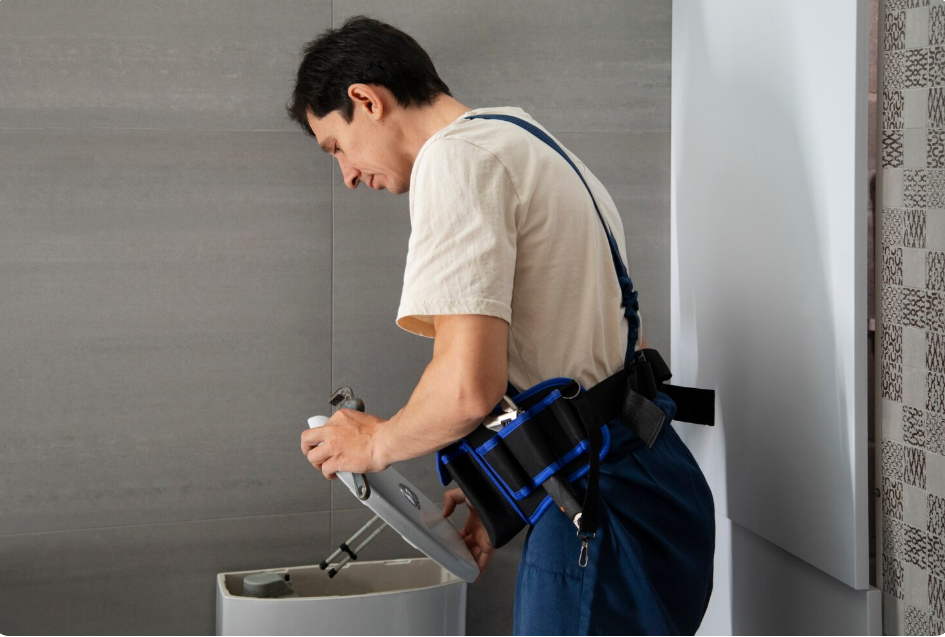
How to Stay Calm and Take the Right Steps During a Plumbing Leak
A plumbing leak can happen without warning. Whether it’s a dripping pipe under the sink or a burst water line flooding your home, the situation can quickly become stressful. It’s easy to panic when you see water spreading across the floor, but staying calm is one of the most important things you can do. Knowing how to respond in those first few minutes can help reduce damage, protect your belongings, and make the repair process much easier. Understanding the basics of handling emergency plumbing during water leaks can make a significant difference before professional help arrives. Stay Calm and Assess the Situation Your first reaction may be to stop the water immediately, but take a moment to understand what’s happening. Look at the source of the leak if it’s safe to do so. Is it coming from a faucet, an appliance, a toilet, or a pipe behind the wall? Avoid walking through standing water if electrical outlets or appliances are nearby. If you believe electricity could be involved, turn off the power to the affected area before approaching the leak. Taking a few seconds to assess the problem will help you respond more effectively and avoid unnecessary risks. Turn Off the Water Supply Stopping the flow of water is the most important step after identifying a leak. For smaller issues, you may only need to close the shut-off valve connected to the affected fixture. Sinks, toilets, washing machines, and water heaters often have individual shut-off valves nearby. If you cannot locate the source or the leak is severe, turn off your home’s main water supply. Every homeowner should know where the main shut-off valve is located before an emergency occurs. Acting quickly can prevent hundreds of gallons of water from causing additional damage. Protect Your Home From Further Damage Once the water has stopped flowing, focus on limiting the damage inside your home. Move furniture, electronics, rugs, and valuable items away from the affected area if possible. Use towels, mops, or a wet vacuum to remove standing water. Placing buckets or containers under active drips can also help contain the leak until repairs are made. The longer water sits on floors, walls, or ceilings, the greater the chance of structural damage and mold growth. Quick cleanup is essential. Identify the Severity of the Leak Not every plumbing leak requires the same level of response. A slow drip under a sink may simply need a worn washer or loose connection repaired. On the other hand, a burst pipe, leaking water heater, or rapidly spreading ceiling leak should be treated as an emergency. Watch for signs that indicate a more serious problem, including: Water flowing continuously even after using fixture controls. Sudden drops in water pressure throughout the home. Water stains spreading across ceilings or walls. Strange noises coming from pipes. Unexplained puddles around the foundation. Recognizing the seriousness of the issue will help you determine how urgently repairs are needed. Avoid Temporary Fixes That Can Make Things Worse It may be tempting to wrap a leaking pipe with tape or tighten fittings without knowing the cause of the problem. While temporary measures may slow a leak, they should never replace proper repairs. Using the wrong materials or applying excessive force can worsen damaged pipes or create additional leaks. If you’re unsure about the source or repair method, it’s usually best to contain the water and wait for a qualified plumber rather than risk causing further damage. Document the Damage If your leak causes significant property damage, take photographs before beginning major cleanup. Document affected flooring, walls, furniture, appliances, and any visible plumbing damage. These photos may be helpful if you need to file a homeowners insurance claim. Keep receipts for emergency cleanup supplies or restoration services, as some policies may reimburse certain expenses depending on your coverage. Watch for Hidden Moisture Even after the visible water is removed, moisture can remain inside walls, insulation, cabinets, or flooring. Pay attention over the following days for signs such as: Musty odors. Peeling paint. Warped wood flooring. Soft drywall. New water stains. Hidden moisture can lead to mold growth if left untreated, so don’t ignore changes that appear after the initial leak has been repaired. Know When to Call a Professional Some minor plumbing issues are relatively simple to address, but larger leaks often require professional expertise. Call a licensed plumber if: The leak cannot be stopped. Pipes have burst or cracked. Water is leaking from inside walls. Your water heater is leaking. Multiple fixtures are affected. You’re unsure where the leak is coming from. Professional plumbers have specialized tools to locate hidden leaks, repair damaged pipes, and inspect your plumbing system for additional issues that may not be immediately visible. Prevent Future Plumbing Emergencies While not every plumbing problem can be prevented, regular maintenance greatly reduces the risk. Inspect exposed pipes every few months for signs of corrosion or moisture. Replace worn hoses connected to washing machines and dishwashers before they fail. During colder months, insulate vulnerable pipes to help prevent freezing. It’s also helpful to test shut-off valves occasionally to ensure they still operate properly. Many homeowners discover a valve is stuck only after an emergency has already started. Simple preventative maintenance today can help you avoid expensive repairs tomorrow. Final Thoughts A plumbing leak can feel overwhelming, but staying calm allows you to make better decisions during a stressful situation. Turning off the water, protecting your home, documenting the damage, and recognizing when professional help is needed can significantly reduce the impact of the problem. Preparation is just as important as your response. Knowing where your shut-off valves are, performing routine plumbing inspections, and acting quickly when a leak appears can save both time and money. With the right steps, even an unexpected plumbing emergency can be managed safely and effectively.

Luxury Restroom Trailer Rentals Near Me: What to Know Before Booking
Planning an event takes time, and guest comfort should be part of the plan. A luxury restroom trailer can provide a clean, private, and comfortable bathroom space when an event venue does not have enough restrooms. These trailers are a popular choice for weddings, parties, corporate events, and outdoor gatherings. Before booking, it helps to know what to look for and what questions to ask. Consider Your Guest Count The number of guests is one of the first things to consider. A small gathering may only need a compact trailer, while a large event may need several stalls. Too few restrooms can create long lines and discomfort. Ask the rental company about the right trailer size for your guest count and event length. Check the Trailer Features Luxury restroom trailers can offer more than a basic portable toilet. Depending on the unit, features may include flushing toilets, running water, sinks, mirrors, lighting, climate control, and stylish interiors. Before booking, make a list of the features your guests will need. If your event is taking place during hot or cold weather, climate control may be especially helpful. Ask About Delivery and Setup Delivery and setup are important parts of the rental process. Ask where the trailer will be placed and whether the location has enough space for delivery. You should also check if the site needs access to power or water. Knowing these details early can help prevent delays on event day. Understand the Rental Cost Rental prices can vary based on the trailer size, rental length, features, event location, and number of guests. Ask for a clear quote before booking. It is also important to ask about delivery fees, cleaning, setup, deposits, and any possible extra charges. A detailed quote makes it easier to plan your event budget. Book Early for Your Event Luxury restroom trailers can be in high demand during busy event seasons. Booking early gives you more time to choose the right trailer and schedule a delivery time that works for your event. Last-minute planning may limit your options, especially for weddings and large gatherings. How Party Pottys Can Help At Party Pottys, we understand that clean and comfortable restrooms can make a big difference at any event. We offer luxury restroom trailer rentals designed to meet different guest and event needs. We work closely with our clients to help choose the right trailer, explain the rental process, and provide dependable delivery and setup so guests can enjoy a comfortable experience from start to finish. This post was written by a professional at Party Pottys. Party Pottys is a full-service luxury restroom trailer rental company in Tampa, Florida, specializing in luxury portable restroom trailers and restroom trailer rental in Tampa, for events, weddings, corporate gatherings, festivals, and construction sites. As one of the leading luxury restroom trailer rental companies near you, we serve clients throughout Tampa Bay, including Hillsborough, Pinellas, and Pasco Counties. Our experienced team provides expert guidance and reliable solutions, making us a trusted choice for luxury restroom trailer rental near you, focused on quality, value, and performance.

Asphalt Company Utah Services for Driveways and Parking Lots
Businesses depend on well-maintained pavement to provide convenient access for customers, employees, suppliers, and commercial vehicles. Parking lots, business driveways, access lanes, loading areas, and service roads all need to withstand regular traffic while maintaining a professional appearance. Choosing an experienced asphalt company Utah businesses can trust is an important part of protecting that investment. Professional asphalt services can address everything from new parking lot construction and commercial driveways to resurfacing, repairs, drainage improvements, and ongoing maintenance. By understanding the services available and the factors involved in commercial paving, property owners can make informed decisions for their businesses. The Importance of Commercial Asphalt Surfaces Commercial asphalt surfaces serve an important role in everyday business operations. A parking lot gives customers and employees a convenient place to park, while commercial driveways and access lanes connect different areas of a property. Warehouses, offices, retail centers, restaurants, industrial facilities, and other businesses may also depend on paved loading zones and service routes. When pavement becomes damaged, business operations can become more difficult. Potholes, cracks, uneven surfaces, and drainage problems can affect the appearance and functionality of a property. Professional asphalt services can help businesses maintain reliable pavement and address problems before they become more extensive. Commercial Driveways Are Different From Residential Driveways Although the term “driveway” is commonly associated with homes, commercial properties also have driveways and entrance lanes. These areas can experience much higher traffic than residential driveways. A business driveway may be used by customers, employees, delivery trucks, service vehicles, and suppliers throughout the day. Because of this traffic, commercial driveways require careful planning based on vehicle types, traffic volume, pavement conditions, and drainage. Businesses should work with contractors that understand commercial applications rather than treating every driveway project as a residential paving job. Parking Lot Paving for Businesses Parking lots are one of the most common commercial asphalt applications. A well-designed parking area can improve vehicle movement and provide convenient access to a business. Professional contractors can consider entrances, exits, parking spaces, drive lanes, traffic flow, and high-use areas when planning a parking lot. For businesses, parking lot paving should also account for future needs. Changes in employee numbers, customer volume, delivery activity, or property use may affect how the parking area is used over time. Planning for Heavy Commercial Traffic Not every business property experiences the same level of traffic. An office building may primarily receive passenger vehicles, while a warehouse or industrial facility may have frequent heavy trucks. Commercial asphalt planning should take these differences into account. Delivery routes, loading zones, turning lanes, entrances, and exits can experience additional stress because vehicles may repeatedly stop, turn, or maneuver in these areas. A professional contractor can evaluate traffic patterns and help businesses select an appropriate paving solution. Proper Site Preparation The foundation beneath asphalt is an important factor in pavement performance. Professional paving should begin with appropriate site preparation rather than simply placing asphalt over an existing surface. Depending on site conditions, preparation may involve removing damaged pavement, grading, compacting the base, correcting weak areas, and addressing drainage. Businesses should ask an asphalt contractor to explain what preparation their property requires and why. Proper preparation can help create a stable foundation and support the long-term performance of the finished pavement. Asphalt Resurfacing for Existing Parking Lots Businesses with aging parking lots may not always need complete reconstruction. If the underlying pavement remains structurally suitable, resurfacing may be an option. Resurfacing can provide a renewed surface while addressing certain types of deterioration. However, resurfacing is not appropriate for every situation. Severe structural damage, unstable base conditions, or significant drainage problems may require more extensive work. A professional property assessment can help determine which solution is suitable. Repairing Commercial Pavement Commercial parking lots and driveways can develop cracks, potholes, and other surface problems over time. Repairs can help businesses address localized damage and maintain the usability of their paved areas. Repair requirements depend on the type and severity of the damage. Businesses should not ignore recurring pavement problems. A contractor can inspect the affected area and determine whether a repair is sufficient or whether a larger underlying issue needs attention. Drainage Considerations Water management is an essential part of commercial asphalt construction and maintenance. Poor drainage can contribute to pavement deterioration and create standing water in parking lots or driveways. Before paving, contractors should evaluate grading and water flow across the property. If a business has areas where water consistently collects, these locations should be identified during the site assessment. Addressing drainage concerns can help protect the pavement and reduce recurring maintenance problems. Maintaining Business Access During Construction Commercial paving projects can temporarily affect customers, employees, suppliers, and delivery vehicles. Businesses should discuss access requirements with the contractor before construction begins. For larger parking lots, work may sometimes be completed in phases. This can allow part of the property to remain available while another section is being paved. Scheduling should also take business hours, delivery times, customer traffic, and employee parking into consideration. Careful planning can reduce disruption while allowing the contractor to complete the work efficiently. Choosing an Asphalt Company Utah Businesses Can Trust When selecting an asphalt company Utah property owners should evaluate several factors beyond price. Commercial experience, previous projects, site preparation, drainage knowledge, paving methods, project scheduling, communication, and maintenance recommendations can all provide useful information. Businesses should request detailed estimates and make sure they understand what services are included. Comparing contractors based on complete project value rather than simply the lowest price can lead to better decision-making. Quality Materials and Installation The quality of materials and installation can influence the performance of commercial asphalt. Large parking lots and business driveways require careful coordination of materials, equipment, labor, and construction stages. Professional contractors should use appropriate methods for the project’s conditions and expected traffic. Businesses can ask contractors about their installation process and how they approach areas that experience particularly heavy traffic. Top Job Asphalt for Commercial Asphalt Services Businesses looking for commercial paving services can

Commercial Roofing Contractors and Property Management Companies
In St. Petersburg, commercial properties face unique roofing challenges due to Florida’s intense sun, seasonal storms, heavy rainfall, and coastal humidity. From office buildings near downtown to retail centers serving neighborhoods throughout the city, maintaining a reliable roof is a critical responsibility for property management companies. Working with experienced commercial roofing contractors helps ensure roofs remain in good condition, protecting both tenants and property investments. Property managers often juggle multiple responsibilities, making proactive roof maintenance an essential part of preserving building value and avoiding costly disruptions. The Role of Commercial Roofing Contractors Commercial roofing contractors provide specialized services designed to meet the needs of larger buildings and multi-property portfolios. Unlike residential roofing projects, commercial roofing systems often involve flat or low-slope roofs, complex drainage systems, and specialized materials such as TPO, modified bitumen, metal, and roof coatings. For property management companies, commercial roofing contractors serve as trusted partners by helping identify issues before they become major problems. Regular inspections, maintenance programs, and timely repairs can significantly extend the lifespan of a roofing system while reducing long-term costs. Supporting Subheading: Preventive Maintenance Saves Money One of the biggest advantages of partnering with commercial roofing professionals is preventive maintenance. Small issues such as cracked flashing, clogged drains, or minor membrane damage can quickly escalate if left untreated. In a climate like St. Petersburg, where sudden summer storms and tropical weather systems are common, routine maintenance can help prevent leaks that may disrupt tenants and lead to expensive interior damage. Common Roofing Challenges for Property Managers Property managers throughout St. Petersburg encounter roofing issues that are directly influenced by the local environment. Coastal conditions, high humidity, and intense UV exposure can accelerate roof deterioration over time. Properties located near the waterfront or areas exposed to salt-laden air may experience faster corrosion of metal roofing components. Meanwhile, older commercial buildings may face drainage challenges during Florida’s frequent downpours. Supporting Subheading: Storm Damage and Weather Exposure Strong winds, hail, and tropical storms can create roofing vulnerabilities that aren’t always visible from the ground. Even minor storm damage can compromise waterproofing systems and lead to hidden moisture intrusion. After severe weather events, property management companies often benefit from professional roof inspections to identify damage early. Early detection helps reduce repair costs and may simplify insurance documentation if claims become necessary. Building Long-Term Relationships with Roofing Professionals Successful property management often depends on building strong relationships with reliable service providers. Commercial roofing contractors who understand the needs of property managers can help streamline maintenance planning and budgeting. Regular roof assessments provide valuable information about current roof conditions and expected future expenses. This allows property managers to make informed decisions regarding repairs, restoration projects, or full roof replacements. Supporting Subheading: Planning for Roof Replacement Every commercial roof eventually reaches the end of its service life. By working with qualified roofing professionals, property managers can develop replacement timelines that minimize disruption to tenants and business operations. Instead of waiting for emergency failures, proactive planning allows property owners to schedule roofing work during optimal conditions and budget accordingly. Why Local Roofing Expertise Matters in St. Petersburg Local knowledge plays an important role in commercial roofing performance. Contractors familiar with St. Petersburg understand how the region’s coastal climate affects roofing materials and building structures. They are familiar with common challenges found in neighborhoods throughout the city, from commercial districts near downtown St. Petersburg to properties closer to Tampa Bay and the Gulf Coast. They also understand local building requirements, storm preparedness considerations, and roofing systems that perform well in Florida’s demanding environment. A contractor with local experience can recommend roofing solutions specifically designed to withstand prolonged UV exposure, high humidity levels, and seasonal storm activity that property owners regularly face in Pinellas County. Conclusion Commercial roofing contractors provide valuable support for property management companies by helping protect buildings, reduce maintenance costs, and extend roof life. In St. Petersburg, where weather conditions can place significant stress on commercial roofing systems, proactive inspections and maintenance are especially important. Whether managing a single commercial property or an extensive portfolio, staying ahead of roofing issues can prevent costly repairs and unexpected disruptions. Following severe storms, heavy rainfall, or high-wind events, property owners and managers should consider scheduling a professional roof inspection or consultation to ensure their roofing systems remain safe, secure, and ready to withstand Florida’s changing weather conditions. This post was written by Ted Williams! Ted is the owner of A Old Time Roofing which is the premier Clearwater Roofing Contractor! Ted is a Master Elite Weather Stopper GAF Roofing Contractor, a double award winner of Best Steep-Slope Contractor from GAF and achiever of Master Elite Consumer Protection Excellence from GAF. He has been serving the Pinellas County area since 1978. Old Time Roofing has a tradition of quality workmanship, servicing residential and commercial properties.

Essential Services for Maintaining and Optimizing Your Home
A home is a complex ecosystem that requires consistent attention, modernization, and upkeep to remain a safe and comfortable sanctuary. From managing waste during renovations to upgrading your energy systems for the future, staying proactive with the right services can save you significant time, money, and stress. Whether you are performing routine maintenance or undertaking major improvements, understanding the essential services your home needs is the first step toward long-term property excellence. This article explores the vital services that keep your residence running efficiently and beautifully. Managing Waste Efficiently with Small Skip Hire Every home improvement project, from clearing out a garage to renovating a bedroom, inevitably generates waste that the standard curbside collection cannot handle. Opting for a small skip hire is an incredibly practical solution for maintaining cleanliness during your projects. By having a dedicated container on-site, you eliminate the clutter of debris in your garden or driveway, ensuring a safer workspace. A skip allows you to dispose of bulky items, old furniture, and construction materials conveniently and responsibly, keeping your home environment organized while you focus on the progress of your work. Embracing Sustainable Energy Through Solar Panel Installation As energy costs rise and the global shift toward sustainability accelerates, upgrading your property’s power source has become a priority. Professional solar panel installation is an excellent way to transition your home to clean, renewable energy. By capturing the sun’s power, you significantly reduce your reliance on the grid and lower your monthly utility expenses. Furthermore, solar panels enhance the market value of your residence. Investing in this technology demonstrates a commitment to modern efficiency, providing you with a reliable, long-term power solution that benefits both your budget and the environment. Protecting Structural Integrity with Regular Roofing Services Your roof is the primary barrier between your family and the elements, yet it is often ignored until a leak appears. Regular roof inspections are essential to identify missing shingles, damaged flashing, or signs of water intrusion early on. Engaging with professional roofing services for seasonal maintenance ensures that your home remains protected against severe weather. By catching minor issues before they escalate into costly structural damage, you preserve the lifespan of your roof and maintain the overall health of your property’s framework, ensuring you never have to deal with unexpected interior flooding. Optimizing Climate Comfort with HVAC Maintenance A well-functioning heating, ventilation, and air conditioning system is crucial for your home’s year-round comfort. Over time, dust and debris accumulate in your ducts and filters, forcing the unit to work harder and increasing your energy bills. Routine HVAC servicing is vital to ensure that your home maintains optimal air quality and temperature. Professionals can check for leaks in your ductwork, replace worn components, and ensure that your system is running at its highest efficiency. Consistent maintenance extends the life of your equipment and guarantees a comfortable environment for your family. Enhancing Security with Modern Electrical Inspections Electrical systems are the backbone of modern living, but they require periodic expert oversight to ensure safety. Aging wiring, overloaded circuits, and outdated panels can pose serious fire hazards. Scheduling regular electrical inspections is a crucial service that ensures your home complies with current safety standards. A qualified electrician can identify potential risks, update your wiring, and install safety devices such as surge protectors. By prioritizing electrical safety, you protect your home and your loved ones, ensuring that your power supply remains safe and robust.

5 Ways to Keep Your Land Well Maintained
Keeping up with your land is really important if you want to protect its appearance, performance, and long-term value. Whether you’re working on a farm, managing a big home yard, or handling commercial property, regular care matters because it prevents annoying issues like soil erosion, lumpy ground, thick overgrowth, and drainage trouble that just won’t quit. When a place is properly maintained, it usually looks better; it’s also safer and easier to deal with day-to-day. If you stick to a steady routine and use the right gear, you can keep your land in solid shape all through the year. 1. Routine Checkups on your Property Regular inspections help you spot small problems before they turn into expensive repairs. Just walk around and watch for uneven ground, signs of water runoff, any broken sections in fencing, erosion spots, or places where plants decide to take over. Catching problems early makes the maintenance process less of a headache and keeps your land safe, usable, and pleasant. 2. Use of a Box Scraper A box scraper is one of those tools that actually earns its place when you manage wide outdoor areas. It’s built to smooth out rough spots, distribute gravel, shift soil, and level out low sections with pretty direct results. If you’re caring for a gravel driveway, getting land ready for landscaping, or upgrading farm roads, a box scraper makes it easier to build a flatter, more even surface. And using it regularly can improve drainage, too, since it helps remove dips where water tends to sit. Since it handles multiple tasks with a single attachment, it’s a practical purchase if you want to maintain your land efficiently without running a whole lineup of separate equipment. 3. Control Weeds and Overgrown Vegetation Uncontrolled weeds and overgrown grass can quickly mess up the look and usability of your property. Regular mowing, trimming, and weed removal keep everything pretty tidy and help prevent invasive plants from spreading too quickly. When you keep the vegetation in better shape, it also makes access to different areas easier and reduces the usual hiding spots for pests that like unkempt corners. 4. Improve Drainage Bad drainage can mess up landscaping, weaken the soil, and turn parts of your yard into muddy, hard-to-use areas. Look for places where water tends to stay after a rain, then take steps to improve the flow. Proper grading, cleaning out drainage channels, and removing blockages can guide the water away from buildings, roads, and walkways. When drainage is working well, it protects both the land and the structures sitting on it. 5. Follow a Seasonal Maintenance Schedule Different seasons call for different types of yard care, and it’s the whole point. Spring is usually good for repairing winter damage, while summer tends to be more about mowing and weed control. In autumn, you’ll want to remove fallen leaves and ready the property for colder weather. Winter maintenance might include checking drainage systems and protecting equipment from harsh conditions. If you stick to a seasonal plan, you ensure key tasks get done when they should, which can also lower long-term maintenance costs.
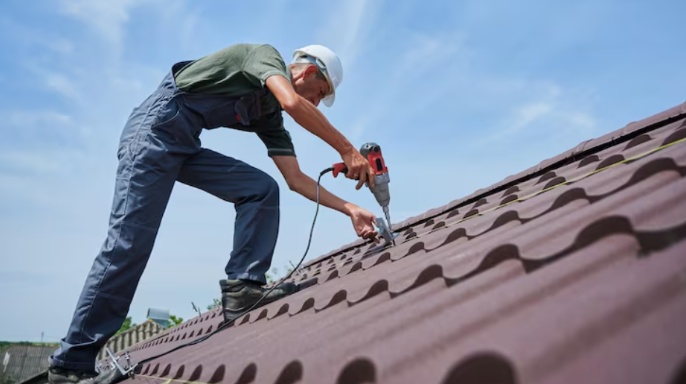
How Roof Repair Specialists Improve the Safety and Longevity of Your Home Roof
A strong and well-maintained roof is one of the most important parts of any home. It protects your family, belongings, and structure from weather, moisture, and outside damage. Over time, roofs naturally face wear and tear due to rain, wind, heat, and storms. This is where professional help becomes important. A skilled roof repair specialist plays a key role in maintaining your roof’s condition and ensuring long-term protection for your home. Understanding the Role of a Roof Repair Specialist A roof repair specialist is trained to identify, diagnose, and fix different types of roof problems. These may include leaks, broken shingles, damaged flashing, or weakened structures. Instead of just fixing visible issues, they also inspect hidden problems that can cause serious damage later. When homeowners notice signs like water stains on ceilings, missing shingles, or damp walls, they often rely on a roof repair specialist to assess the situation. Their experience allows them to find the root cause of the problem and apply the right solution instead of temporary fixes. This ensures that the roof repair work is effective and long-lasting. How Roof Repair Improves Home Safety Safety is one of the biggest reasons homeowners invest in professional roof repair. A damaged roof can lead to serious risks such as water leakage, mold growth, and even structural weakening of the building. In extreme cases, untreated roof damage can cause parts of the roof to collapse. Regular roof repair helps prevent these issues by keeping the roof strong and stable. A roof repair specialist ensures that weak areas are reinforced and potential hazards are removed before they become dangerous. They also make sure that rainwater flows properly through gutters and drainage systems, preventing water from pooling on the roof. By addressing small issues early, roof repair helps protect the entire home structure and keeps the living environment safe for everyone inside. Increasing the Longevity of Your Roof One of the most important benefits of timely roof repair is that it extends the life of your roof. Every roof has a limited lifespan, but proper maintenance can significantly increase its durability. Weather conditions, debris, and aging materials can slowly damage the roof if left unchecked. A roof repair specialist helps slow down this process by repairing minor damage before it spreads. Replacing a few broken tiles or sealing small leaks early can prevent costly full roof replacements in the future. Regular roof repair also helps maintain the quality of roofing materials, keeping them strong for a longer time. This proactive approach not only saves money but also reduces stress for homeowners by avoiding sudden roofing emergencies. Choosing the Right Roof Repair Specialist Selecting the right professional for roof repair is essential for getting quality results. A reliable roof repair specialist should have experience, proper knowledge of roofing systems, and a good reputation for handling different types of roof damage. Homeowners should also ensure that the specialist conducts a full inspection before starting any repair work. Clear communication about the roof repair process and honest assessment of the damage are signs of a trustworthy professional. This helps ensure that the work is done correctly and efficiently. Conclusion A roof is one of the most valuable parts of any home, and keeping it in good condition should always be a priority. Hiring a roof repair specialist ensures that your roof repair needs are handled with care and expertise. From improving safety to increasing durability, professional roof repair services play an essential role in protecting your home and extending the life of your roof. Regular maintenance and timely repairs can save homeowners from major expenses while keeping their living space safe and secure.