

Small decorative details can make a noticeable difference in the appearance and comfort of a room. Neutral throw pillows are especially versatile because they can complement many interior styles without overwhelming the existing décor. Shades such as cream, beige, ivory, taupe, gray, and soft brown can create a calm and balanced atmosphere while adding softness to sofas, beds, chairs, and benches. Whether your home follows a modern, minimalist, farmhouse, Scandinavian, traditional, or contemporary design, neutral pillows can be mixed with different textures and shapes to create a coordinated appearance. Their versatility also makes them useful when refreshing a room without replacing larger furniture pieces. What Are Neutral Throw Pillows? Neutral throw pillows are decorative cushions designed in subtle colors that generally work well with a wide range of interior palettes. Common neutral shades include white, cream, beige, tan, taupe, gray, and brown. These pillows may be plain or feature subtle patterns, textures, embroidery, stripes, checks, or geometric designs. Because their colors are understated, they can be layered with other decorative pieces without making the room feel visually crowded. Neutral pillows are not limited to one particular decorating style. Their simplicity allows them to work as supporting elements in both traditional and contemporary interiors. Why Choose Neutral Pillows? One of the main advantages of neutral pillows is versatility. They can be moved from one room to another and combined with changing décor throughout the year. A neutral pillow can also help balance stronger colors in a room. If a sofa, rug, artwork, or curtains already contain bold shades, softer cushions can provide visual breathing room. Another benefit is their timeless appearance. Neutral colors are less dependent on seasonal trends, which means they can remain useful even when other decorative elements change. Choosing the Right Neutral Colors Not every neutral shade creates the same atmosphere. Warm neutrals such as cream, beige, camel, and soft brown can make a room feel inviting and cozy. Cooler neutrals such as gray, stone, and soft white can create a cleaner and more contemporary appearance. When choosing pillows, consider the existing colors in the room. Warm neutral cushions generally work well with wood tones and warm lighting, while cooler neutrals can complement metal finishes and modern color palettes. Using several shades from the same neutral family can also create depth without introducing strong contrasts. Mixing Different Textures Texture is particularly important when decorating with neutral colors. Without variation, several beige or cream pillows may look flat. Combining materials such as linen, cotton, velvet, boucle, wool, knitted fabric, and woven textiles can create visual interest. For example, a smooth cotton pillow can be paired with a textured woven cushion and a soft knitted design. The colors remain coordinated while the different surfaces make the arrangement more dynamic. Texture can also influence the atmosphere of a room. Chunky knits and boucle tend to create a cozy appearance, while linen and smooth cotton can feel lighter and more relaxed. Neutral Pillows for the Living Room The living room is one of the most common places to use decorative pillows. A neutral sofa can be styled with several shades of cream, beige, taupe, or gray. Instead of using identical pillows, consider combining different sizes, shapes, and textures. Larger square cushions can form the base, while smaller rectangular or lumbar pillows can be placed toward the front. If the sofa is already colorful, neutral pillows can help create balance. If the sofa is neutral, subtle patterns or contrasting textures can prevent the arrangement from appearing too plain. Neutral Pillows for the Bedroom Throw pillows can also add softness and visual interest to a bed. Layering pillows in different sizes can create a comfortable and finished appearance. A simple bedroom can use cream, ivory, beige, and soft gray pillows for a calm atmosphere. Adding textured fabrics can provide depth without introducing bold colors. Consider coordinating the pillows with the bedding, curtains, rug, or upholstered furniture. The goal does not necessarily need to be an exact color match. Slight variations can create a more natural and layered appearance. Neutral Pillows in Modern Interiors Modern interiors often benefit from simple shapes, restrained colors, and clean lines. Neutral cushions fit naturally into this aesthetic. Choose pillows in shades such as ivory, stone, light gray, taupe, or beige. Minimal patterns and subtle textures can add interest without disrupting the clean appearance. Geometric shapes, simple stripes, and understated woven patterns can also work well in modern spaces. Avoid using too many decorative elements at once. A carefully selected group of cushions can make a greater impact than a crowded arrangement. Neutral Pillows for Farmhouse and Rustic Décor Neutral cushions are also well suited to farmhouse and rustic interiors. Cream, oatmeal, beige, tan, and warm gray can complement natural wood, woven baskets, linen curtains, and other rustic materials. Textured fabrics can enhance the relaxed character of these spaces. Plaid, ticking stripes, subtle checks, and simple woven patterns can introduce visual interest while maintaining a neutral palette. Pairing cushions with natural materials can create a comfortable and welcoming atmosphere. How to Arrange Throw Pillows Pillow arrangement depends on the size and shape of the furniture. On a sofa, larger pillows can be placed toward the back with smaller cushions layered in front. For a more symmetrical appearance, use similar arrangements on both sides. For a relaxed look, vary the shapes and textures while maintaining a consistent color palette. On a bed, larger pillows can sit behind standard sleeping pillows, followed by decorative squares or lumbar cushions. Avoid filling every available space. Leaving some room can make the arrangement appear more intentional and comfortable. Seasonal Decorating With Neutral Pillows Neutral cushions can be used throughout the year because they are easy to adapt to seasonal décor. In spring and summer, lightweight linen and cotton textures can create a fresh appearance. During autumn and winter, heavier knits, boucle, velvet, and woven fabrics can add warmth. Seasonal accents can also be introduced without replacing the entire pillow collection. A few pillows in

Practical Roofing Tips for Protecting Your Home
A dependable roof plays an important role in protecting a home from weather, moisture, heat, and everyday wear. Homeowners working with Done Rite Roofing may want to understand when roofing work is needed, how to prepare for repairs, and what factors matter when planning a replacement. Regular attention can help identify problems early and support the long-term condition of the property. Know the Signs of Roof Problems Roof issues are not always immediately obvious from inside the home. Regular visual inspections can help homeowners notice potential concerns before they become more serious. Common signs include: Addressing visible problems promptly may help prevent additional damage. Consider the Age of the Roof Roofing materials have different expected service lives. The age of an existing roof can therefore be an important factor when deciding whether repairs or replacement should be considered. Older roofing systems may require more frequent maintenance. A professional inspection can provide a clearer understanding of the roof’s current condition and help homeowners plan future work. Choose Materials Carefully Roofing materials affect durability, appearance, maintenance requirements, and performance. Options can vary based on the home’s design, local conditions, budget, and project goals. Consider factors such as: Discussing these factors with a qualified roofing professional can help homeowners understand which options may be appropriate for their property. Prepare for a Roofing Project Before work begins, homeowners should understand the expected scope of the project. Ask about the materials being used, estimated schedule, preparation requirements, cleanup, and how unexpected issues will be handled. It is also useful to protect fragile outdoor items and make arrangements for temporary disruptions around the property during construction. Maintenance Matters Even a newly installed roof benefits from regular attention. Keep gutters clear, inspect visible roofing areas periodically, and look for damaged flashing or signs of moisture. Trees near the home should also be monitored because branches can damage roofing materials during severe weather. Working With a Roofing Professional Homeowners researching residential roofing anaheim ca should compare experience, services, communication practices, project preparation, and the materials offered by different roofing professionals. A clear inspection and written project proposal can help homeowners understand the recommended work before construction begins. Asking questions about warranties and maintenance can also provide useful information for long-term planning. Final Thoughts A roof is a major part of a home’s protection and overall structure. Paying attention to warning signs, understanding the condition of the existing system, selecting suitable materials, and planning maintenance can help homeowners protect their property and make informed roofing decisions over time.
Roof Lights: Bring Light Into Your Life
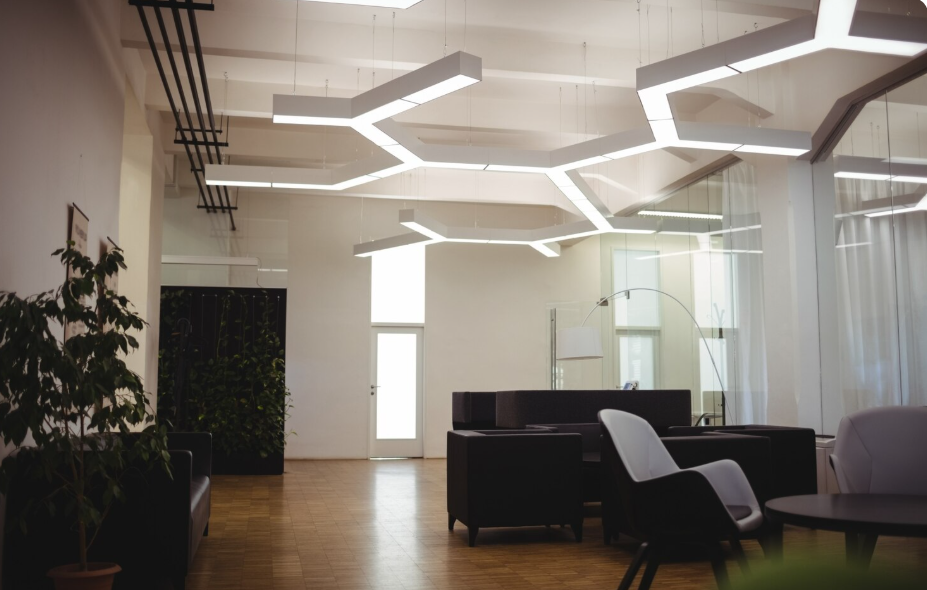
Natural light can transform a home, but when it’s not possible to add more conventional windows, rooflights can be a great solution. Ideal for adding light to kitchens, hallways, extensions, bathrooms, loft conversions, living rooms, rooflights are available in a range of modern styles to complement the decor of any home. Carefully positioned and installed, roof lights can transform the look and feel of a home interior, bringing in much needed natural illumination. What are roof lights? Rooflights are glazed openings into a roof to allow natural daylight to enter a building from above. Available in a range of styles, including: Flat roof lights Skylights Roof windows Fixed roof glazing Opening roof lights Tubular daylight systems each with their own particular benefits, roof lights can be a great way of adding much needed natural light to a home. However, the most suitable style will depend on a number of factors including the room itself, the building structure and whether or not ventilation is required. The benefits of roof lights for the home Most notably, roof lights can be a great way of introducing much needed natural light into the home, transforming a dull and gloomy room into a bright and airy space. Other potential benefits include: Bringing light into the home Creating the illusion of a larger space Providing a welcome alternative to electric lighting Bringing a touch of architecture and style Enhancing the view from inside the home Creating natural ventilation with an opening roof The combination of a roof light and good interior design can transform a home. What styles of roof light are available? There are a number of different roof light styles available, each offering a slightly different set of benefits. Fixed roof lights Designed simply to provide an additional source of natural light, fixed roof lights cannot be opened for ventilation. Opening roof lights Offering the benefits of natural light and ventilation, opening roof lights can be manually or electrically operated. Flat roof lights Flat roof lights are ideal for use on extensions, garages, kitchens, and contemporary additions to the home, offering a clean, modern aesthetic. Tubular roof lights For smaller and enclosed spaces, tubular roof lights can be a great solution to introduce natural light. Where should roof lights be installed? The most beneficial location for roof lights will depend on the individual property and how it is used, but kitchens are often a particularly good candidate for roof light installation due to the additional source of natural light. Roof lights can also be installed in: Hallways Staircases Bathrooms Office spaces Dining rooms Living rooms Loft conversions Home extensions Careful consideration should be given to the internal furnishing and fittings, as well as the structure of the roof and the likely angle of sunlight in the proposed installation location. A roof light is unlikely to be a good fit in a building with minimal natural light, such as a basement. Roof lights and interior design Not only are roof lights a source of natural illumination, but they also have the potential to be a dramatic design feature within a room. Daylight streaming in from a roof light can create interesting lighting effects within the room, depending on the time of day. With minimalist interiors benefitting greatly from the clean lines of a contemporary roof light, and traditional properties able to use more traditional styled roof windows, the choice of roof light can be an important part of any interior design scheme. Consideration should be given to how the proposed roof light will complement the overall design in terms of walls, flooring, furniture and lighting. Ventilation benefits of opening roof lights Natural ventilation can be a great benefit, and opening roof lights can provide an alternative to extractor fans or air conditioning. Warm air rises, meaning that installing an opening roof light can be a great way of encouraging the circulation of warm air out of a room. Opening roof lights can be particularly beneficial in: Kitchens Bathrooms Upper floor rooms Loft spaces Conservatories and extensions However, the particular requirements of the property should be considered in order to determine if an opening roof light would be a beneficial addition. Thermal performance and efficiency When considering the installation of a roof light, it is important to look beyond aesthetics. Factors such as glazing, frames, internal and external insulation, and correct installation will all affect the thermal performance of the roof light and its impact on the overall energy efficiency of the home. A poorly planned or installed roof opening could lead to issues with condensation and unwanted heat loss or gain. Careful consideration should be given to the likely solar gain of the proposed roof light installation, particularly if the room is likely to be exposed to direct sunlight for long periods of the day. Solar gain can be controlled or reduced using blinds, shades or solar glass depending on the requirements of the room. Maintenance and cleaning As roof lights are exposed to the elements, any potential maintenance or cleaning requirements should be considered prior to installation. Dust, leaves, rainwater marks and other debris can all build up on roof glazing, potentially impacting on the appearance of the roof light. Consider a roof light design that allows for easy access and inspection, and opt for products that have been specifically designed with ease of maintenance in mind. Periodic inspection and cleaning of the roof light seals and frame is recommended to prevent any issues caused by exposure to the elements. Installation considerations The process of roof light installation involves much more than simply cutting an opening in the roof for the new glazing. A reputable professional installers will be able to advise on the most suitable fixings, insulation, waterproofing and roofing materials, and the impact on the overall structure of the home. Correct installation is critical to preventing issues such as water ingress, damp, heat loss, and damage to the roof structure. Building regulations or other local requirements may need to be taken

Rustic Wall Art Decor: Warmth and Comfort Inspirations for Every Interior
The interior of a house is a harmonious combination of elements. Furniture and lights bring warmth and coziness, but it is the decor that reflects the personalization of the space. Rustic decorating is a perfect option for people who like the beauty of nature in their home. Rustic wall art decor combines wood, metal, natural elements, vintage, and handmade into one style. This interior decoration creates a harmonious blend of comfort in any place, from the living room to the bedroom. Rustic Wall Art Decor: Warm and Cozy Inspiration for the Home Rustic wall decor is characterized by its natural, old-fashioned, and comfortable vibes. This decorating style does not follow the trends of gloss and brightness that urban decorators advocate. Some common elements of rustic wall art decor are: • Natural wood and its various applications • The use of earthy tones • Vintage signs • Metal details • Botanical prints • Handmade crafts • Distressed textures • Neutral colors These details add coziness without cluttering the interior with excessive elements. Opt for Wood to Decorate Your Walls with Rustic Style Wood is the base of any rustic decoration, and there are many ways to implement it. Barnwood, wooden signs or plaques, reclaimed timber, or woodwork in general will bring the natural atmosphere into the house. The rustic wall decor can combine larger woodworks above the sofa or bed or create a gallery of small wooden paintings and signs. Pay attention to the furniture in the room when selecting wooden accents for it. If the interior is light, it will not look very harmonious with large dark wooden inserts. Add Coziness With Vintage Wall Signs It is always easier to start with smaller accents when creating a new decorating concept. A rustic living room or even a bedroom can be enhanced with vintage signs. They can come in different sizes and fonts – from simple words to phrases with a country flair. Signs can be used in every corner of the house: over the kitchen sink, behind the sofa, or above the bed. The rustic decor signs can depict various sayings – for the kitchen, messages to the owners, or even the countryside. The size is also a relative factor: one large sign can be enough, as it often dominates the interior. Bring the Beauty of Nature Into Your Home With Rustic Wall Decor Nature is the perfect source of inspiration for creating a rustic decorating concept. Rustic wall art with botanical prints, leaves, wood, landscapes, mountains, or forests will bring serenity and calmness to any interior. Combining different elements is even more effective: a neutral landscape painting can be grouped with framed botanical prints or woven willow branches and dried bouquets. Adding greenery is also a great idea, as it will make the interior more lively and less wooden, which is especially important when there are wooden inserts. Group Different Prints in a Gallery Wall for a Cozy Living Room Creating a gallery wall is a popular way to display a group of different works in one interior. For a rustic decor concept, the main rule is to find a common feature that binds the group: neutral colors, wood, vintage signs, metals, and natural landscapes. First, select the central work and then look for other pictures in its style. The rustics can also be combined with metal: geometric signs, metal leaves, farm accents, or even nature motifs in this material. Creating rustic gallery walls saves space, so the group should not be too dense. An effective solution for mounting rustic signs is to lay them all out on the floor in advance to roughly distribute the picture. It will save both time and effort. Opt for Metal Decor Rustic for Unique Accent Metal details can be combined with wood to create a unique contrast. Black, bronze, copper, or weathered metal inserts will look stylish against light wood. Metal wall decor can have a rustic country style or be more urban-chic. Rustic metal decor can be used in almost every room in the house. It is better to use metal and wood together to avoid making the interior too similar. Metal works also have noticeable advantages: a large choice of motives, from geometric figures to country landscapes, a wide range of sizes, and relatively simple combination with other materials. Rugs, Woodwork, and Metallics for Rustic Living Room Decor Few elements can make as big a difference in the interior as a well-chosen piece of art. Even more so when rustic decorating is used, which focuses primarily on art. The living room is probably the best place to start because there are so many options to choose from. Above the sofa, a bold statement piece of art can anchor the room. Or something more subtle, like botanical prints or metal wall scenes. It is important to note the scale of the furniture in the room: large items of furniture need large inserts, but not necessarily large ones. On the contrary, an oversized picture above a modest sofa can throw off the balance of the interior. Rustic Bedroom Decor with Wooden Inserts and Warm Colors The bedroom is a sanctuary, a place where you can relax and unwind after a long day. The rustic decorating concept is great for this room since it uses earthy and warm tones. Rustic art creates a cozy atmosphere in an interior, so it is worth drawing attention to those pictures that will become the center of the composition. Large wooden inserts or landscape paintings in neutral tones are good options. For a more delicate look, a group of pictures in complementary colors works well. The rustic art concept is great for an interior of any color. Neutral colors are the easiest to work with since they blend in with other elements. If neutral colors are not a priority, then choose accent colors that will enrich the interior. It should also be borne in mind that neutral colors are easier to combine with the colors of

How to Stay Calm and Take the Right Steps During a Plumbing Leak
A plumbing leak can happen without warning. Whether it’s a dripping pipe under the sink or a burst water line flooding your home, the situation can quickly become stressful. It’s easy to panic when you see water spreading across the floor, but staying calm is one of the most important things you can do. Knowing how to respond in those first few minutes can help reduce damage, protect your belongings, and make the repair process much easier. Understanding the basics of handling emergency plumbing during water leaks can make a significant difference before professional help arrives. Stay Calm and Assess the Situation Your first reaction may be to stop the water immediately, but take a moment to understand what’s happening. Look at the source of the leak if it’s safe to do so. Is it coming from a faucet, an appliance, a toilet, or a pipe behind the wall? Avoid walking through standing water if electrical outlets or appliances are nearby. If you believe electricity could be involved, turn off the power to the affected area before approaching the leak. Taking a few seconds to assess the problem will help you respond more effectively and avoid unnecessary risks. Turn Off the Water Supply Stopping the flow of water is the most important step after identifying a leak. For smaller issues, you may only need to close the shut-off valve connected to the affected fixture. Sinks, toilets, washing machines, and water heaters often have individual shut-off valves nearby. If you cannot locate the source or the leak is severe, turn off your home’s main water supply. Every homeowner should know where the main shut-off valve is located before an emergency occurs. Acting quickly can prevent hundreds of gallons of water from causing additional damage. Protect Your Home From Further Damage Once the water has stopped flowing, focus on limiting the damage inside your home. Move furniture, electronics, rugs, and valuable items away from the affected area if possible. Use towels, mops, or a wet vacuum to remove standing water. Placing buckets or containers under active drips can also help contain the leak until repairs are made. The longer water sits on floors, walls, or ceilings, the greater the chance of structural damage and mold growth. Quick cleanup is essential. Identify the Severity of the Leak Not every plumbing leak requires the same level of response. A slow drip under a sink may simply need a worn washer or loose connection repaired. On the other hand, a burst pipe, leaking water heater, or rapidly spreading ceiling leak should be treated as an emergency. Watch for signs that indicate a more serious problem, including: Water flowing continuously even after using fixture controls. Sudden drops in water pressure throughout the home. Water stains spreading across ceilings or walls. Strange noises coming from pipes. Unexplained puddles around the foundation. Recognizing the seriousness of the issue will help you determine how urgently repairs are needed. Avoid Temporary Fixes That Can Make Things Worse It may be tempting to wrap a leaking pipe with tape or tighten fittings without knowing the cause of the problem. While temporary measures may slow a leak, they should never replace proper repairs. Using the wrong materials or applying excessive force can worsen damaged pipes or create additional leaks. If you’re unsure about the source or repair method, it’s usually best to contain the water and wait for a qualified plumber rather than risk causing further damage. Document the Damage If your leak causes significant property damage, take photographs before beginning major cleanup. Document affected flooring, walls, furniture, appliances, and any visible plumbing damage. These photos may be helpful if you need to file a homeowners insurance claim. Keep receipts for emergency cleanup supplies or restoration services, as some policies may reimburse certain expenses depending on your coverage. Watch for Hidden Moisture Even after the visible water is removed, moisture can remain inside walls, insulation, cabinets, or flooring. Pay attention over the following days for signs such as: Musty odors. Peeling paint. Warped wood flooring. Soft drywall. New water stains. Hidden moisture can lead to mold growth if left untreated, so don’t ignore changes that appear after the initial leak has been repaired. Know When to Call a Professional Some minor plumbing issues are relatively simple to address, but larger leaks often require professional expertise. Call a licensed plumber if: The leak cannot be stopped. Pipes have burst or cracked. Water is leaking from inside walls. Your water heater is leaking. Multiple fixtures are affected. You’re unsure where the leak is coming from. Professional plumbers have specialized tools to locate hidden leaks, repair damaged pipes, and inspect your plumbing system for additional issues that may not be immediately visible. Prevent Future Plumbing Emergencies While not every plumbing problem can be prevented, regular maintenance greatly reduces the risk. Inspect exposed pipes every few months for signs of corrosion or moisture. Replace worn hoses connected to washing machines and dishwashers before they fail. During colder months, insulate vulnerable pipes to help prevent freezing. It’s also helpful to test shut-off valves occasionally to ensure they still operate properly. Many homeowners discover a valve is stuck only after an emergency has already started. Simple preventative maintenance today can help you avoid expensive repairs tomorrow. Final Thoughts A plumbing leak can feel overwhelming, but staying calm allows you to make better decisions during a stressful situation. Turning off the water, protecting your home, documenting the damage, and recognizing when professional help is needed can significantly reduce the impact of the problem. Preparation is just as important as your response. Knowing where your shut-off valves are, performing routine plumbing inspections, and acting quickly when a leak appears can save both time and money. With the right steps, even an unexpected plumbing emergency can be managed safely and effectively.

Luxury Restroom Trailer Rentals Near Me: What to Know Before Booking
Planning an event takes time, and guest comfort should be part of the plan. A luxury restroom trailer can provide a clean, private, and comfortable bathroom space when an event venue does not have enough restrooms. These trailers are a popular choice for weddings, parties, corporate events, and outdoor gatherings. Before booking, it helps to know what to look for and what questions to ask. Consider Your Guest Count The number of guests is one of the first things to consider. A small gathering may only need a compact trailer, while a large event may need several stalls. Too few restrooms can create long lines and discomfort. Ask the rental company about the right trailer size for your guest count and event length. Check the Trailer Features Luxury restroom trailers can offer more than a basic portable toilet. Depending on the unit, features may include flushing toilets, running water, sinks, mirrors, lighting, climate control, and stylish interiors. Before booking, make a list of the features your guests will need. If your event is taking place during hot or cold weather, climate control may be especially helpful. Ask About Delivery and Setup Delivery and setup are important parts of the rental process. Ask where the trailer will be placed and whether the location has enough space for delivery. You should also check if the site needs access to power or water. Knowing these details early can help prevent delays on event day. Understand the Rental Cost Rental prices can vary based on the trailer size, rental length, features, event location, and number of guests. Ask for a clear quote before booking. It is also important to ask about delivery fees, cleaning, setup, deposits, and any possible extra charges. A detailed quote makes it easier to plan your event budget. Book Early for Your Event Luxury restroom trailers can be in high demand during busy event seasons. Booking early gives you more time to choose the right trailer and schedule a delivery time that works for your event. Last-minute planning may limit your options, especially for weddings and large gatherings. How Party Pottys Can Help At Party Pottys, we understand that clean and comfortable restrooms can make a big difference at any event. We offer luxury restroom trailer rentals designed to meet different guest and event needs. We work closely with our clients to help choose the right trailer, explain the rental process, and provide dependable delivery and setup so guests can enjoy a comfortable experience from start to finish. This post was written by a professional at Party Pottys. Party Pottys is a full-service luxury restroom trailer rental company in Tampa, Florida, specializing in luxury portable restroom trailers and restroom trailer rental in Tampa, for events, weddings, corporate gatherings, festivals, and construction sites. As one of the leading luxury restroom trailer rental companies near you, we serve clients throughout Tampa Bay, including Hillsborough, Pinellas, and Pasco Counties. Our experienced team provides expert guidance and reliable solutions, making us a trusted choice for luxury restroom trailer rental near you, focused on quality, value, and performance.

Asphalt Company Utah Services for Driveways and Parking Lots
Businesses depend on well-maintained pavement to provide convenient access for customers, employees, suppliers, and commercial vehicles. Parking lots, business driveways, access lanes, loading areas, and service roads all need to withstand regular traffic while maintaining a professional appearance. Choosing an experienced asphalt company Utah businesses can trust is an important part of protecting that investment. Professional asphalt services can address everything from new parking lot construction and commercial driveways to resurfacing, repairs, drainage improvements, and ongoing maintenance. By understanding the services available and the factors involved in commercial paving, property owners can make informed decisions for their businesses. The Importance of Commercial Asphalt Surfaces Commercial asphalt surfaces serve an important role in everyday business operations. A parking lot gives customers and employees a convenient place to park, while commercial driveways and access lanes connect different areas of a property. Warehouses, offices, retail centers, restaurants, industrial facilities, and other businesses may also depend on paved loading zones and service routes. When pavement becomes damaged, business operations can become more difficult. Potholes, cracks, uneven surfaces, and drainage problems can affect the appearance and functionality of a property. Professional asphalt services can help businesses maintain reliable pavement and address problems before they become more extensive. Commercial Driveways Are Different From Residential Driveways Although the term “driveway” is commonly associated with homes, commercial properties also have driveways and entrance lanes. These areas can experience much higher traffic than residential driveways. A business driveway may be used by customers, employees, delivery trucks, service vehicles, and suppliers throughout the day. Because of this traffic, commercial driveways require careful planning based on vehicle types, traffic volume, pavement conditions, and drainage. Businesses should work with contractors that understand commercial applications rather than treating every driveway project as a residential paving job. Parking Lot Paving for Businesses Parking lots are one of the most common commercial asphalt applications. A well-designed parking area can improve vehicle movement and provide convenient access to a business. Professional contractors can consider entrances, exits, parking spaces, drive lanes, traffic flow, and high-use areas when planning a parking lot. For businesses, parking lot paving should also account for future needs. Changes in employee numbers, customer volume, delivery activity, or property use may affect how the parking area is used over time. Planning for Heavy Commercial Traffic Not every business property experiences the same level of traffic. An office building may primarily receive passenger vehicles, while a warehouse or industrial facility may have frequent heavy trucks. Commercial asphalt planning should take these differences into account. Delivery routes, loading zones, turning lanes, entrances, and exits can experience additional stress because vehicles may repeatedly stop, turn, or maneuver in these areas. A professional contractor can evaluate traffic patterns and help businesses select an appropriate paving solution. Proper Site Preparation The foundation beneath asphalt is an important factor in pavement performance. Professional paving should begin with appropriate site preparation rather than simply placing asphalt over an existing surface. Depending on site conditions, preparation may involve removing damaged pavement, grading, compacting the base, correcting weak areas, and addressing drainage. Businesses should ask an asphalt contractor to explain what preparation their property requires and why. Proper preparation can help create a stable foundation and support the long-term performance of the finished pavement. Asphalt Resurfacing for Existing Parking Lots Businesses with aging parking lots may not always need complete reconstruction. If the underlying pavement remains structurally suitable, resurfacing may be an option. Resurfacing can provide a renewed surface while addressing certain types of deterioration. However, resurfacing is not appropriate for every situation. Severe structural damage, unstable base conditions, or significant drainage problems may require more extensive work. A professional property assessment can help determine which solution is suitable. Repairing Commercial Pavement Commercial parking lots and driveways can develop cracks, potholes, and other surface problems over time. Repairs can help businesses address localized damage and maintain the usability of their paved areas. Repair requirements depend on the type and severity of the damage. Businesses should not ignore recurring pavement problems. A contractor can inspect the affected area and determine whether a repair is sufficient or whether a larger underlying issue needs attention. Drainage Considerations Water management is an essential part of commercial asphalt construction and maintenance. Poor drainage can contribute to pavement deterioration and create standing water in parking lots or driveways. Before paving, contractors should evaluate grading and water flow across the property. If a business has areas where water consistently collects, these locations should be identified during the site assessment. Addressing drainage concerns can help protect the pavement and reduce recurring maintenance problems. Maintaining Business Access During Construction Commercial paving projects can temporarily affect customers, employees, suppliers, and delivery vehicles. Businesses should discuss access requirements with the contractor before construction begins. For larger parking lots, work may sometimes be completed in phases. This can allow part of the property to remain available while another section is being paved. Scheduling should also take business hours, delivery times, customer traffic, and employee parking into consideration. Careful planning can reduce disruption while allowing the contractor to complete the work efficiently. Choosing an Asphalt Company Utah Businesses Can Trust When selecting an asphalt company Utah property owners should evaluate several factors beyond price. Commercial experience, previous projects, site preparation, drainage knowledge, paving methods, project scheduling, communication, and maintenance recommendations can all provide useful information. Businesses should request detailed estimates and make sure they understand what services are included. Comparing contractors based on complete project value rather than simply the lowest price can lead to better decision-making. Quality Materials and Installation The quality of materials and installation can influence the performance of commercial asphalt. Large parking lots and business driveways require careful coordination of materials, equipment, labor, and construction stages. Professional contractors should use appropriate methods for the project’s conditions and expected traffic. Businesses can ask contractors about their installation process and how they approach areas that experience particularly heavy traffic. Top Job Asphalt for Commercial Asphalt Services Businesses looking for commercial paving services can

Commercial Roofing Contractors and Property Management Companies
In St. Petersburg, commercial properties face unique roofing challenges due to Florida’s intense sun, seasonal storms, heavy rainfall, and coastal humidity. From office buildings near downtown to retail centers serving neighborhoods throughout the city, maintaining a reliable roof is a critical responsibility for property management companies. Working with experienced commercial roofing contractors helps ensure roofs remain in good condition, protecting both tenants and property investments. Property managers often juggle multiple responsibilities, making proactive roof maintenance an essential part of preserving building value and avoiding costly disruptions. The Role of Commercial Roofing Contractors Commercial roofing contractors provide specialized services designed to meet the needs of larger buildings and multi-property portfolios. Unlike residential roofing projects, commercial roofing systems often involve flat or low-slope roofs, complex drainage systems, and specialized materials such as TPO, modified bitumen, metal, and roof coatings. For property management companies, commercial roofing contractors serve as trusted partners by helping identify issues before they become major problems. Regular inspections, maintenance programs, and timely repairs can significantly extend the lifespan of a roofing system while reducing long-term costs. Supporting Subheading: Preventive Maintenance Saves Money One of the biggest advantages of partnering with commercial roofing professionals is preventive maintenance. Small issues such as cracked flashing, clogged drains, or minor membrane damage can quickly escalate if left untreated. In a climate like St. Petersburg, where sudden summer storms and tropical weather systems are common, routine maintenance can help prevent leaks that may disrupt tenants and lead to expensive interior damage. Common Roofing Challenges for Property Managers Property managers throughout St. Petersburg encounter roofing issues that are directly influenced by the local environment. Coastal conditions, high humidity, and intense UV exposure can accelerate roof deterioration over time. Properties located near the waterfront or areas exposed to salt-laden air may experience faster corrosion of metal roofing components. Meanwhile, older commercial buildings may face drainage challenges during Florida’s frequent downpours. Supporting Subheading: Storm Damage and Weather Exposure Strong winds, hail, and tropical storms can create roofing vulnerabilities that aren’t always visible from the ground. Even minor storm damage can compromise waterproofing systems and lead to hidden moisture intrusion. After severe weather events, property management companies often benefit from professional roof inspections to identify damage early. Early detection helps reduce repair costs and may simplify insurance documentation if claims become necessary. Building Long-Term Relationships with Roofing Professionals Successful property management often depends on building strong relationships with reliable service providers. Commercial roofing contractors who understand the needs of property managers can help streamline maintenance planning and budgeting. Regular roof assessments provide valuable information about current roof conditions and expected future expenses. This allows property managers to make informed decisions regarding repairs, restoration projects, or full roof replacements. Supporting Subheading: Planning for Roof Replacement Every commercial roof eventually reaches the end of its service life. By working with qualified roofing professionals, property managers can develop replacement timelines that minimize disruption to tenants and business operations. Instead of waiting for emergency failures, proactive planning allows property owners to schedule roofing work during optimal conditions and budget accordingly. Why Local Roofing Expertise Matters in St. Petersburg Local knowledge plays an important role in commercial roofing performance. Contractors familiar with St. Petersburg understand how the region’s coastal climate affects roofing materials and building structures. They are familiar with common challenges found in neighborhoods throughout the city, from commercial districts near downtown St. Petersburg to properties closer to Tampa Bay and the Gulf Coast. They also understand local building requirements, storm preparedness considerations, and roofing systems that perform well in Florida’s demanding environment. A contractor with local experience can recommend roofing solutions specifically designed to withstand prolonged UV exposure, high humidity levels, and seasonal storm activity that property owners regularly face in Pinellas County. Conclusion Commercial roofing contractors provide valuable support for property management companies by helping protect buildings, reduce maintenance costs, and extend roof life. In St. Petersburg, where weather conditions can place significant stress on commercial roofing systems, proactive inspections and maintenance are especially important. Whether managing a single commercial property or an extensive portfolio, staying ahead of roofing issues can prevent costly repairs and unexpected disruptions. Following severe storms, heavy rainfall, or high-wind events, property owners and managers should consider scheduling a professional roof inspection or consultation to ensure their roofing systems remain safe, secure, and ready to withstand Florida’s changing weather conditions. This post was written by Ted Williams! Ted is the owner of A Old Time Roofing which is the premier Clearwater Roofing Contractor! Ted is a Master Elite Weather Stopper GAF Roofing Contractor, a double award winner of Best Steep-Slope Contractor from GAF and achiever of Master Elite Consumer Protection Excellence from GAF. He has been serving the Pinellas County area since 1978. Old Time Roofing has a tradition of quality workmanship, servicing residential and commercial properties.

Essential Services for Maintaining and Optimizing Your Home
A home is a complex ecosystem that requires consistent attention, modernization, and upkeep to remain a safe and comfortable sanctuary. From managing waste during renovations to upgrading your energy systems for the future, staying proactive with the right services can save you significant time, money, and stress. Whether you are performing routine maintenance or undertaking major improvements, understanding the essential services your home needs is the first step toward long-term property excellence. This article explores the vital services that keep your residence running efficiently and beautifully. Managing Waste Efficiently with Small Skip Hire Every home improvement project, from clearing out a garage to renovating a bedroom, inevitably generates waste that the standard curbside collection cannot handle. Opting for a small skip hire is an incredibly practical solution for maintaining cleanliness during your projects. By having a dedicated container on-site, you eliminate the clutter of debris in your garden or driveway, ensuring a safer workspace. A skip allows you to dispose of bulky items, old furniture, and construction materials conveniently and responsibly, keeping your home environment organized while you focus on the progress of your work. Embracing Sustainable Energy Through Solar Panel Installation As energy costs rise and the global shift toward sustainability accelerates, upgrading your property’s power source has become a priority. Professional solar panel installation is an excellent way to transition your home to clean, renewable energy. By capturing the sun’s power, you significantly reduce your reliance on the grid and lower your monthly utility expenses. Furthermore, solar panels enhance the market value of your residence. Investing in this technology demonstrates a commitment to modern efficiency, providing you with a reliable, long-term power solution that benefits both your budget and the environment. Protecting Structural Integrity with Regular Roofing Services Your roof is the primary barrier between your family and the elements, yet it is often ignored until a leak appears. Regular roof inspections are essential to identify missing shingles, damaged flashing, or signs of water intrusion early on. Engaging with professional roofing services for seasonal maintenance ensures that your home remains protected against severe weather. By catching minor issues before they escalate into costly structural damage, you preserve the lifespan of your roof and maintain the overall health of your property’s framework, ensuring you never have to deal with unexpected interior flooding. Optimizing Climate Comfort with HVAC Maintenance A well-functioning heating, ventilation, and air conditioning system is crucial for your home’s year-round comfort. Over time, dust and debris accumulate in your ducts and filters, forcing the unit to work harder and increasing your energy bills. Routine HVAC servicing is vital to ensure that your home maintains optimal air quality and temperature. Professionals can check for leaks in your ductwork, replace worn components, and ensure that your system is running at its highest efficiency. Consistent maintenance extends the life of your equipment and guarantees a comfortable environment for your family. Enhancing Security with Modern Electrical Inspections Electrical systems are the backbone of modern living, but they require periodic expert oversight to ensure safety. Aging wiring, overloaded circuits, and outdated panels can pose serious fire hazards. Scheduling regular electrical inspections is a crucial service that ensures your home complies with current safety standards. A qualified electrician can identify potential risks, update your wiring, and install safety devices such as surge protectors. By prioritizing electrical safety, you protect your home and your loved ones, ensuring that your power supply remains safe and robust.

5 Ways to Keep Your Land Well Maintained
Keeping up with your land is really important if you want to protect its appearance, performance, and long-term value. Whether you’re working on a farm, managing a big home yard, or handling commercial property, regular care matters because it prevents annoying issues like soil erosion, lumpy ground, thick overgrowth, and drainage trouble that just won’t quit. When a place is properly maintained, it usually looks better; it’s also safer and easier to deal with day-to-day. If you stick to a steady routine and use the right gear, you can keep your land in solid shape all through the year. 1. Routine Checkups on your Property Regular inspections help you spot small problems before they turn into expensive repairs. Just walk around and watch for uneven ground, signs of water runoff, any broken sections in fencing, erosion spots, or places where plants decide to take over. Catching problems early makes the maintenance process less of a headache and keeps your land safe, usable, and pleasant. 2. Use of a Box Scraper A box scraper is one of those tools that actually earns its place when you manage wide outdoor areas. It’s built to smooth out rough spots, distribute gravel, shift soil, and level out low sections with pretty direct results. If you’re caring for a gravel driveway, getting land ready for landscaping, or upgrading farm roads, a box scraper makes it easier to build a flatter, more even surface. And using it regularly can improve drainage, too, since it helps remove dips where water tends to sit. Since it handles multiple tasks with a single attachment, it’s a practical purchase if you want to maintain your land efficiently without running a whole lineup of separate equipment. 3. Control Weeds and Overgrown Vegetation Uncontrolled weeds and overgrown grass can quickly mess up the look and usability of your property. Regular mowing, trimming, and weed removal keep everything pretty tidy and help prevent invasive plants from spreading too quickly. When you keep the vegetation in better shape, it also makes access to different areas easier and reduces the usual hiding spots for pests that like unkempt corners. 4. Improve Drainage Bad drainage can mess up landscaping, weaken the soil, and turn parts of your yard into muddy, hard-to-use areas. Look for places where water tends to stay after a rain, then take steps to improve the flow. Proper grading, cleaning out drainage channels, and removing blockages can guide the water away from buildings, roads, and walkways. When drainage is working well, it protects both the land and the structures sitting on it. 5. Follow a Seasonal Maintenance Schedule Different seasons call for different types of yard care, and it’s the whole point. Spring is usually good for repairing winter damage, while summer tends to be more about mowing and weed control. In autumn, you’ll want to remove fallen leaves and ready the property for colder weather. Winter maintenance might include checking drainage systems and protecting equipment from harsh conditions. If you stick to a seasonal plan, you ensure key tasks get done when they should, which can also lower long-term maintenance costs.