

Keeping a home comfortable, organized, and well-maintained does not always require expensive renovations. Small improvements, regular maintenance, and smart everyday habits can make a noticeable difference. DrHomey Handy Tips focuses on practical ideas for home care, organization, repairs, decorating, and making everyday spaces work better.
The main idea is simple: take care of small problems before they become expensive problems. Regular inspections, seasonal maintenance, and sensible organization can help homeowners maintain their properties more effectively.
What Are DrHomey Handy Tips?
DrHomey Handy Tips can be viewed as a collection of practical home-care ideas covering everything from simple repairs to organization and seasonal maintenance.
Useful areas include:
- Home maintenance
- DIY repairs
- Cleaning and organization
- Interior improvement
- Storage solutions
- Energy-saving ideas
- Seasonal home care
- Safety checks
- Furniture maintenance
- Outdoor upkeep
The goal is not to turn every homeowner into a professional contractor. Instead, simple projects can help homeowners become more confident about maintaining their homes while recognizing when professional help is necessary.
1. Start With Regular Home Maintenance
One of the easiest ways to protect a home is to inspect important areas regularly. Small leaks, damaged seals, clogged gutters, worn weatherstripping, or loose hardware can become larger problems when ignored.
Create a simple monthly checklist that includes:
- Checking under sinks for leaks
- Inspecting doors and windows
- Looking for damaged caulking
- Checking gutters and downspouts
- Testing smoke and carbon monoxide alarms
- Inspecting visible plumbing
- Checking air filters
- Looking for signs of moisture or damage
Seasonal inspections are particularly useful because different parts of a home require attention throughout the year.
2. Keep a Basic Home Tool Kit
Every homeowner can benefit from having a basic set of tools available. You do not need a professional workshop for common household tasks.
Useful tools include:
- Screwdriver set
- Adjustable wrench
- Hammer
- Tape measure
- Pliers
- Utility knife
- Level
- Cordless drill
- Allen key set
- Basic safety glasses
Keeping tools together in one labeled toolbox makes small repairs faster and easier.
3. Fix Small Problems Early
A loose cabinet handle may take only a few minutes to tighten. A small wall hole may require only basic patching and paint. A sticking door may need hinge adjustment or lubrication.
These small tasks can improve the appearance and function of your home while preventing minor issues from becoming more frustrating.
However, electrical systems, gas lines, structural problems, and complicated plumbing should generally be handled by qualified professionals when they exceed your knowledge or comfort level. Safety should always come before saving money.
4. Make Home Organization Easier
A home does not necessarily need more storage—it may need better organization.
Use simple systems such as:
- Labeled storage bins
- Drawer dividers
- Wall shelves
- Entryway hooks
- Under-bed storage
- Multi-purpose furniture
- Baskets for frequently used items
Vertical storage can be particularly useful in smaller rooms because it uses wall space instead of taking up additional floor area.
5. Improve Your Home With Small Design Changes

Home improvement does not always mean replacing expensive furniture or remodeling an entire room.
Small changes can include:
- Rearranging furniture
- Adding a mirror
- Updating cabinet hardware
- Improving lighting
- Adding decorative cushions
- Repainting an accent wall
- Installing floating shelves
- Adding plants
- Replacing outdated décor
These simple changes can refresh a room without requiring a major renovation.
DrHomey Handy Tips for Different Home Areas
| Area | Handy Tip | Main Benefit |
|---|---|---|
| Kitchen | Organize cabinets and drawers | Easier daily use |
| Bathroom | Check seals and plumbing | Helps prevent water damage |
| Living Room | Reduce unnecessary clutter | Cleaner appearance |
| Bedroom | Use vertical storage | Saves floor space |
| Entryway | Add hooks and baskets | Better organization |
| Outdoor Area | Inspect furniture and surfaces | Extends usability |
6. Use Seasonal Maintenance Routines
Different seasons bring different maintenance needs. A seasonal checklist helps prevent important tasks from being forgotten.
Spring
Inspect outdoor areas, clean gutters, check windows, and look for damage that may have developed during winter.
Summer
Pay attention to cooling equipment, outdoor furniture, gardens, patios, and ventilation.
Fall
Prepare heating systems, clean gutters, inspect doors and windows, and address drafts before colder weather arrives.
Winter
Protect vulnerable plumbing, monitor leaks, maintain safe walkways, and keep indoor spaces properly maintained.
Seasonal maintenance is one of the recurring themes in DrHomey guidance because preventative care can help homeowners identify issues earlier.
7. Save Energy With Simple Changes
Energy efficiency can begin with small everyday improvements. Replacing older bulbs with LEDs, reducing unnecessary standby power, and choosing efficient appliances can help reduce energy use.
You can also:
- Turn off unused lights.
- Unplug equipment that is not needed.
- Use natural light when practical.
- Seal obvious drafts around doors and windows.
- Maintain heating and cooling equipment.
- Keep filters clean or replace them as recommended.
Simple habits can make a home more efficient without requiring a major investment.
8. Know When to Call a Professional
DIY projects can be rewarding, but not every repair should be handled independently.
Professional assistance is particularly important for:
- Major electrical work
- Gas-related problems
- Structural damage
- Significant roof problems
- Major plumbing failures
- Large remodeling projects
- Serious water damage
A good homeowner knows not only how to fix simple problems but also when a project has moved beyond safe DIY territory.
9. Create a Simple Home Maintenance Schedule
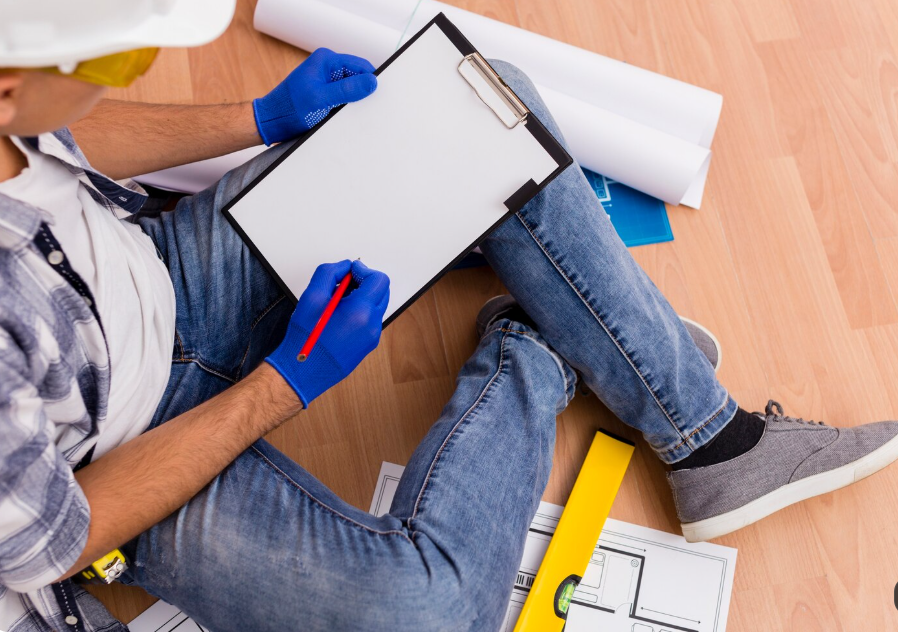
Instead of waiting until something breaks, create a regular routine.
Weekly
- Declutter major rooms
- Clean high-use surfaces
- Check for obvious leaks
- Organize frequently used areas
Monthly
- Inspect filters
- Check smoke alarms
- Examine plumbing areas
- Inspect doors and windows
Seasonally
- Clean gutters
- Inspect outdoor areas
- Review heating or cooling systems
- Check for weather-related damage
This approach makes home maintenance feel manageable rather than overwhelming.
Key DrHomey Handy Tips to Remember
- Fix small problems before they grow.
- Keep essential tools organized.
- Maintain a seasonal checklist.
- Declutter regularly.
- Use vertical storage.
- Improve lighting and furniture layouts.
- Inspect plumbing and visible moisture areas.
- Make energy-efficient choices.
- Keep safety equipment working.
- Know when professional help is needed.
Final Thoughts
DrHomey Handy Tips are centered around a practical approach to homeownership: maintain what you already have, improve spaces gradually, stay organized, and address small problems before they become expensive repairs.
You do not need a huge budget or advanced construction skills to make meaningful improvements. A well-organized toolbox, regular maintenance routine, smart storage, and a willingness to handle appropriate small projects can make everyday home care much easier.
Most importantly, safety should always come first. When a repair involves significant electrical, gas, structural, or other serious risks, bringing in a qualified professional is the smarter choice.
FAQs About DrHomey Handy Tips
1. What are DrHomey Handy Tips?
DrHomey Handy Tips are practical home-care and improvement ideas covering maintenance, organization, cleaning, DIY projects, seasonal care, and everyday home management.
2. What basic tools should every homeowner have?
A screwdriver set, hammer, adjustable wrench, pliers, tape measure, utility knife, level, and cordless drill are useful starting points for basic household tasks.
3. How often should I perform home maintenance?
Simple checks can be performed monthly, while larger tasks such as gutter cleaning, outdoor inspections, and heating or cooling checks can be scheduled seasonally.
4. Can I complete home repairs myself?
Many minor tasks can be suitable for DIY, but major electrical, gas, structural, and complicated repair work should be handled by qualified professionals when appropriate.
5. How can I keep my home organized?
Start by removing unnecessary items, assigning storage areas, using labeled containers, adding vertical storage, and creating simple routines for putting frequently used items back in their designated places.
One Comment
[…] Read more: DrHomey Handy Tips: Practical Home Improvement, Maintenance, DIY Ideas, and Smart Home Care […]