
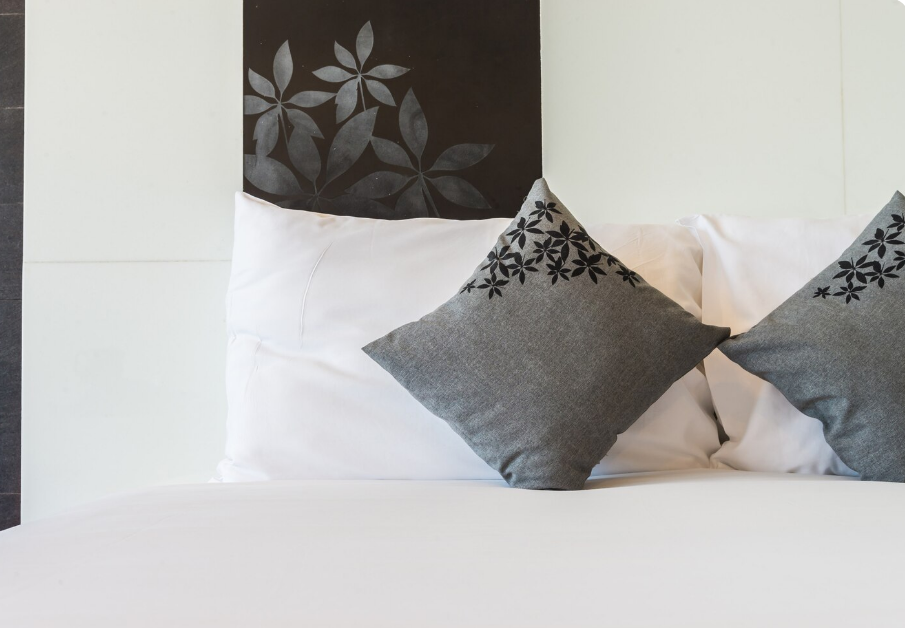
A black and white throw pillow can instantly refresh the appearance of a room without requiring a major furniture change or expensive renovation. The classic combination of black and white works across many interior styles, from modern and minimalist spaces to farmhouse, contemporary, Scandinavian, and traditional homes. Because these two colors create a strong visual contrast, they can add character to a sofa, bed, accent chair, bench, or reading corner. Whether you want a bold geometric design or a simple textured cushion, black and white pillows provide an easy way to introduce pattern, depth, and personality into your home.
Why Black and White Remain Popular in Interior Design
Black and white are among the most adaptable colors in home decoration. Black can provide visual depth and definition, while white creates brightness and a sense of openness. Together, they create a balanced combination that can work as either a subtle accent or a strong focal point.
One of the biggest advantages of this color combination is its ability to complement other colors. A black and white pillow can be placed in a room featuring beige, gray, brown, blue, green, or even brighter accent colors without looking out of place.
The combination also has a timeless quality. Trends in interior design change frequently, but neutral colors tend to remain useful for many years. Choosing versatile accessories can make it easier to update a room without replacing everything when your decorating preferences change.
Choosing the Right Pillow Design
The design of a pillow can dramatically influence how it looks in a room. Some styles are understated, while others immediately attract attention.
Geometric patterns are popular for contemporary interiors. Stripes, squares, diamonds, triangles, and abstract shapes can add structure to a plain sofa or bed.
For a softer appearance, consider pillows featuring subtle patterns, woven textures, small dots, or organic shapes. These designs provide visual interest without dominating the rest of the room.
Typography and graphic designs can create a more casual appearance, although they should be selected carefully so that the pillow complements the surrounding decor.
For traditional or farmhouse interiors, patterns such as checks, simple stripes, or classic woven designs can provide warmth and character.
How to Match a Throw Pillow With a Sofa
A pillow should complement the sofa rather than compete with it. Before selecting one, consider the sofa’s color, material, shape, and overall style.
A neutral sofa provides considerable flexibility. Black and white pillows can create contrast against cream, beige, gray, or light-colored upholstery. On a darker sofa, a predominantly white pillow can brighten the arrangement, while black patterns can add definition.
If the sofa already contains several patterns, a simpler pillow may create better balance. Conversely, a plain sofa can benefit from a stronger geometric or graphic pattern.
Size also matters. Large sofas generally look better with a combination of larger and smaller cushions, while compact seating may look crowded if too many oversized pillows are added.
Using Black and White Pillows on a Bed
Throw pillows are not limited to living rooms. They can also enhance bedrooms by adding layers and texture to bedding.
A white or neutral bedspread provides an excellent background for black and white decorative pillows. A few patterned cushions can create a polished appearance without changing the main bedding.
Layering different sizes can make the arrangement look more intentional. Larger pillows can be placed toward the back, followed by medium decorative cushions and a smaller accent pillow near the front.
Texture is particularly useful in bedrooms. Combining smooth cotton, woven fabric, velvet, linen, or boucle-style materials can make a monochromatic arrangement feel more interesting.
Popular Patterns to Consider
There are many black and white patterns available, and each creates a different visual effect.
Stripes are simple and versatile. Vertical stripes can create a sense of height, while horizontal stripes may create a wider visual impression.
Checkerboard patterns have a bold and contemporary appearance. They can work especially well in modern rooms where strong geometric details are already present.
Abstract patterns are useful for homeowners who want something artistic without committing to bright colors.
Floral patterns can soften the contrast between black and white. Depending on the design, they can work in traditional, modern, or transitional spaces.
Animal-inspired patterns can introduce a playful or dramatic element, while subtle woven patterns offer a more understated option.
Choosing the Right Fabric
Fabric affects both appearance and practicality. A pillow that looks attractive in a photograph may not be the best choice for a frequently used sofa if the material is difficult to maintain.
Cotton is popular because it is comfortable, versatile, and available in many patterns. Linen offers a relaxed and natural appearance that works well in casual interiors.
Velvet creates a richer and more luxurious appearance. It can be particularly effective when used as an accent among simpler fabrics.
Woven materials can add texture and visual depth. They are useful when you want to keep the color palette simple while preventing the room from looking flat.
For homes with children or pets, durability and easy cleaning may be more important than decorative appearance. In these situations, removable and washable covers can be especially practical.
How Many Throw Pillows Should You Use?
There is no single correct number of throw pillows. The ideal quantity depends on the furniture size, room style, and personal preference.
A minimalist room may look better with only two or three carefully selected pillows. A larger sectional can accommodate several cushions arranged in different sizes and patterns.
The key is balance. Too few pillows may make a large sofa feel unfinished, while too many can reduce usable seating space.
Instead of selecting every pillow in the same pattern, consider combining a dominant pattern with smaller or simpler designs. This creates variation without making the arrangement visually chaotic.
Creating Contrast With Other Colors
Black and white pillows can be used as part of a larger color scheme. You do not need to keep the entire room black and white.
For example, adding black and white pillows to a room with warm wood furniture can create an appealing contrast between natural materials and strong graphic patterns.
Blue accents can produce a calm atmosphere, while green can introduce a natural element. Warm colors such as rust, mustard, or terracotta can make a black and white arrangement feel more energetic.
The pillow does not have to match every item in the room. Instead, it can connect different colors by repeating a neutral element already present in the space.
Decorating a Minimalist Room
Minimalist interiors benefit from carefully selected accessories. Instead of filling a room with numerous decorative items, a few high-impact pieces can provide sufficient personality.
Black and white pillows are well suited to this approach because they can introduce pattern while maintaining a restrained color palette.
Choose clean lines, simple patterns, and high-quality textures. Avoid combining too many competing designs.
A single bold pillow on a neutral chair can sometimes have more impact than a collection of unrelated cushions.
Adding Texture Without Adding Color
One challenge with monochromatic decorating is avoiding a flat or overly uniform appearance. Texture provides a solution.
Different surfaces reflect light differently, creating subtle variations even when the colors remain the same. A woven black pillow beside a smooth white cushion can create more visual interest than two identical fabrics.
Fringe, embroidery, raised patterns, stitching, tassels, and textured weaving can also add dimension.
This approach is especially useful for minimalist bedrooms and living rooms where homeowners want visual richness without introducing many colors.
Seasonal Decorating Ideas
Black and white accessories can remain useful throughout the year, but their surrounding elements can change seasonally.
During warmer months, lightweight cotton and linen covers can create a fresh appearance. In autumn and winter, thicker woven fabrics, velvet, or textured materials can make a room feel warmer and more comfortable.
Instead of purchasing completely new pillows for every season, homeowners can keep a collection of removable covers and change them when desired.
This is often a more economical approach and also reduces the amount of storage required.
Caring for Throw Pillows
Proper care helps decorative pillows maintain their appearance. Always check the manufacturer’s care instructions before washing or cleaning a pillow cover.
Removable covers are generally easier to maintain than permanently attached designs. Regular vacuuming or gentle brushing can help remove dust and surface debris.
White fabric requires particular attention because stains can be more visible. Avoid placing light-colored pillows in areas where food, drinks, or heavy outdoor use could create frequent stains.
If a pillow becomes stained, treating the affected area according to the fabric’s care instructions can help prevent permanent discoloration.
Decorating Different Rooms
Although living rooms and bedrooms are the most common places for decorative pillows, they can also be used elsewhere.
An accent pillow can make a home office chair more comfortable and visually appealing. A bench in an entryway can benefit from a small cushion that introduces the home’s color scheme.
In a reading corner, a textured pillow can make the chair feel more inviting. Outdoor spaces may also use black and white cushions designed specifically for outdoor conditions, provided the fabric is suitable for exposure to moisture and sunlight.
Using the same color combination in different areas can create a sense of continuity throughout the home.
Buying Considerations
When choosing a decorative pillow, consider more than appearance. Size, filling, fabric, construction, cleaning requirements, and intended use all affect whether the product will work well in your space.
Measure the furniture before purchasing. A pillow that is too small may disappear visually, while one that is too large may overwhelm a compact chair.
Pay attention to the filling as well. Some fillings create a firm, structured appearance, while others provide a softer and more relaxed look.
If comfort is important, choose a filling that can maintain its shape while remaining pleasant to use.
Common Decorating Mistakes
One common mistake is choosing too many strong patterns. When every pillow has a bold design, the overall arrangement can become distracting.
Another mistake is ignoring texture. A collection of identical smooth fabrics may look less interesting than a carefully coordinated mixture of materials.
Scale is also important. Large patterns may work well on larger furniture, while smaller patterns can be more appropriate for compact seating.
Finally, avoid assuming that every black and white item needs to match exactly. Slight differences in tone, pattern, and texture can make a room feel more natural and thoughtfully decorated.
Final Thoughts
A black and white throw pillow is a simple home accessory that can make a meaningful difference in the appearance and comfort of a room. Its neutral color combination works with many decorating styles, while patterns and textures provide opportunities to create a unique look. Whether you prefer minimalist designs, geometric patterns, classic stripes, or rich woven textures, the right pillow can add contrast and personality without requiring a major investment. By considering size, fabric, pattern, furniture, maintenance, and the overall color scheme, you can create a comfortable and visually balanced space that remains stylish over time.
Frequently Asked Questions
1. Are black and white throw pillows easy to decorate with?
Yes. Black and white are versatile neutral colors that can complement many furniture colors and interior styles. They can be used with neutral rooms or combined with brighter accent colors.
2. What colors go well with black and white pillows?
Black and white pillows can work with beige, gray, brown, blue, green, terracotta, mustard, and many other colors. The best combination depends on the existing furniture and overall room style.
3. How many throw pillows should I put on a sofa?
The number depends on the sofa’s size and design. A small sofa may need only two or three pillows, while a large sectional can accommodate several cushions in different sizes.
4. What fabric is best for decorative throw pillows?
Cotton and linen are versatile choices, while velvet can provide a more luxurious appearance. Woven fabrics are useful for adding texture. For busy households, washable or removable covers may be particularly practical.
5. Can black and white pillows work in a colorful room?
Yes. They can provide a neutral visual break within a colorful room. Because black and white coordinate with many colors, they can help connect different elements without adding another competing color.
One Comment
[…] Read more: Black and White Throw Pillow: A Stylish and Versatile Home Decor Choice […]