
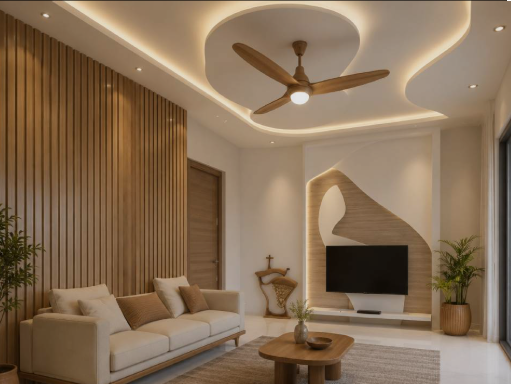
Ceilings can have a major influence on the character and atmosphere of an interior, yet they are often overlooked during room planning. A well-designed ceiling can add visual depth, highlight architectural features, improve lighting, and create a stronger connection between different elements of a room. A decorative ceiling can range from simple layered details to more elaborate patterns, depending on the size and style of the space. Materials, colors, lighting, ceiling height, and furniture placement all contribute to the final appearance. With thoughtful planning, the ceiling can become an attractive part of the room without making the design feel excessive or visually crowded. Understanding Decorative Ceiling Design A decorative ceiling is more than a basic overhead surface. It can include architectural details such as recessed sections, beams, panels, molding, layered surfaces, or integrated lighting. The design should complement the room rather than compete with furniture, flooring, wall finishes, and other features. Simple details can be especially effective in smaller rooms where excessive decoration may make the space feel confined. Choosing a Ceiling Style The appropriate ceiling style depends on the architecture and purpose of the room. Contemporary interiors may benefit from clean geometric forms, while traditional spaces can accommodate molding, panels, or ornamental details. The ceiling should also relate to the home’s overall design language. Using a consistent approach throughout connected spaces can create a more cohesive appearance. Using Tray Ceilings Tray ceilings create a recessed center section surrounded by a raised border. This design can add depth without requiring extremely complicated construction. Lighting can be installed along the edges to emphasize the change in levels. The central section can also use a contrasting paint color or subtle texture to create additional visual interest. Considering Coffered Ceilings Coffered ceilings use recessed panels arranged in a grid or geometric pattern. They can provide a strong architectural presence in dining rooms, studies, living rooms, and larger bedrooms. The size of the individual panels should correspond to the dimensions of the room. Oversized patterns can appear unbalanced in smaller spaces, while very small panels may create unnecessary visual complexity. Adding Ceiling Beams Exposed or decorative beams can introduce warmth and structure to a room. Wood-look beams can suit rustic, farmhouse, transitional, or contemporary interiors depending on their shape and finish. Beams should be positioned carefully so that they do not make the ceiling feel lower than it actually is. Their dimensions should also work with the room’s proportions. Using Ceiling Panels Decorative panels can create texture and rhythm across a ceiling. They can be made from different materials, including wood, gypsum-based products, or other interior finishing materials. Panels can cover an entire ceiling or be limited to a central feature. A restrained pattern can provide visual interest without overwhelming the room. Integrating Lighting Lighting is one of the most important parts of ceiling design. Recessed fixtures, pendant lights, concealed LED strips, chandeliers, and surface-mounted fixtures can all be incorporated into the overall layout. Rather than adding lights after the ceiling design is complete, fixture locations should be planned at the same time. This helps maintain symmetry and prevents awkward placement. Creating Layered Lighting A ceiling can support several lighting levels. General illumination can provide overall brightness, while accent lighting can highlight artwork, architectural details, or specific areas. Indirect lighting around recessed sections can create a softer glow. Combining several sources gives homeowners greater control over the atmosphere of the room. Choosing the Right Ceiling Color White is a common ceiling color because it reflects light and can make a room feel open. However, other shades can create distinctive effects. Soft neutral colors can provide warmth, while darker tones can add drama in rooms with sufficient height and lighting. The selected color should work with the walls, flooring, furniture, and natural light. Considering Ceiling Height Ceiling height strongly influences which decorative features will work well. Taller ceilings can accommodate beams, layered structures, and larger decorative elements. Rooms with lower ceilings generally benefit from simpler designs. Excessively deep recesses or heavy beams can make such spaces feel smaller. Using Molding and Trim Crown molding and other trim details can provide a finished transition between walls and ceilings. Simple profiles can suit modern interiors, while more elaborate molding can complement traditional architecture. The width and profile should correspond to the scale of the room. Very large trim can appear disproportionate in compact spaces. Adding Texture Texture can make a ceiling visually interesting without requiring complex architectural changes. Subtle plaster effects, wood finishes, patterned panels, or textured paint can all create different impressions. The texture should be selected according to the room’s lighting because shadows can make surface irregularities more noticeable. Designing a Living Room Ceiling The living room is often an ideal place for a ceiling feature because it is one of the most frequently used shared spaces. A tray ceiling, central panel, or recessed lighting arrangement can define the seating area. The ceiling design should coordinate with the main furniture arrangement. A central light fixture can be positioned above a coffee table or seating zone to create visual balance. Planning a Bedroom Ceiling Bedrooms usually benefit from softer and less visually demanding ceiling designs. A recessed center with concealed lighting can create a calm atmosphere. Decorative details should not interfere with ceiling fans, pendant lights, air-conditioning equipment, or other necessary fixtures. These elements should be considered during the initial design stage. Designing a Dining Room Ceiling A dining room can accommodate a stronger ceiling feature, particularly above the dining table. A central recessed panel or decorative border can visually define the eating area. A pendant light or chandelier can become the central feature, with the ceiling design supporting rather than competing with it. Considering Kitchen Ceilings Kitchen ceilings need to balance appearance with practical requirements. Lighting, ventilation, exhaust systems, cabinets, and other services may influence the available space. A simple recessed border or carefully positioned lighting can add character without interfering with kitchen functionality. Using Wood Elements Wood can add warmth and natural texture