
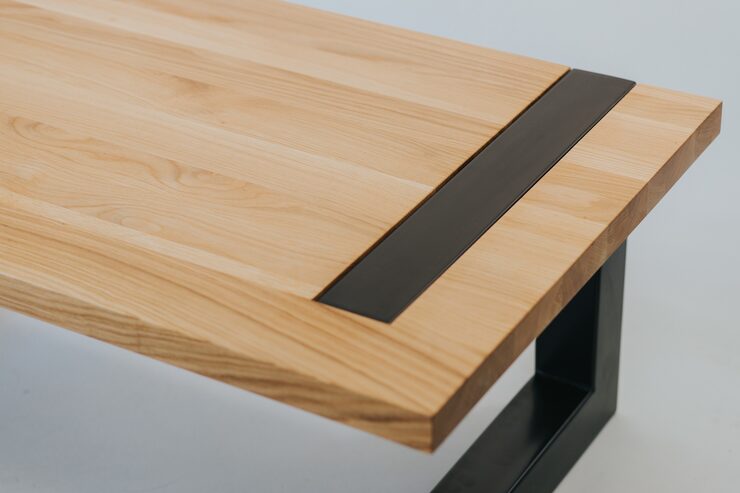
A corner desk solid wood design can be an excellent solution for creating a practical, attractive, and durable workspace without wasting valuable floor area. Whether you are furnishing a home office, study room, bedroom, or creative workspace, a well-designed wooden corner desk can provide generous working space while fitting neatly into an unused corner. Solid timber also brings natural character, strength, and warmth that can make a workspace feel more comfortable and inviting. Why Choose a Solid Wood Corner Desk? A corner workstation is designed to use two adjoining walls efficiently. Instead of placing a standard rectangular desk in the middle of a room, a corner design can create a dedicated work zone while leaving more open floor space. Solid wood adds another important advantage: durability. High-quality timber can withstand everyday use, monitor equipment, books, writing materials, and other office essentials. With appropriate care, a well-made wooden desk can remain functional and attractive for many years. Wood also offers visual versatility. Depending on the species, finish, and design, it can complement rustic, traditional, industrial, Scandinavian, farmhouse, or contemporary interiors. Key Benefits Some of the most important advantages include: The main disadvantage is that solid timber furniture can be heavier and more expensive than particleboard or laminate alternatives. However, the additional durability may make it a worthwhile long-term investment. Choosing the Right Wood Species The type of timber used can influence appearance, durability, weight, price, and maintenance requirements. Different woods have distinctive grain patterns and colors. Oak Oak is one of the most popular choices for furniture because it combines durability with an attractive grain. It works well in traditional and modern interiors and can be finished in many shades. Pine Pine is generally lighter and more affordable than many hardwoods. Its softer surface can develop dents more easily, but its natural appearance works particularly well in casual and farmhouse-style rooms. Walnut Walnut is valued for its rich color and elegant grain. It can create a sophisticated appearance and works especially well in executive-style home offices. Maple Maple tends to have a lighter, cleaner appearance. Its relatively hard surface makes it suitable for furniture that receives frequent use. Wood type Appearance Durability Typical style Oak Pronounced natural grain High Traditional and modern Pine Light and warm Moderate Farmhouse and casual Walnut Dark and refined High Contemporary and executive Maple Light and smooth High Minimalist and modern The best choice depends on your budget, preferred appearance, expected use, and the rest of your room’s furniture. Measuring the Available Space Before buying a corner desk, measure the available area carefully. A desk can look compact in photographs but occupy considerable space once installed. Measure both wall lengths, the distance between the walls, ceiling height if shelving is included, and the available clearance around doors and windows. Also consider the position of electrical outlets. A desk that blocks access to sockets can make computer and lighting setup unnecessarily difficult. Allow Enough Legroom Do not focus only on the desktop dimensions. The space beneath the desk needs to remain comfortable. Check whether drawers, cabinets, support panels, or crossbars interfere with your knees. If you plan to use a rolling office chair, allow sufficient clearance for movement. A corner desk should make the room more functional, not create a cramped workstation. Choosing the Right Desk Shape Corner desks are available in several configurations. L-Shaped Designs An L-shaped workstation provides two connected work surfaces. One side can hold a computer setup while the other is used for paperwork, writing, or creative activities. Compact Corner Designs Smaller desks are useful for bedrooms, apartments, and study areas where space is limited. They can provide enough room for a laptop and essential accessories without overwhelming the room. Large Executive Designs Larger models provide extensive working space and may include storage cabinets, drawers, or shelving. These are suitable for dedicated home offices where the desk serves as the primary workstation. Storage Options to Consider Storage can make a significant difference to how practical the workstation becomes. Drawers are useful for smaller items such as stationery, documents, cables, and accessories. Cabinets provide enclosed storage for larger supplies. Open shelving is convenient when frequently used items need to remain visible and accessible. However, excessive storage can make a corner desk appear bulky. If the room is small, a cleaner design with limited drawers and wall-mounted shelving may create a more open appearance. Built-In vs. Freestanding Storage Built-in storage can provide excellent organization and maximize the available corner, but it may be difficult to relocate. Freestanding desks offer greater flexibility. They can be moved, rearranged, or repurposed if you change your room layout. Think about your long-term needs before selecting a permanent configuration. Desk Height and Ergonomics A beautiful desk will not be comfortable if its dimensions are unsuitable for your body and equipment. The desktop should allow your arms to rest comfortably while typing. Your monitor should also be positioned at an appropriate height to reduce unnecessary neck strain. An adjustable office chair can help compensate for small differences in desk height, but the overall setup should still be comfortable. Computer Setup Considerations If you use multiple monitors, measure their combined width before purchasing the desk. Consider monitor stands, speakers, a laptop dock, and other equipment. Cable management is another important factor. Some desks include cable openings or concealed channels, while simpler designs may require external cable-management accessories. Planning these details before installation can prevent a cluttered workspace. Surface Finish and Maintenance The finish protects the timber and influences its appearance. Common finishes include oil, wax, lacquer, and polyurethane-style protective coatings. Oiled surfaces can emphasize natural grain but may require periodic maintenance. Lacquered or sealed surfaces generally provide stronger protection against everyday spills and marks. Basic Care Tips To keep a wooden workstation looking its best: Wood naturally changes over time. Exposure to sunlight can gradually alter its color, so consistent placement can help maintain a more uniform appearance. Comparing Solid Timber With Other Desk Materials Solid wood is not the only