
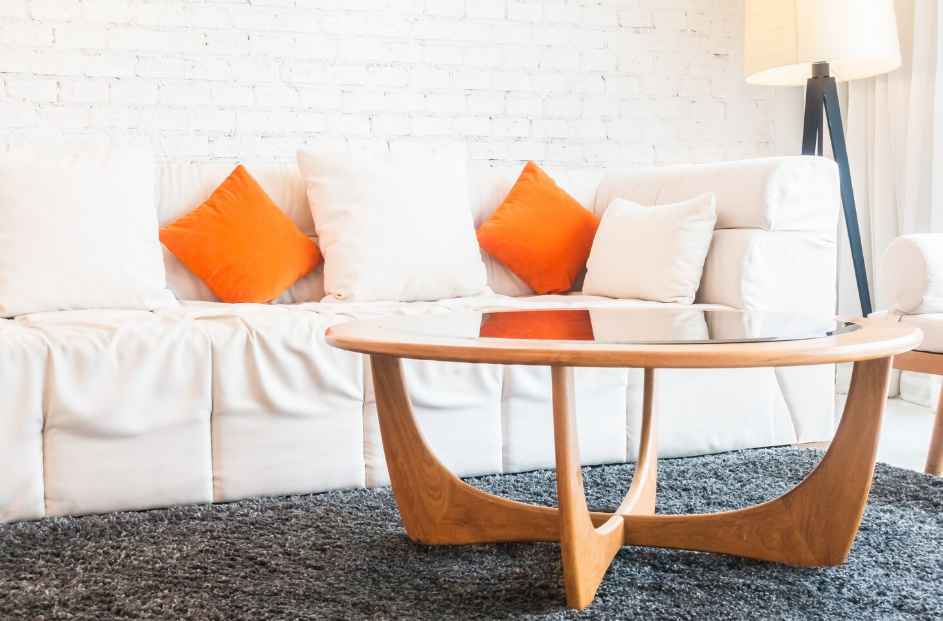
A coffee table with matching end tables can create a coordinated and polished look in a living room while providing useful surfaces for everyday activities. A well-matched table set can bring together a sofa, chairs, lighting, decorative accessories, and other furniture without making the room feel overly designed. Whether the space has a traditional, contemporary, farmhouse, minimalist, or transitional style, choosing complementary tables can improve both appearance and functionality. Coffee tables and end tables serve different purposes, but using pieces with related materials, finishes, shapes, or design details can create visual consistency. The right combination can provide convenient places for drinks, books, lamps, remotes, plants, and decorative objects while helping define the seating arrangement. Understanding size, proportion, material, and placement makes it easier to select a set that suits the room. Why Choose Matching Living Room Tables? Matching furniture creates a sense of continuity. When a coffee table and end tables share similar design characteristics, they can make separate pieces of furniture appear like part of a cohesive collection. This does not necessarily mean that every detail needs to be identical. Tables can coordinate through a common wood tone, metal finish, shape, or decorative element. Slight variations can add interest while maintaining a unified appearance. A coordinated set can also simplify furniture selection because the basic design relationship has already been established. Choosing the Right Coffee Table Size The coffee table should be proportional to the seating area. A table that is too small may look disconnected from the sofa, while an oversized table can make movement around the room difficult. Consider the length of the sofa, the available walking space, and the position of nearby chairs before selecting a table. There should generally be enough space for people to move comfortably between the table and seating. The height is also important. A coffee table that is approximately level with the sofa seat or slightly lower often creates a comfortable visual and functional relationship. Selecting Matching End Tables End tables should complement the coffee table without overwhelming the room. Their size depends on where they will be placed and what they need to hold. An end table beside a sofa can provide space for a table lamp, drink, book, or small decorative item. If the sofa has two ends, matching tables on both sides can create symmetry. In smaller rooms, one end table may be enough. The goal should be to provide useful surfaces without filling every available area with furniture. Matching Does Not Mean Identical A coordinated living room does not always require identical furniture pieces. In fact, using related but slightly different tables can create a more natural and sophisticated appearance. For example, a coffee table may have a rectangular top while the end tables use smaller square tops. The pieces can still coordinate through the same wood finish and metal accents. This approach gives the room consistency while preventing it from looking like a showroom display. Choosing the Right Material Wood is one of the most versatile materials for coffee and end tables. It works well with traditional, rustic, farmhouse, transitional, and contemporary interiors. Glass can create a lighter appearance and can be useful in smaller rooms because its transparent surface does not visually dominate the space. Metal tables can introduce an industrial or modern character. Combining metal frames with wood or glass tops can provide contrast and visual interest. Stone and marble surfaces can add a more luxurious appearance, although they may require additional care. Wood Finishes for a Warm Look Wooden tables can make a living room feel warm and inviting. Oak, walnut, maple, pine, and other finishes can create different visual effects. A dark wood set can provide a sophisticated appearance, while lighter wood can make a room feel more casual and airy. The tables do not necessarily need to match every other wooden element in the room exactly. Coordinating undertones and finishes can often produce a more natural result than attempting to make everything identical. Modern Coffee Table and End Table Sets Modern interiors often benefit from clean lines, simple shapes, and restrained detailing. A rectangular coffee table paired with compact square or round end tables can create an organized appearance. Metal frames, glass tops, smooth wood surfaces, and neutral finishes can work particularly well in contemporary rooms. Avoid selecting too many decorative details when the surrounding furniture already contains strong visual elements. Simple tables can help maintain balance. Traditional and Classic Table Sets Traditional interiors often benefit from richer wood finishes, curved edges, turned legs, decorative details, and classic silhouettes. A rectangular or oval coffee table can be paired with end tables featuring related detailing. Lamps, upholstered seating, curtains, and accessories can then reinforce the traditional style. The important consideration is proportion. Decorative furniture can quickly make a room feel crowded if the pieces are too large for the available space. Farmhouse and Rustic Styles Farmhouse and rustic rooms often work well with natural wood, distressed finishes, simple construction, and practical shapes. A substantial wooden coffee table can be paired with smaller end tables that feature matching or complementary finishes. Woven baskets, neutral textiles, ceramic accessories, and natural greenery can reinforce the relaxed character of the room without competing with the furniture. Small Living Room Considerations Smaller rooms require careful attention to scale. Large matching table sets can reduce walking space and make a compact room feel crowded. A narrow coffee table can provide useful surface space while leaving more room around the seating area. Round tables can also make circulation easier because they eliminate sharp corners. End tables with shelves or drawers can provide additional storage without requiring separate cabinets. Large Living Room Ideas Large living rooms often benefit from furniture that has enough visual weight to fill the space. A larger coffee table can anchor a spacious seating arrangement. Matching end tables can then establish balance on either side of a sofa or sectional. In very large rooms, additional seating zones may require more than one table arrangement. However,