
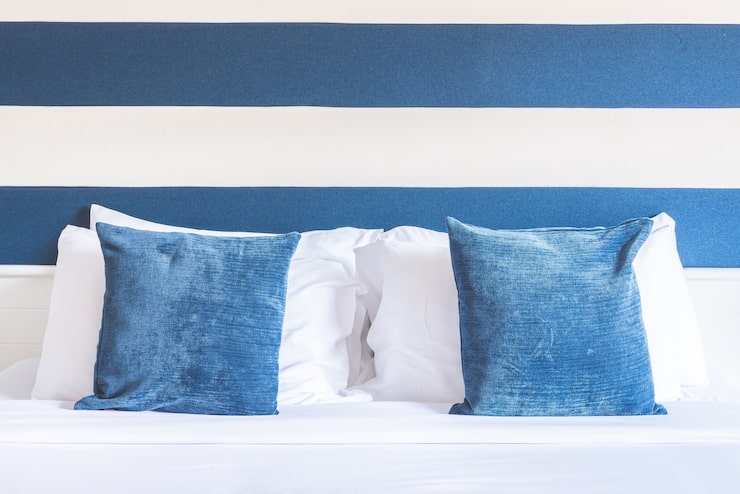
Blue and white throw pillows are a timeless decorating choice that can add freshness, contrast, and character to living rooms, bedrooms, reading spaces, and other areas of the home. The combination of blue and white works across many interior styles because it can be adapted from soft and coastal to traditional, modern, or sophisticated. Decorative pillows are also an easy way to refresh existing furniture without replacing an entire sofa or changing the room’s main color scheme. With the right patterns, fabrics, sizes, and shades, blue and white pillows can create a comfortable and coordinated appearance. Why Blue and White Work So Well Together Blue and white create a balanced combination because white provides brightness while blue introduces depth and color. The contrast can be subtle when pale blue is used, or more dramatic when navy or cobalt is selected. This color pairing is also highly versatile. It can create a relaxed coastal feeling, a classic traditional appearance, or a crisp contemporary atmosphere depending on the design. Because both colors can be found in countless shades and patterns, homeowners can easily adapt them to existing furniture and decorative accessories. Choosing the Right Blue Shade The shade of blue has a major effect on the overall mood of the room. Light blue can create an airy and peaceful appearance, while navy provides a deeper and more sophisticated effect. Teal and turquoise can introduce a brighter coastal feeling, whereas dusty blue and muted blue can produce a softer, more understated look. Cobalt and royal blue can create stronger visual contrast and work well when the room needs a noticeable accent. Before choosing pillows, consider the colors already present in the room so the blue feels intentional rather than disconnected. Popular Blue and White Patterns Patterns allow blue and white pillows to complement many different decorating styles. Stripes are among the most versatile options and can create a classic or coastal appearance. Geometric patterns can give the room a contemporary feel, while floral designs can create a softer and more traditional look. Checks, trellis patterns, medallions, abstract prints, and botanical motifs are also popular choices. When combining several patterned pillows, use different pattern scales. A large print can be balanced with smaller geometric or striped designs. Choosing the Right Fabric The fabric affects both the visual appearance and comfort of a decorative pillow. Cotton and linen are popular choices for relaxed and casual interiors. Velvet can give navy or deep blue pillows a richer and more luxurious appearance. Chenille provides softness and works well in comfortable family rooms. Woven and embroidered fabrics can introduce texture without requiring bold colors. For frequently used furniture, select fabrics that are durable and easy to maintain. Decorative pillows used mainly for appearance can accommodate more delicate materials. Blue and White Pillows for the Living Room A neutral sofa can provide an excellent background for blue and white pillows. White, cream, beige, gray, and light brown upholstery can all work well with this combination. On a white sofa, deeper blue pillows can create definition. On a navy or dark blue sofa, predominantly white pillows can introduce brightness. A balanced arrangement can include a mixture of solid colors, stripes, and patterned cushions. Adding a coordinating throw blanket or rug can help connect the colors throughout the room. Decorating a Bedroom Blue and white are particularly suitable for bedrooms because they can create a clean and peaceful appearance. White bedding paired with pale blue pillows can produce a soft and airy atmosphere. Navy pillows can provide stronger contrast against white sheets or a light headboard. Layering pillows in different sizes can add depth to the bed. Larger pillows can provide the foundation, while smaller decorative cushions can be placed toward the front. For a more relaxed appearance, incorporate linen, cotton, or other natural-looking materials. Creating a Coastal-Inspired Look Blue and white are strongly associated with coastal interiors because they resemble elements such as water, clouds, and bright seaside environments. Light blue, aqua, navy, and white can be combined with natural wood, rattan, linen, and woven accessories. A coastal room does not need to rely heavily on nautical decorations. The color combination and natural textures can create the desired atmosphere without anchors, shells, or other themed accessories. This creates a more subtle and contemporary interpretation of coastal decorating. Creating a Traditional Interior Blue and white have long been used in classic interior design. Traditional spaces can benefit from floral, damask, medallion, or intricate geometric patterns. Navy and cream can create a particularly sophisticated combination when used with traditional furniture and natural wood finishes. Decorative piping, embroidery, and textured fabrics can further enhance the classic appearance. The key is to coordinate the patterns rather than using too many competing designs. Creating a Modern Look Modern interiors often benefit from simple blue and white pillows with clean geometric patterns or solid blocks of color. A crisp white sofa can be paired with navy cushions for a strong but controlled contrast. Abstract patterns can also work well in contemporary rooms, particularly when the rest of the furniture has simple lines. Keep the overall number of patterns limited to preserve the clean appearance associated with modern interiors. Combining Blue and White With Other Colors Blue and white can easily be combined with additional colors. Beige and tan introduce warmth, while gray creates a more understated contemporary palette. Natural wood tones work particularly well because they soften the contrast between the two colors. Green can create a fresh botanical atmosphere, while muted yellow can add warmth and energy. Metallic accents such as brass or silver can also complement blue and white, particularly in more formal interiors. Use additional colors selectively so that the primary palette remains clear. Mixing Pillow Sizes and Shapes Different pillow sizes can make a sofa or bed look more layered and inviting. Large square pillows can provide a foundation, while smaller cushions can add pattern and color toward the front. Lumbar pillows can introduce a different shape and provide practical support.