
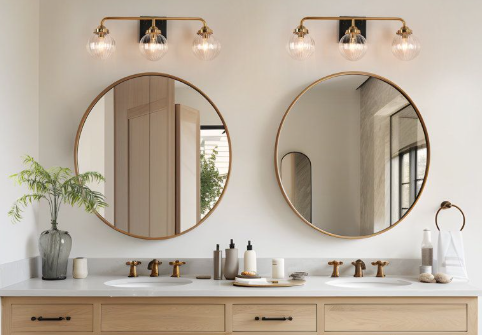
A well-designed bathroom needs lighting that combines functionality with visual appeal. The right fixture can brighten the vanity area, improve visibility around the mirror, and complement the room’s overall decor. A 3 bulb vanity light can provide balanced illumination across the mirror while adding a decorative element to the bathroom wall. It can work with different interior styles, from simple contemporary spaces to more traditional designs. When selecting a fixture, consider the mirror size, vanity width, bulb brightness, color temperature, finish, and mounting position. These details can help create comfortable lighting that supports everyday grooming while enhancing the appearance of the bathroom. Understanding Vanity Lighting Vanity lighting is primarily designed to illuminate the area around a bathroom mirror. It needs to provide useful light without producing excessive glare or uncomfortable shadows. Unlike general ceiling lighting, vanity fixtures focus illumination around the face and mirror. This makes them particularly important for activities such as shaving, applying makeup, styling hair, and other personal grooming tasks. Choosing the Right Fixture Size The size of the lighting fixture should relate to the width of the vanity and mirror. A fixture that is too small may leave portions of the mirror poorly illuminated, while an oversized fixture can dominate a compact bathroom. Before purchasing a fixture, measure the available wall space and compare it with the mirror dimensions. The proportions should look balanced from both close and distant viewpoints. Positioning the Light Above the Mirror Mounting a vanity fixture above the mirror is a common arrangement. It can provide broad illumination across the mirror area when positioned at an appropriate height. The fixture should be centered with the mirror rather than simply centered on the wall. This creates a more balanced appearance and helps direct the light where it is needed. Considering Side Lighting Side-mounted fixtures can complement or replace an overhead vanity light. Lights positioned on both sides of the mirror can reduce shadows across the face by illuminating it from multiple directions. For larger mirrors, side lighting may be especially useful because it can provide more even illumination across the full width. Wall space and electrical placement should be considered before installation. Selecting the Right Bulbs Bulb selection influences both brightness and color appearance. LED bulbs are commonly used because they provide efficient illumination and are available in different color temperatures. A neutral or moderately warm white can create a comfortable bathroom atmosphere while still providing useful visibility. The best choice depends on the room’s finishes and how the lighting will be used. Understanding Color Temperature Color temperature affects how the bathroom looks under artificial light. Warmer light can create a softer atmosphere, while cooler light can provide a brighter and more contemporary appearance. For grooming areas, a balanced color temperature can make skin tones and surrounding finishes appear more natural. Homeowners should consider how the lighting will interact with daylight entering through windows. Managing Shadows Around the Face Uneven lighting can create shadows beneath the eyes, chin, or nose. This can make grooming more difficult and can also change how colors appear in the mirror. Using multiple light sources can help distribute illumination more evenly. The placement and direction of the bulbs are just as important as the number of bulbs. Matching the Bathroom Style Vanity lighting should work with the overall design of the bathroom. Modern spaces may suit simple metal fixtures and clean lines, while traditional rooms can accommodate more decorative designs. The finish of the fixture can also coordinate with faucets, cabinet hardware, towel bars, and other details. Matching every element exactly is not necessary, but a consistent visual relationship can create a more organized appearance. Considering Mirror Size The mirror and light fixture should be considered together. A narrow mirror may need a compact fixture, while a wide mirror can benefit from a longer lighting arrangement. For double-sink vanities, the lighting strategy may need to cover both grooming positions. Multiple fixtures can sometimes provide better distribution than one small central light. Planning for Double Vanities Double vanities require careful attention to spacing and illumination. Each sink area should receive sufficient light without creating an overly bright central point. A longer fixture can illuminate both positions, while separate fixtures can provide more targeted lighting. The final choice depends on wall width, mirror arrangement, and the desired visual style. Using Dimmers A dimmer can make bathroom lighting more flexible. Bright illumination can be useful during grooming, while lower light levels may create a calmer atmosphere during evening routines. Not every fixture or bulb is compatible with every dimming system, so compatibility should be confirmed before installation. Combining Different Light Sources A vanity fixture does not necessarily need to provide all of the bathroom’s illumination. Ceiling lights, recessed fixtures, shower lighting, accent lighting, and natural daylight can work together. Layered lighting allows different areas of the bathroom to be illuminated according to their purpose. This can also prevent the vanity fixture from needing to be excessively bright. Considering Bathroom Safety Bathroom lighting needs to account for moisture and electrical safety. Fixtures should be suitable for their intended location and installed according to applicable electrical requirements. Areas close to showers, bathtubs, and other water sources may have specific requirements. Electrical work should follow local regulations and, where necessary, be completed by a qualified electrician. Choosing Energy Efficient Lighting LED technology can provide strong illumination while using relatively little energy. LEDs are also available in many shapes, sizes, and color temperatures, making them suitable for different vanity designs. Long-lasting bulbs can reduce the frequency of replacements, particularly when the fixture is installed in a difficult-to-reach location. Thinking About Maintenance Bathroom environments can expose fixtures to humidity, dust, and cosmetic residue. A simple design with accessible bulbs and surfaces can make cleaning easier. Smooth finishes generally require less effort to wipe down than highly detailed designs with many small decorative areas. The fixture should also allow bulbs to be replaced without unnecessary difficulty. Coordinating With Wall Finishes Wall color, tile, stone, and backsplash