
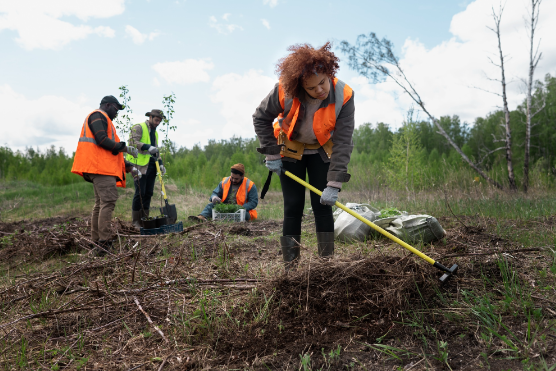
Keeping up with your land is really important if you want to protect its appearance, performance, and long-term value. Whether you’re working on a farm, managing a big home yard, or handling commercial property, regular care matters because it prevents annoying issues like soil erosion, lumpy ground, thick overgrowth, and drainage trouble that just won’t quit.
When a place is properly maintained, it usually looks better; it’s also safer and easier to deal with day-to-day. If you stick to a steady routine and use the right gear, you can keep your land in solid shape all through the year.
1. Routine Checkups on your Property
Regular inspections help you spot small problems before they turn into expensive repairs. Just walk around and watch for uneven ground, signs of water runoff, any broken sections in fencing, erosion spots, or places where plants decide to take over. Catching problems early makes the maintenance process less of a headache and keeps your land safe, usable, and pleasant.
2. Use of a Box Scraper
A box scraper is one of those tools that actually earns its place when you manage wide outdoor areas. It’s built to smooth out rough spots, distribute gravel, shift soil, and level out low sections with pretty direct results. If you’re caring for a gravel driveway, getting land ready for landscaping, or upgrading farm roads, a box scraper makes it easier to build a flatter, more even surface.
And using it regularly can improve drainage, too, since it helps remove dips where water tends to sit. Since it handles multiple tasks with a single attachment, it’s a practical purchase if you want to maintain your land efficiently without running a whole lineup of separate equipment.
3. Control Weeds and Overgrown Vegetation
Uncontrolled weeds and overgrown grass can quickly mess up the look and usability of your property. Regular mowing, trimming, and weed removal keep everything pretty tidy and help prevent invasive plants from spreading too quickly. When you keep the vegetation in better shape, it also makes access to different areas easier and reduces the usual hiding spots for pests that like unkempt corners.
4. Improve Drainage
Bad drainage can mess up landscaping, weaken the soil, and turn parts of your yard into muddy, hard-to-use areas. Look for places where water tends to stay after a rain, then take steps to improve the flow. Proper grading, cleaning out drainage channels, and removing blockages can guide the water away from buildings, roads, and walkways. When drainage is working well, it protects both the land and the structures sitting on it.
5. Follow a Seasonal Maintenance Schedule
Different seasons call for different types of yard care, and it’s the whole point. Spring is usually good for repairing winter damage, while summer tends to be more about mowing and weed control. In autumn, you’ll want to remove fallen leaves and ready the property for colder weather.
Winter maintenance might include checking drainage systems and protecting equipment from harsh conditions. If you stick to a seasonal plan, you ensure key tasks get done when they should, which can also lower long-term maintenance costs.