
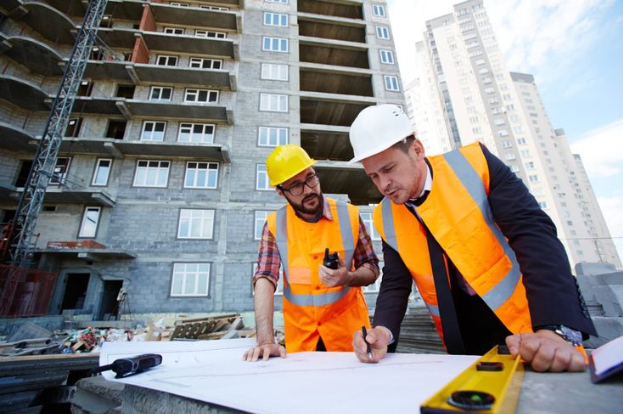
Sustainable construction is no longer a niche trend—it’s the future. Homeowners want efficiency, durability, and eco-friendly designs. For home builders, this means rethinking traditional methods. Efficiency isn’t just about speed; it’s about minimizing waste, conserving energy, and creating spaces that last. By blending creativity with practical techniques, builders can deliver homes that are both modern and responsible.
Innovative Material Choices for Modern Homes
Selecting the right materials is the cornerstone of sustainable building. Recycled steel, bamboo, and low-VOC paints reduce environmental impact. Insulated concrete forms and engineered wood provide energy efficiency without sacrificing strength. Using local materials also cuts down on transportation emissions. When home builders prioritize smart material choices, they create structures that are both sustainable and visually appealing, reflecting a careful balance of innovation and responsibility.
Energy-Efficient Design Principles for Home Builders
A home’s design can drastically affect its energy consumption. Orienting windows to maximize natural light and heat reduces reliance on artificial lighting and heating. Proper insulation, passive solar techniques, and reflective roofing can significantly lower energy bills. Home builders who integrate these strategies early in the planning stage ensure that the finished home operates efficiently, making energy-conscious living easier for homeowners.
Water Conservation Techniques in Residential Construction
Water is one of the most critical resources in sustainable building. Low-flow fixtures, rainwater harvesting systems, and greywater recycling help conserve water without compromising comfort. Landscaping with native plants reduces irrigation needs. Home builders focusing on water efficiency can create homes that are environmentally responsible and cost-effective in the long run. A sustainable approach to water management also reinforces the builder’s commitment to thoughtful construction practices.
Smart Technology Integration by Home Builders
Smart home technology is more than a convenience—it’s a sustainability tool. Programmable thermostats, energy-monitoring systems, and automated lighting reduce unnecessary energy use. These technologies allow homeowners to track consumption and adjust habits in real-time. By integrating smart solutions, a home builder not only enhances comfort but also promotes an eco-friendly lifestyle. Homes become smarter, greener, and more efficient, proving that technology and sustainability can coexist.
Waste Reduction Strategies During Construction
Construction waste can be a significant environmental burden if not managed properly. Efficient site planning, recycling leftover materials, and careful measurement minimize waste. Prefabricated components also reduce onsite excess. Home builders adopting waste-conscious methods not only save costs but also demonstrate a strong commitment to environmental responsibility. Every piece of scrap diverted from landfills reinforces a builder’s sustainable approach.
Long-Term Durability and Maintenance Planning
A truly sustainable home is built to last. Selecting durable materials, designing for easy maintenance, and planning for future upgrades extend a home’s lifecycle. Energy-efficient appliances and modular systems reduce the need for frequent replacements. Home builders who incorporate longevity into their planning ensure that sustainability isn’t just a feature but a core principle of the construction.
Conclusion
Sustainable and efficient construction requires a thoughtful combination of materials, design, technology, and planning. Home builders play a pivotal role in shaping spaces that conserve energy, reduce waste, and promote long-term durability. By embracing these strategies, they create homes that are not only modern and functional but also environmentally responsible.