
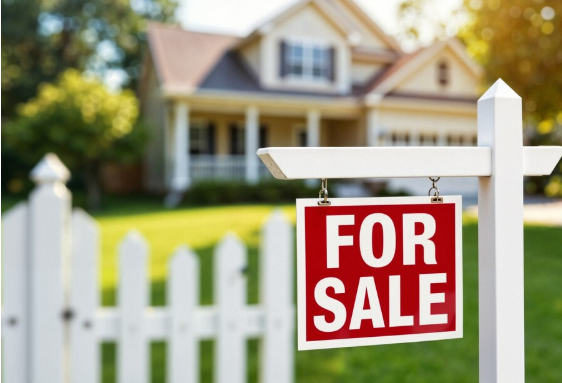
Buying a house is one of the biggest financial decisions that you’ll ever make. With so many options available, finding the right house can feel overwhelming.
Whether you’re a first-time buyer or a seasoned investor, knowing what to look for and what to avoid can make all the difference.
Here’s your ultimate guide on tackling the housing market and securing the best deal possible.
Define Your Budget and Get Pre-Approved
Before rushing to check property listings, take some time to figure out how much you can afford.
Mortgage pre-approval not only sets a realistic budget but also makes you a more attractive buyer to sellers.
When you’re determining your budget, don’t forget to consider:
- Down payment, which can be as high as 20% of the home price.
- Closing costs like loan fees.
- Property taxes and homeowner’s insurance.
- Maintenance and unexpected expenses.
Pick the Right Location
You can change a home’s layout and decor, but you can’t change its location.
So, when you’re viewing residential properties for sale, look into:
- Commute Time – Is it close to work, schools, or amenities?
- Neighborhood Safety – Check crime rates and local community forums.
- Future Value – Is the area growing or declining in property value?
- Nearby Facilities – Are there grocery stores, parks, and hospitals nearby?
If possible, visit the neighborhood at different times of the day to get a feel for the environment.
Work with a Real Estate Agent
A good real estate agent does more than just show you homes.
They can:
- Find hidden gems that aren’t listed publicly.
- Negotiate pricing and contract terms on your behalf.
- Give insights into the local market.
- Help you avoid common mistakes.
An experienced agent saves you a lot of time and stress.
Inspect the Property Thoroughly
Never judge a house by its online photos.
A property might look flawless in pictures but have hidden issues that are only uncovered when you visit in person.
When you’re viewing houses, pay close attention to:
- Structural Integrity – Are there any cracks, water damage, or signs of other issues?
- Roof and Plumbing – A new roof can be expensive, so check its condition.
- Electrical Systems – Old wiring and poor maintenance can be safety hazards.
- Neighborhood Noise – Are you okay with traffic sounds or loud neighbors?
Always get a professional home inspection before finalizing any purchase.
Know When to Walk Away
It’s easy to get emotionally attached to a home, but if a deal doesn’t feel right, trust your instincts.
Red flags include:
- Seller rushing you to close the deal too quickly.
- Missing property documents.
- A home that’s been on the market for too long without a price drop.
If the cons outweigh the pros, keep looking. The right home for you is out there.
The Closing Process
Once you’ve found the perfect home, it’s time to make an offer. Research recent sales in the area so you don’t overpay.
After the offer is accepted, there’s still work to be done like:
- Finalizing your mortgage.
- Doing a last-minute walk-through to make sure nothing has changed.
- Reviewing all legal documents before signing.
Once everything is in place, congratulations – you’re officially a homeowner!