
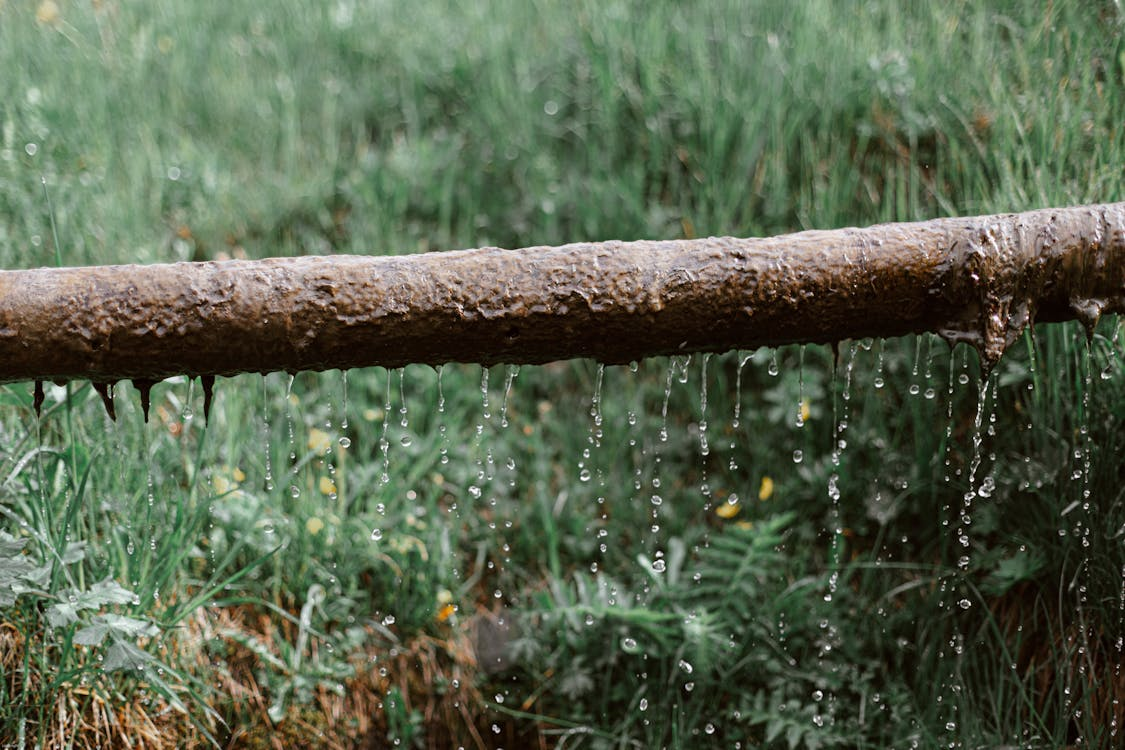
Maintaining a home’s plumbing system is crucial for ensuring comfort and functionality. This encompasses various aspects, from routine maintenance to more significant repairs like sewer line replacements. Understanding these elements can help homeowners manage their water systems more effectively and prevent costly damages.
The Importance of Regular Home Plumbing Maintenance
Routine Checks and Maintenance
Regular home plumbing maintenance is essential to keep your home’s water system running smoothly. This includes checking for leaks, inspecting pipes, and ensuring that fixtures are in good working condition. Small issues like dripping faucets or slow drains can escalate into major problems if not addressed promptly.
Benefits of Professional Plumbing Services
While some homeowners may be comfortable handling minor plumbing tasks, it’s often best to hire a professional for more complex issues. Professional plumbers have the expertise and tools to diagnose and fix problems efficiently, preventing potential damage to your home. They can also provide valuable advice on maintaining your plumbing system and suggest improvements that can enhance its performance.
Understanding Sewer Line Replacement
Signs Your Sewer Line Needs Replacement
Sewer lines are an integral part of a home’s plumbing system, responsible for transporting wastewater away from the house. Over time, these lines can become damaged due to various factors such as tree root intrusion, corrosion, or shifting soil. Common signs that a sewer line may need replacement include frequent clogs, foul odors, slow drains, and patches of lush grass in your yard, indicating a possible leak.
The Replacement Process
Sewer line replacement is a significant undertaking that typically requires professional intervention. The process generally involves the following steps:
- Inspection and Diagnosis: A thorough inspection using cameras can help pinpoint the exact location and cause of the problem.
- Planning and Permits: Before the actual replacement, plans need to be drawn up, and necessary permits obtained.
- Excavation and Replacement: The old sewer line is excavated and replaced with a new one. Modern techniques such as trenchless sewer replacement can minimize disruption to your property.
- Testing and Cleanup: After installation, the new line is tested to ensure it’s functioning correctly, and the site is cleaned up.
Integrating Home Plumbing Maintenance with Sewer Line Care
Preventive Measures
Integrating regular home plumbing maintenance with sewer line care can significantly extend the lifespan of your plumbing system. Preventive measures include avoiding flushing inappropriate items down the toilet, using drain screens to catch debris, and scheduling regular professional inspections. These practices can help detect potential issues early, reducing the risk of severe damage and the need for extensive repairs.
When to Call a Professional
Knowing when to call a professional can save you time and money. If you notice persistent issues such as recurring clogs, water stains on walls or ceilings, or unusual noises coming from your plumbing system, it’s time to seek expert help. Addressing problems promptly can prevent minor issues from turning into major, costly repairs.
Conclusion
Efficient and reliable home plumbing is essential for maintaining a comfortable living environment. By staying proactive with regular maintenance and being aware of the signs that indicate the need for sewer line replacement, homeowners can avoid many common plumbing problems. Partnering with professional plumbers ensures that any issues are addressed promptly and effectively, keeping your home’s water systems in optimal condition. Through diligent care and timely interventions, you can ensure the longevity and functionality of your home’s plumbing infrastructure.