
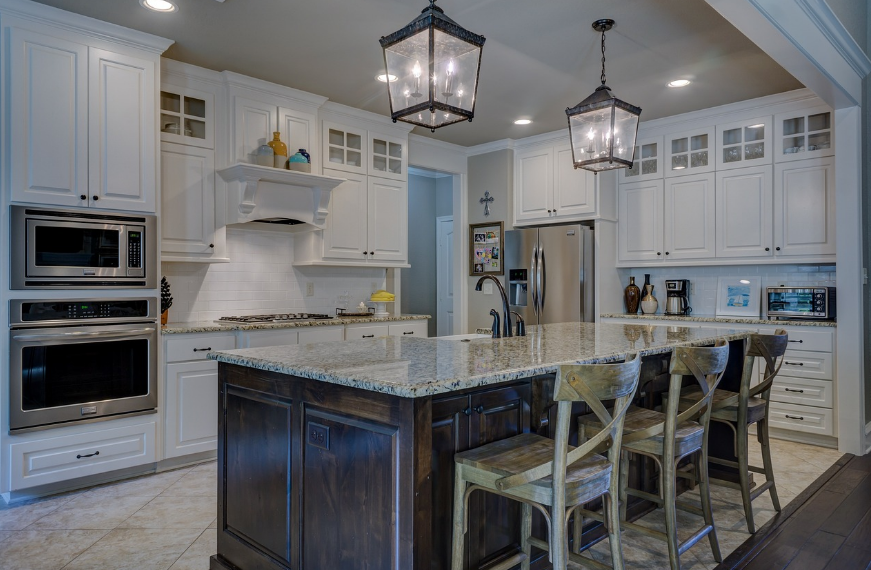
Improving indoor air quality is essential for maintaining a healthy and comfortable living environment. Proper ventilation and filtration play key roles in removing pollutants, allergens, and contaminants from the air, reducing respiratory issues and enhancing overall well-being. In this guide, we’ll explore strategies for enhancing your home’s air quality through effective filters and ventilation systems, along with tips for maintaining clean and fresh indoor air.
Subtitles:
- Understanding Indoor Air Quality
- Effective Filters and Ventilation Solutions
Understanding Indoor Air Quality
1. Common Indoor Air Pollutants
Indoor air pollutants can come from various sources such as combustion appliances, tobacco smoke, household cleaning products, building materials, and outdoor pollutants that infiltrate indoor spaces. Common pollutants include:
- Particulate Matter: Dust, pollen, pet dander, and airborne particles.
- Volatile Organic Compounds (VOCs): Chemicals from paints, adhesives, cleaning agents, and furnishings.
- Carbon Monoxide (CO): Produced by combustion appliances like gas stoves, furnaces, and fireplaces.
- Radon: A radioactive gas that can seep into homes from the ground.
- Mold and Mildew: Thrive in damp or humid environments, contributing to respiratory issues.
2. Impact on Health
Poor indoor air quality can lead to a range of health issues, including respiratory problems, allergies, asthma exacerbations, headaches, fatigue, and long-term health risks. Children, elderly individuals, and individuals with pre-existing health conditions are particularly susceptible to the effects of indoor air pollution.
Effective Filters and Ventilation Solutions
1. Air Filtration Systems
Invest in high-quality air filtration systems to remove airborne particles and contaminants from indoor air. Different types of air filters offer varying levels of filtration efficiency and target specific pollutants.
Tips:
- HEPA Filters: High-Efficiency Particulate Air (HEPA) filters capture 99.97% of particles as small as 0.3 microns, including allergens, dust, pollen, and pet dander. Use HEPA filters in HVAC systems and air purifiers for optimal filtration.
- Activated Carbon Filters: Activated carbon filters adsorb VOCs, odors, and chemicals from the air, improving indoor air quality and reducing odors. Combine activated carbon filters with HEPA filtration for comprehensive air purification.
- UV-C Air Purifiers: Ultraviolet-C (UV-C) air purifiers use UV light to neutralize germs, bacteria, and viruses in the air, enhancing air quality and reducing the spread of airborne pathogens.
2. HVAC System Maintenance
Regular maintenance of heating, ventilation, and air conditioning (HVAC) systems is crucial for optimal air quality and efficiency. Schedule professional HVAC inspections, cleanings, and filter replacements to ensure proper airflow and filtration.
Tips:
- Filter Replacement: Replace HVAC filters according to manufacturer recommendations or every 3-6 months, depending on usage and filter type. Use high-efficiency filters with a Minimum Efficiency Reporting Value (MERV) rating of 11 or higher for improved filtration.
- Duct Cleaning: Periodically clean air ducts and vents to remove dust, debris, and contaminants that can accumulate over time. Professional duct cleaning improves airflow and reduces indoor air pollutants.
- Ventilation Checks: Ensure adequate ventilation in kitchens, bathrooms, and laundry areas to reduce moisture buildup and prevent mold growth. Use exhaust fans or open windows when cooking, showering, or using appliances.
3. Natural Ventilation Strategies
Promote natural ventilation to enhance indoor air circulation and reduce indoor pollutant levels. Open windows and doors strategically, use window fans, and create cross-ventilation to exchange indoor air with fresh outdoor air.
Tips:
- Cross-Ventilation: Position windows and doors opposite each other to create a natural airflow path through the home. Use window fans or box fans to facilitate air exchange.
- Time Windows: Open windows during cooler times of the day or when outdoor air quality is favorable, such as early morning or late evening. Close windows during peak traffic or pollution hours.
- Air Quality Monitoring: Use indoor air quality monitors to track pollutant levels and adjust ventilation strategies accordingly. Monitor humidity levels to prevent moisture-related issues.
4. Indoor Plants and Air Purifying Solutions
Incorporate indoor plants known for their air-purifying properties to naturally filter indoor air and improve overall air quality. Certain plants, such as peace lilies, spider plants, snake plants, and pothos, can help remove pollutants and enhance indoor environments.
Tips:
- Plant Selection: Choose air-purifying plants that thrive in indoor environments and require minimal maintenance. Place plants strategically throughout the home, especially in areas with limited ventilation or higher pollutant levels.
- Air Purifiers with Plants: Use air purifiers equipped with HEPA filters and activated carbon technology alongside indoor plants for dual air purification benefits. The combination of filtration and plant-based air purification enhances indoor air quality.
By understanding indoor air quality factors, investing in effective air filtration systems, maintaining HVAC systems, promoting natural ventilation, and incorporating air-purifying solutions, homeowners can significantly enhance their home’s air quality. Regular monitoring, maintenance, and adjustments based on air quality assessments contribute to a healthier and more comfortable indoor environment for occupants. Consult with HVAC professionals, air quality experts, and environmental specialists for personalized recommendations and solutions tailored to your home’s specific needs and air quality goals.