
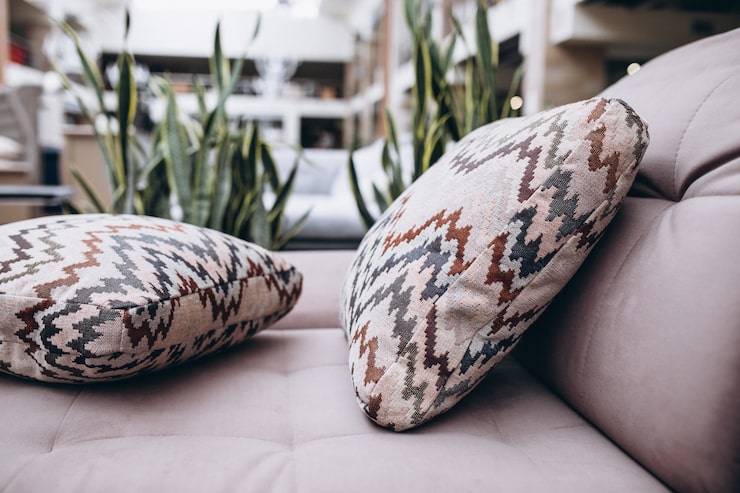
Small decorative details can make a noticeable difference in the appearance and comfort of a room. Neutral throw pillows are especially versatile because they can complement many interior styles without overwhelming the existing décor. Shades such as cream, beige, ivory, taupe, gray, and soft brown can create a calm and balanced atmosphere while adding softness to sofas, beds, chairs, and benches. Whether your home follows a modern, minimalist, farmhouse, Scandinavian, traditional, or contemporary design, neutral pillows can be mixed with different textures and shapes to create a coordinated appearance. Their versatility also makes them useful when refreshing a room without replacing larger furniture pieces.
What Are Neutral Throw Pillows?
Neutral throw pillows are decorative cushions designed in subtle colors that generally work well with a wide range of interior palettes. Common neutral shades include white, cream, beige, tan, taupe, gray, and brown.
These pillows may be plain or feature subtle patterns, textures, embroidery, stripes, checks, or geometric designs. Because their colors are understated, they can be layered with other decorative pieces without making the room feel visually crowded.
Neutral pillows are not limited to one particular decorating style. Their simplicity allows them to work as supporting elements in both traditional and contemporary interiors.
Why Choose Neutral Pillows?
One of the main advantages of neutral pillows is versatility. They can be moved from one room to another and combined with changing décor throughout the year.
A neutral pillow can also help balance stronger colors in a room. If a sofa, rug, artwork, or curtains already contain bold shades, softer cushions can provide visual breathing room.
Another benefit is their timeless appearance. Neutral colors are less dependent on seasonal trends, which means they can remain useful even when other decorative elements change.
Choosing the Right Neutral Colors
Not every neutral shade creates the same atmosphere. Warm neutrals such as cream, beige, camel, and soft brown can make a room feel inviting and cozy.
Cooler neutrals such as gray, stone, and soft white can create a cleaner and more contemporary appearance.
When choosing pillows, consider the existing colors in the room. Warm neutral cushions generally work well with wood tones and warm lighting, while cooler neutrals can complement metal finishes and modern color palettes.
Using several shades from the same neutral family can also create depth without introducing strong contrasts.
Mixing Different Textures
Texture is particularly important when decorating with neutral colors. Without variation, several beige or cream pillows may look flat.
Combining materials such as linen, cotton, velvet, boucle, wool, knitted fabric, and woven textiles can create visual interest.
For example, a smooth cotton pillow can be paired with a textured woven cushion and a soft knitted design. The colors remain coordinated while the different surfaces make the arrangement more dynamic.
Texture can also influence the atmosphere of a room. Chunky knits and boucle tend to create a cozy appearance, while linen and smooth cotton can feel lighter and more relaxed.
Neutral Pillows for the Living Room
The living room is one of the most common places to use decorative pillows. A neutral sofa can be styled with several shades of cream, beige, taupe, or gray.
Instead of using identical pillows, consider combining different sizes, shapes, and textures. Larger square cushions can form the base, while smaller rectangular or lumbar pillows can be placed toward the front.
If the sofa is already colorful, neutral pillows can help create balance. If the sofa is neutral, subtle patterns or contrasting textures can prevent the arrangement from appearing too plain.
Neutral Pillows for the Bedroom
Throw pillows can also add softness and visual interest to a bed. Layering pillows in different sizes can create a comfortable and finished appearance.
A simple bedroom can use cream, ivory, beige, and soft gray pillows for a calm atmosphere. Adding textured fabrics can provide depth without introducing bold colors.
Consider coordinating the pillows with the bedding, curtains, rug, or upholstered furniture. The goal does not necessarily need to be an exact color match. Slight variations can create a more natural and layered appearance.
Neutral Pillows in Modern Interiors
Modern interiors often benefit from simple shapes, restrained colors, and clean lines. Neutral cushions fit naturally into this aesthetic.
Choose pillows in shades such as ivory, stone, light gray, taupe, or beige. Minimal patterns and subtle textures can add interest without disrupting the clean appearance.
Geometric shapes, simple stripes, and understated woven patterns can also work well in modern spaces.
Avoid using too many decorative elements at once. A carefully selected group of cushions can make a greater impact than a crowded arrangement.
Neutral Pillows for Farmhouse and Rustic Décor
Neutral cushions are also well suited to farmhouse and rustic interiors. Cream, oatmeal, beige, tan, and warm gray can complement natural wood, woven baskets, linen curtains, and other rustic materials.
Textured fabrics can enhance the relaxed character of these spaces. Plaid, ticking stripes, subtle checks, and simple woven patterns can introduce visual interest while maintaining a neutral palette.
Pairing cushions with natural materials can create a comfortable and welcoming atmosphere.
How to Arrange Throw Pillows
Pillow arrangement depends on the size and shape of the furniture. On a sofa, larger pillows can be placed toward the back with smaller cushions layered in front.
For a more symmetrical appearance, use similar arrangements on both sides. For a relaxed look, vary the shapes and textures while maintaining a consistent color palette.
On a bed, larger pillows can sit behind standard sleeping pillows, followed by decorative squares or lumbar cushions.
Avoid filling every available space. Leaving some room can make the arrangement appear more intentional and comfortable.
Seasonal Decorating With Neutral Pillows
Neutral cushions can be used throughout the year because they are easy to adapt to seasonal décor.
In spring and summer, lightweight linen and cotton textures can create a fresh appearance. During autumn and winter, heavier knits, boucle, velvet, and woven fabrics can add warmth.
Seasonal accents can also be introduced without replacing the entire pillow collection. A few pillows in muted seasonal colors can be combined with the existing neutral pieces.
This makes neutral cushions a practical foundation for changing home décor.
Caring for Throw Pillows
Proper care can help decorative pillows maintain their appearance. Always check the manufacturer’s care instructions before washing or cleaning a pillow cover.
Removable covers are particularly convenient because they can often be cleaned separately from the cushion insert.
Regularly fluffing pillows can help maintain their shape. Keeping them away from excessive moisture and direct sunlight can also help preserve certain fabrics and colors.
For delicate materials, professional cleaning may be more appropriate than machine washing.
Tips for Choosing Neutral Throw Pillows
Start by considering the existing colors and textures in the room. Choose neutral shades that complement rather than compete with the furniture and other decorative elements.
Mix textures to create depth. A combination of smooth, woven, knitted, and plush materials can make a neutral arrangement more interesting.
Vary pillow sizes and shapes while keeping the overall color palette coordinated. This creates a layered appearance without making the arrangement feel chaotic.
Consider functionality as well as appearance. Pillows should be comfortable enough for the furniture where they will be used.
Key Points to Remember
Neutral decorative pillows are versatile accessories that can work across many interior styles. Cream, beige, ivory, taupe, gray, and brown provide a flexible foundation for decorating.
Texture, size, and shape are important when working with subtle colors. Mixing different fabrics can prevent a neutral arrangement from looking flat.
These pillows can be used in living rooms, bedrooms, reading areas, entryways, and other spaces. They can also be adapted throughout the year by changing fabrics and adding small seasonal accents.
Final Thoughts
Using neutral throw pillows is a simple way to add comfort, texture, and visual balance to a home. Their understated colors make them easy to coordinate with existing furniture and décor, while different fabrics, patterns, shapes, and sizes can create a layered appearance. Whether used on a modern sofa, a cozy farmhouse chair, or a carefully styled bed, neutral pillows can provide a timeless decorative foundation. By choosing complementary shades and mixing textures thoughtfully, homeowners can refresh their interiors without making major changes to their existing furniture.
Frequently Asked Questions
What colors are considered neutral for throw pillows?
Common neutral colors include cream, ivory, beige, taupe, tan, gray, soft brown, and white.
How many throw pillows should I put on a sofa?
The ideal number depends on the size of the sofa and the desired appearance. A few carefully arranged pillows can provide enough comfort and decoration without overcrowding the seating area.
Can neutral pillows work with a colorful sofa?
Yes. Neutral cushions can help balance a colorful sofa and prevent the overall room from feeling visually overwhelming.
How do I make neutral pillows look interesting?
Mix different textures, sizes, shapes, and subtle patterns. Materials such as linen, velvet, boucle, wool, and woven fabrics can create depth.
Are neutral pillows suitable for modern interiors?
Yes. Their simple colors work especially well with modern interiors that emphasize clean lines, understated decoration, and balanced color palettes.
| Read more: Roof Lights: Bring Light Into Your Life |