
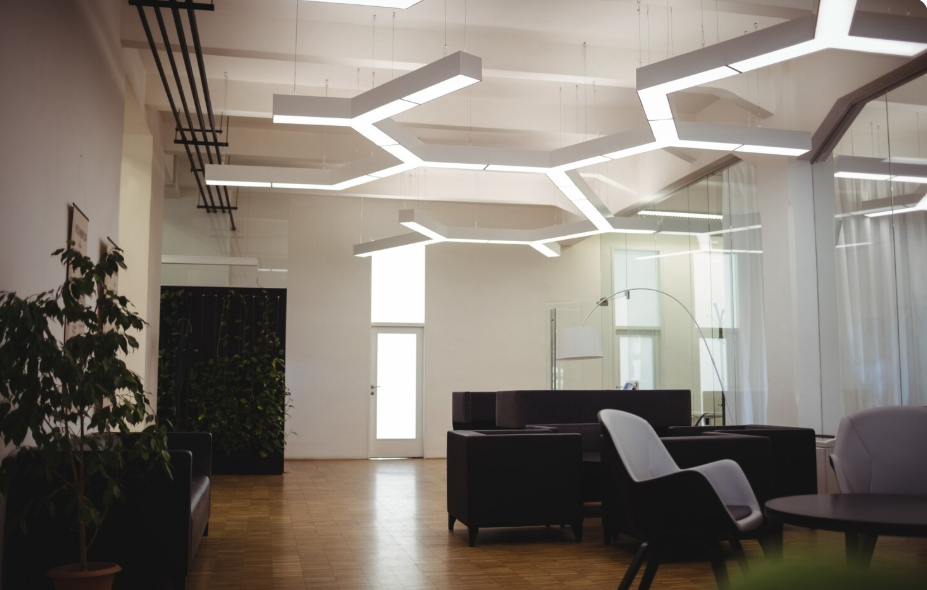
Natural light can transform a home, but when it’s not possible to add more conventional windows, rooflights can be a great solution. Ideal for adding light to kitchens, hallways, extensions, bathrooms, loft conversions, living rooms, rooflights are available in a range of modern styles to complement the decor of any home. Carefully positioned and installed, roof lights can transform the look and feel of a home interior, bringing in much needed natural illumination.
What are roof lights?
Rooflights are glazed openings into a roof to allow natural daylight to enter a building from above.
Available in a range of styles, including:
Flat roof lights
Skylights
Roof windows
Fixed roof glazing
Opening roof lights
Tubular daylight systems
each with their own particular benefits, roof lights can be a great way of adding much needed natural light to a home. However, the most suitable style will depend on a number of factors including the room itself, the building structure and whether or not ventilation is required.
The benefits of roof lights for the home
Most notably, roof lights can be a great way of introducing much needed natural light into the home, transforming a dull and gloomy room into a bright and airy space.
Other potential benefits include:
Bringing light into the home
Creating the illusion of a larger space
Providing a welcome alternative to electric lighting
Bringing a touch of architecture and style
Enhancing the view from inside the home
Creating natural ventilation with an opening roof
The combination of a roof light and good interior design can transform a home.
What styles of roof light are available?
There are a number of different roof light styles available, each offering a slightly different set of benefits.
Fixed roof lights
Designed simply to provide an additional source of natural light, fixed roof lights cannot be opened for ventilation.
Opening roof lights
Offering the benefits of natural light and ventilation, opening roof lights can be manually or electrically operated.
Flat roof lights
Flat roof lights are ideal for use on extensions, garages, kitchens, and contemporary additions to the home, offering a clean, modern aesthetic.
Tubular roof lights
For smaller and enclosed spaces, tubular roof lights can be a great solution to introduce natural light.
Where should roof lights be installed?
The most beneficial location for roof lights will depend on the individual property and how it is used, but kitchens are often a particularly good candidate for roof light installation due to the additional source of natural light.
Roof lights can also be installed in:
Hallways
Staircases
Bathrooms
Office spaces
Dining rooms
Living rooms
Loft conversions
Home extensions
Careful consideration should be given to the internal furnishing and fittings, as well as the structure of the roof and the likely angle of sunlight in the proposed installation location. A roof light is unlikely to be a good fit in a building with minimal natural light, such as a basement.
Roof lights and interior design
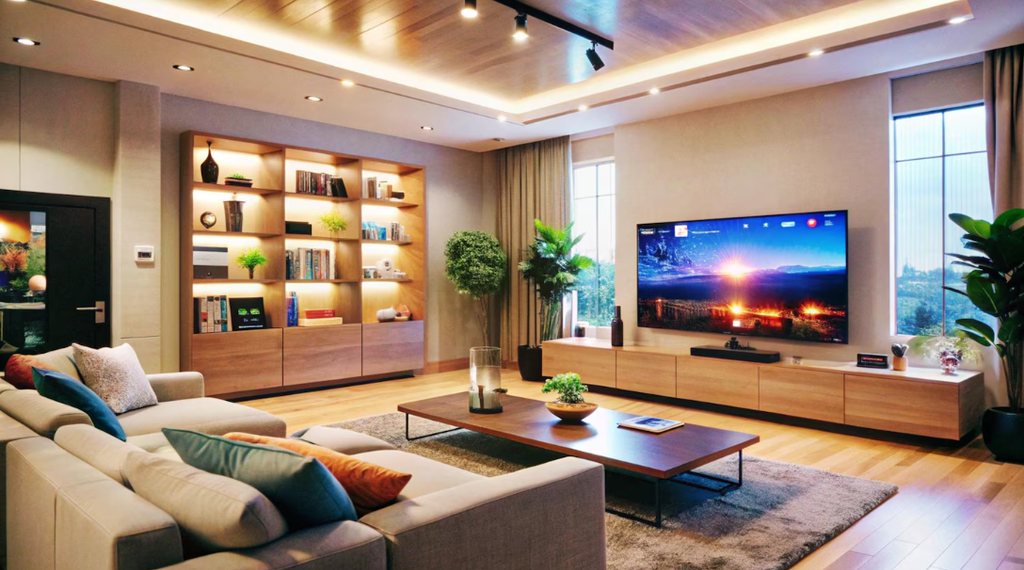
Not only are roof lights a source of natural illumination, but they also have the potential to be a dramatic design feature within a room.
Daylight streaming in from a roof light can create interesting lighting effects within the room, depending on the time of day.
With minimalist interiors benefitting greatly from the clean lines of a contemporary roof light, and traditional properties able to use more traditional styled roof windows, the choice of roof light can be an important part of any interior design scheme.
Consideration should be given to how the proposed roof light will complement the overall design in terms of walls, flooring, furniture and lighting.
Ventilation benefits of opening roof lights
Natural ventilation can be a great benefit, and opening roof lights can provide an alternative to extractor fans or air conditioning.
Warm air rises, meaning that installing an opening roof light can be a great way of encouraging the circulation of warm air out of a room.
Opening roof lights can be particularly beneficial in:
Kitchens
Bathrooms
Upper floor rooms
Loft spaces
Conservatories and extensions
However, the particular requirements of the property should be considered in order to determine if an opening roof light would be a beneficial addition.
Thermal performance and efficiency
When considering the installation of a roof light, it is important to look beyond aesthetics. Factors such as glazing, frames, internal and external insulation, and correct installation will all affect the thermal performance of the roof light and its impact on the overall energy efficiency of the home.
A poorly planned or installed roof opening could lead to issues with condensation and unwanted heat loss or gain.
Careful consideration should be given to the likely solar gain of the proposed roof light installation, particularly if the room is likely to be exposed to direct sunlight for long periods of the day. Solar gain can be controlled or reduced using blinds, shades or solar glass depending on the requirements of the room.
Maintenance and cleaning
As roof lights are exposed to the elements, any potential maintenance or cleaning requirements should be considered prior to installation.
Dust, leaves, rainwater marks and other debris can all build up on roof glazing, potentially impacting on the appearance of the roof light.
Consider a roof light design that allows for easy access and inspection, and opt for products that have been specifically designed with ease of maintenance in mind.
Periodic inspection and cleaning of the roof light seals and frame is recommended to prevent any issues caused by exposure to the elements.
Installation considerations
The process of roof light installation involves much more than simply cutting an opening in the roof for the new glazing.
A reputable professional installers will be able to advise on the most suitable fixings, insulation, waterproofing and roofing materials, and the impact on the overall structure of the home.
Correct installation is critical to preventing issues such as water ingress, damp, heat loss, and damage to the roof structure.
Building regulations or other local requirements may need to be taken into account when selecting a roof light and should be discussed with professional installers.
What factors should be considered when selecting a roof light?
Prior to selecting a roof light, it is important to consider the primary purpose of the proposed installation. If natural light is the main priority, a fixed roof light may be a better option than an opening model which offers ventilation benefits in addition to natural light.
Careful consideration should be given to:
1. The size of the room: Larger rooms may benefit from more than one roof light
2. The roof structure: Particular consideration may be required for tiled or other traditional roof styles
3. The glazing: Particular requirements may apply depending on the thermal performance of the proposed location
4. Operation: Consider if an opening roof light is required to allow for natural ventilation
5. Maintenance: A roof light that is easy to access and inspect should be selected if regular maintenance is required
6. Aesthetic: Select a roof light with a frame and style that will complement the overall design of the property
7. Installation: Engage a qualified professional to ensure a secure and watertight installation
Conclusion
Roof lights can transform the look and feel of a home, bringing natural light into otherwise dark and gloomy rooms, and providing an alternative to artificial lighting. From tubular roof lights for small enclosed spaces, to flat rooflights for contemporary additions and larger skylights for traditional properties, there is a roof light suitable for any project. The benefits of natural light brought by roof lights can enhance any interior design scheme, however, careful consideration should be given to the visual impact as well as the functional benefits of natural illumination. By balancing the requirements of natural light, ventilation and insulation, and engaging professional installers, a roof light can be a great way of transforming a home, improving a living space and adding a unique architectural feature to any property.
